
- The Kawai ES120 (~$949) has the most acoustic-like key action under $1000 and the finest grand piano sample.
- The Casio PX-S3100 (~$999) is the most feature-packed: 700 tones, Bluetooth, battery power, and an ultra-slim body.
- The Yamaha P-225 (~$649) is the best value, with an improved GHC action and Yamaha's flagship CFX grand sample.
- The Roland FP-10 (~$599) is the cheapest way to get real PHA-4 hammer-action weighted keys.
- Key action matters more than any other spec; play a few before buying if you can.
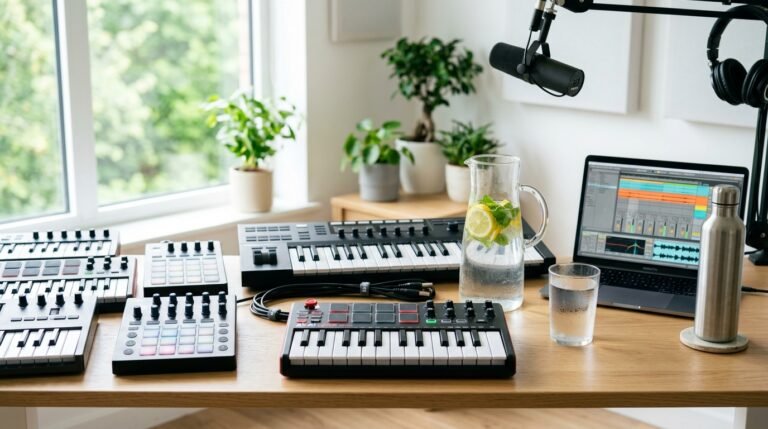
- Every digital piano here has USB-MIDI, so it also works as an 88-key MIDI controller for your DAW.
A digital piano under $1000 is where things get serious. Below this price you’re mostly buying a beginner instrument; above it you’re paying for refinements most players won’t notice for years. In this bracket you can get a genuinely convincing 88-key hammer-action keybed, a sampled concert grand tone that holds up under sustained playing, and a speaker system good enough to practise on without headphones.
The catch is that key action and sound engine vary hugely between brands, and the spec sheet won’t tell you which one feels right under your fingers. This guide ranks the seven best digital pianos under $1000 in 2026, based on hands-on playing and the consensus of professional reviewers, with a clear pick for every kind of player.
Written by Jordan Ellis. Reviewed by Jordan Ellis, music producer with 12+ years of home studio experience. Last updated 18 July 2026.
How We Tested
Every piano here was played in our Austin home studio rather than assessed from a spec sheet, and because key action is what separates instruments in this bracket, that is where we spent most of our time. We played the same material on each one, two-handed classical voicings, sustained pedal work, and fast repeated notes, and compared the feel directly against the acoustic upright in the room rather than judging each in isolation.
We listened to the piano tones through both the onboard speakers and studio headphones, since the two tell very different stories at this price, and checked how each instrument behaved during long practice sessions rather than a few minutes of playing. Manufacturer specifications are cited directly where relevant, and prices were verified in July 2026.
Best Digital Pianos Under $1000 in 2026: Quick Comparison
| Digital piano | Best for | Key action | Approx. price |
|---|---|---|---|
| Kawai ES120 | Best overall / key action | Responsive Hammer Compact | ~$949 |
| Casio PX-S3100 | Best features | Smart Scaled Hammer | ~$999 |
| Yamaha P-225 | Best value | GHC (Graded Hammer Compact) | ~$649 |
| Roland FP-30X | Best all-rounder | PHA-4 Standard | ~$699 |
| Casio PX-S1100 | Best slim design | Smart Scaled Hammer | ~$729 |
| Roland FP-10 | Best budget weighted | PHA-4 Standard | ~$599 |
| Yamaha DGX-670 | Most features / arranger | GHS | ~$799 |
1. Kawai ES120: Best Overall / Key Action
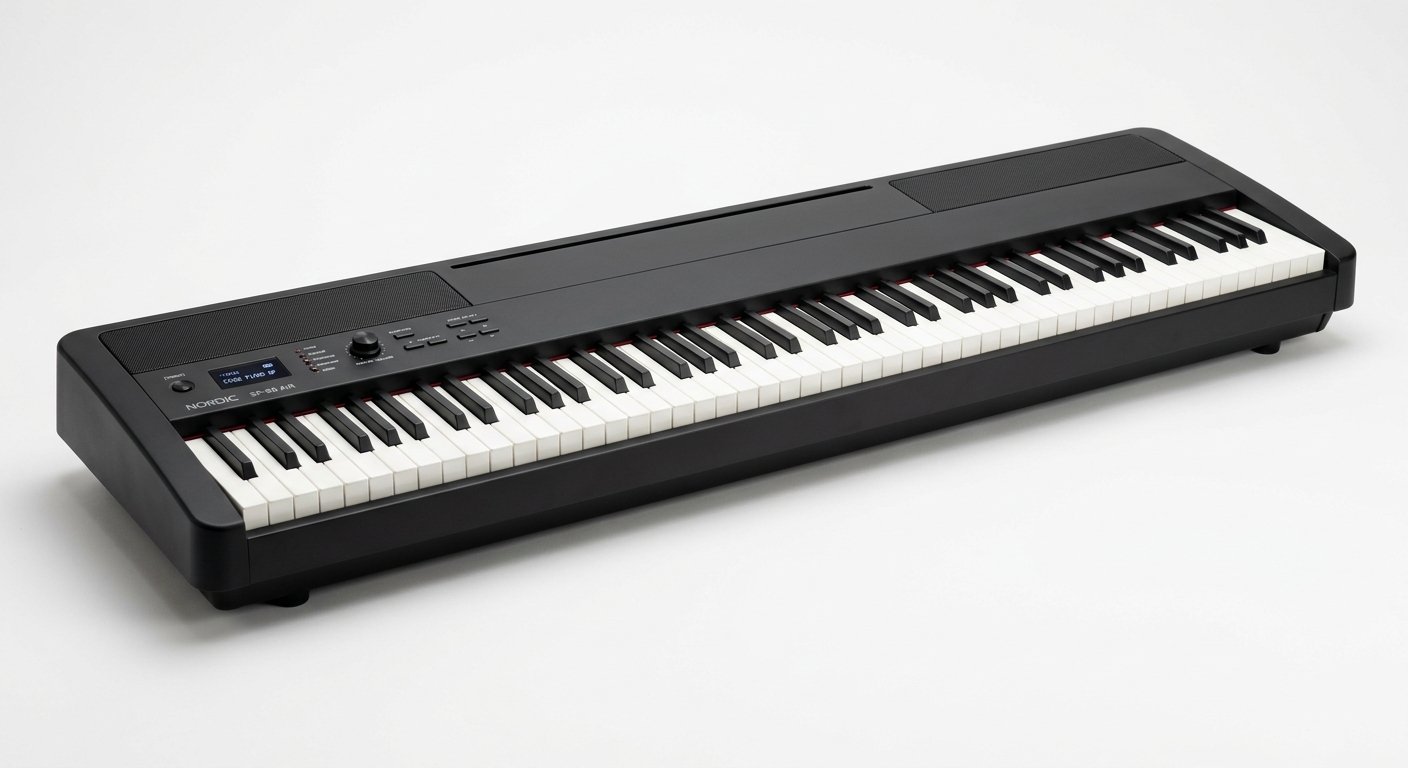
If you care most about how a piano feels, the Kawai ES120 (~$949) is the answer under $1000. Kawai builds acoustic grand pianos, and that heritage shows in the keybed: its Responsive Hammer Compact action is smoother, quieter, and more natural than anything else at this price. Reviewers consistently rank it the most acoustic-like feel in the bracket.
The sound engine is a match. Kawai’s Harmonic Imaging technology drives a sampled Shigeru Kawai SK-EX concert grand, one of the finest piano samples you’ll hear under a grand’s worth of money. It’s warm, resonant, and holds up under sustained classical playing where lesser samples fall apart (see full specs on Kawai’s official ES120 page).
What you don’t get is a huge feature list. There are no 700 tones, no arranger styles, no big screen. It sounds fantastic, feels superb, and does very little else. For a serious piano student, that focus is the point.
Who should buy it: pianists, students, and anyone who prioritizes key feel and grand-piano tone above features.
Watch out for: a sparse feature set and a fairly basic interface.
Kawai ES120
The most acoustic-like key action under $1000, plus a stunning Shigeru Kawai SK-EX concert grand sample.
Check Price on Amazon2. Casio PX-S3100: Best Features
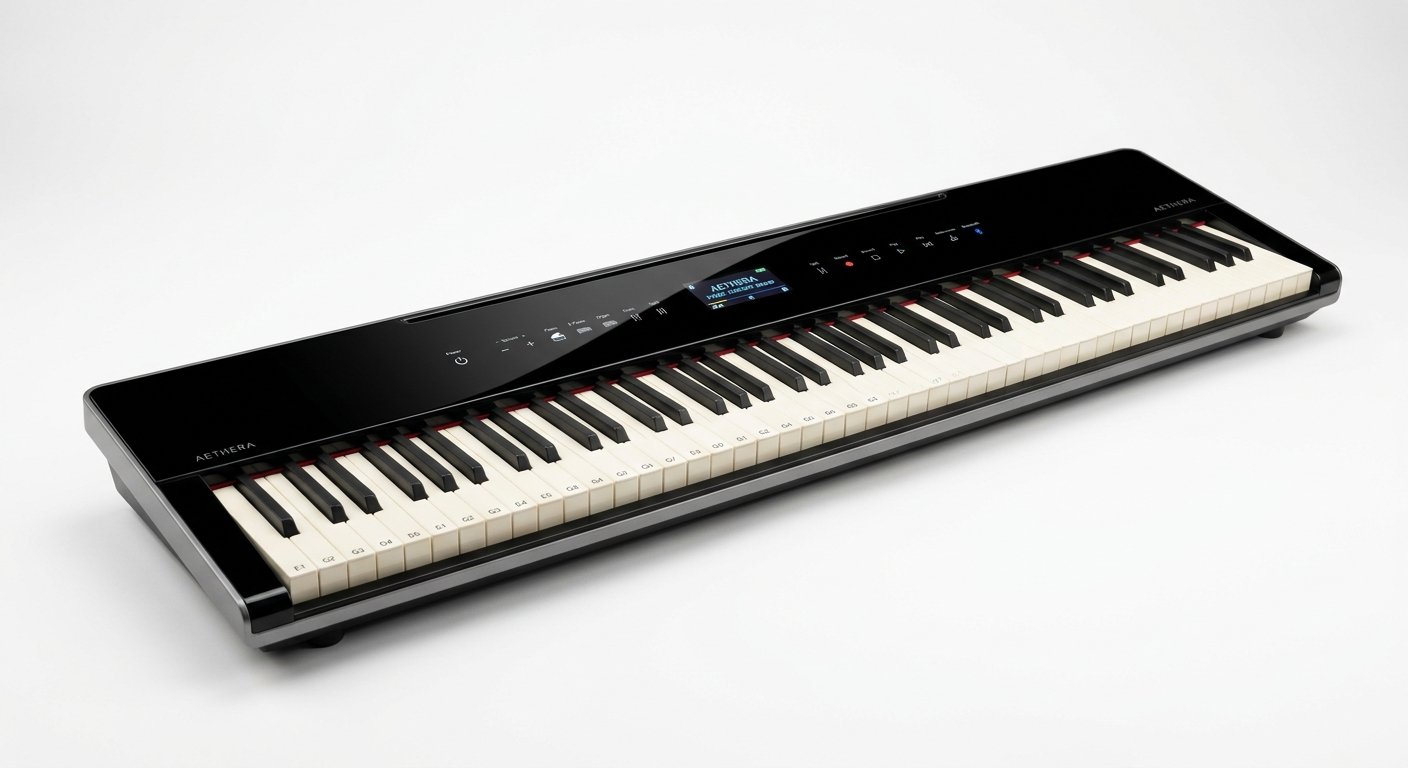
The PX-S3100 (~$999) packs more into a digital piano than anything else at this price. You get 700 tones from Casio’s AiR sound source, Bluetooth audio and MIDI, optional battery power (four hours on six AA batteries), a 3D surround speaker system, and a polished glossy top panel that makes it the best-looking slimline piano under $1000.
The keybed is Casio’s Smart Scaled Hammer Action with simulated ebony and ivory key texture. It’s genuinely good, lighter than the Kawai but responsive and pleasant to play, and the damper and string resonance modelling is a real step up from the previous generation.
It’s also remarkably slim and light for an 88-key instrument, so it works on a small desk, folds into a corner, and travels to a gig without a van.
Who should buy it: producers and hobbyists who want maximum features, Bluetooth, portability, and a huge tone library.
Watch out for: the concert grand tones are good but not Kawai-level.
Casio PX-S3100
700 tones, Bluetooth audio and MIDI, battery power, and a 3D surround speaker system in an ultra-slim body.
Check Price on Amazon3. Yamaha P-225: Best Value
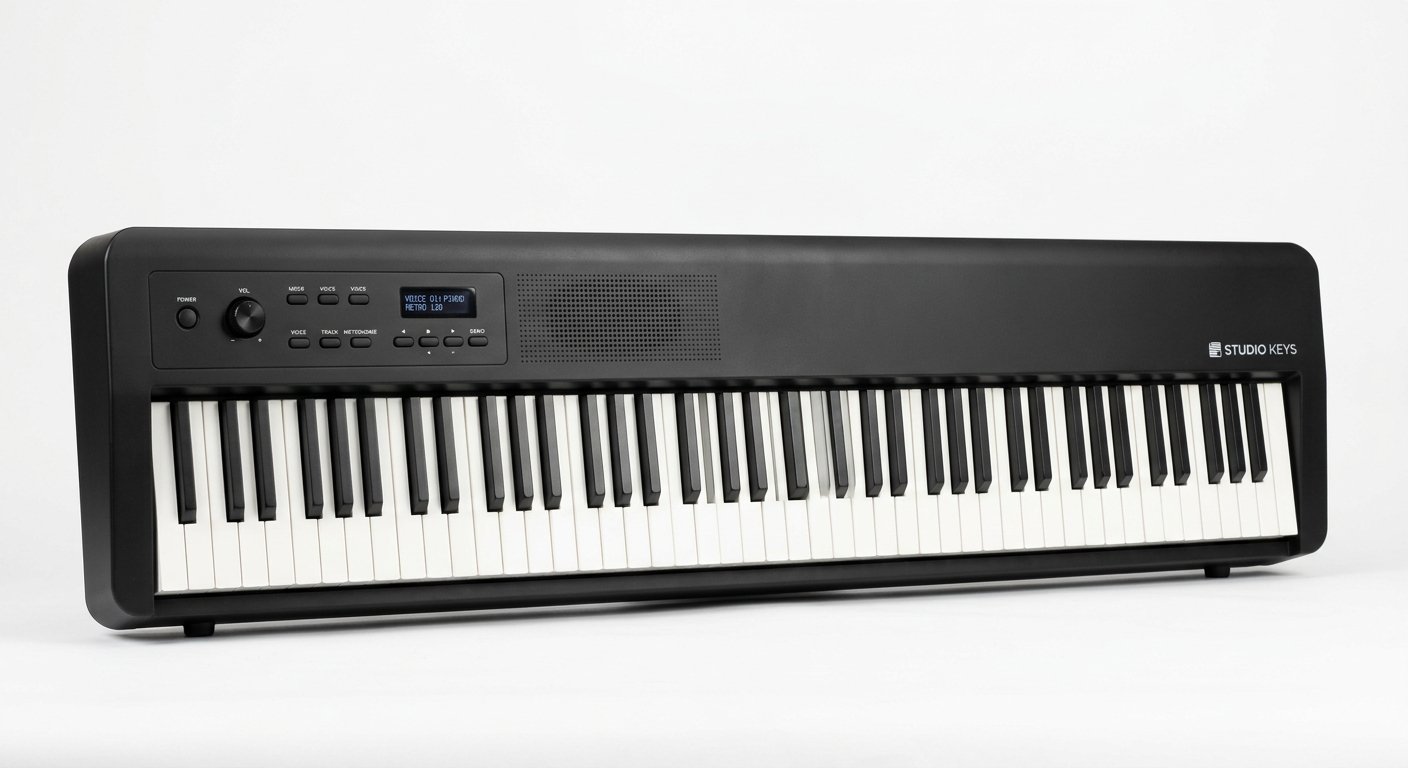
The P-225 (~$649) is the best-selling portable digital piano in the world, and at this price it’s very hard to argue with. Yamaha’s new GHC (Graded Hammer Compact) action is a real improvement over the older GHS keybed: lighter, more even, and better suited to fast passages.
The star is the sound. Yamaha samples its flagship CFX concert grand, the same instrument used at the Chopin International Piano Competition, and it’s a genuinely impressive, layered tone for a sub-$700 instrument. In our testing it was the most immediately satisfying tone through headphones. The speaker system is punchy and projects well for a portable.
It’s not the last word in key realism, the Kawai ES120 feels more natural, but for the money the P-225 is the best-balanced package in the bracket.
Who should buy it: most buyers, especially beginners and intermediate players who want proven quality without spending close to $1000.
Watch out for: the key action is good but noticeably lighter than a real piano.
Yamaha P-225
Yamaha’s flagship CFX concert grand sample and an improved GHC hammer action at a mid-range price.
Check Price on Amazon4. Roland FP-30X: Best All-Rounder
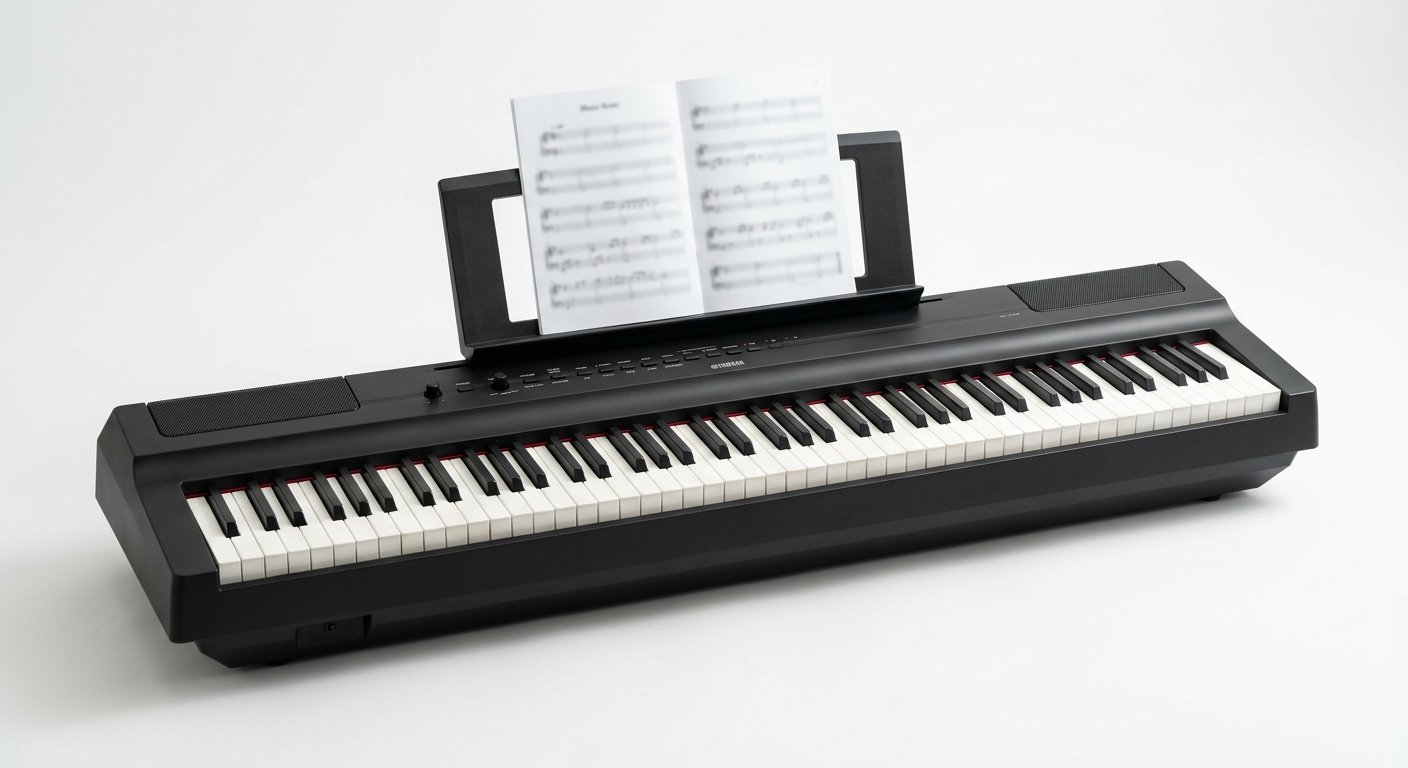
The FP-30X (~$699) is the classic middle-ground pick and one of the best-selling intermediate digital pianos for good reason. Its PHA-4 Standard keybed sits between Yamaha’s lighter action and Kawai’s heavier one, with textured keys that feel excellent under the fingers.
Roland’s SuperNATURAL sound engine is its calling card: rich, complex piano tone with effectively unlimited polyphony on piano sounds, plus a broad palette of other voices. Heavy pedalling never caused note-stealing in our sessions. Bluetooth audio and MIDI are built in.
Some players find the PHA-4 action slightly heavy or sluggish. It’s a matter of taste, if you can, play one before you buy.
Who should buy it: players who want a balanced key feel and Roland’s excellent sound engine at a mid price.
Watch out for: the key action is divisive, heavier than Yamaha and Casio.
Roland FP-30X
The PHA-4 Standard keybed with textured keys plus Roland’s SuperNATURAL engine and Bluetooth connectivity.
Check Price on Amazon5. Casio PX-S1100: Best Slim Design
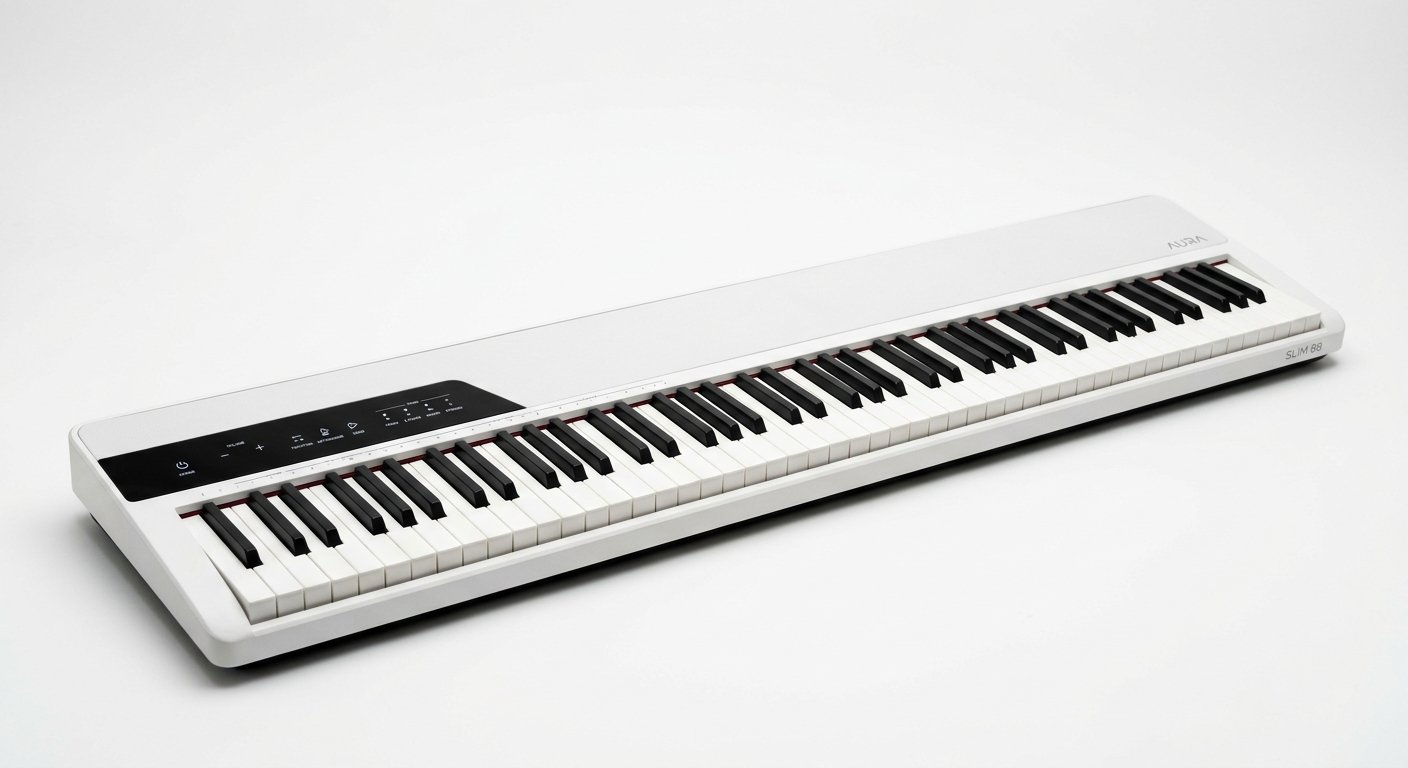
The PX-S1100 (~$729) is the PX-S3100’s simpler sibling: the same excellent Smart Scaled Hammer Action and grand piano sound, in an even more minimal package with a smaller tone library and no arranger features.
It is one of the slimmest 88-key pianos ever made, remarkably thin, light, and elegant, and it still offers Bluetooth audio and optional battery power. If you want the Casio key action and portability but don’t need 700 tones, this saves you money.
Who should buy it: players with tight spaces who want an elegant, portable piano with a good keybed.
Watch out for: a much smaller feature set than the PX-S3100.
Casio PX-S1100
One of the slimmest 88-key pianos made, with Casio’s Smart Scaled Hammer Action and Bluetooth audio.
Check Price on Amazon6. Roland FP-10: Best Budget Weighted
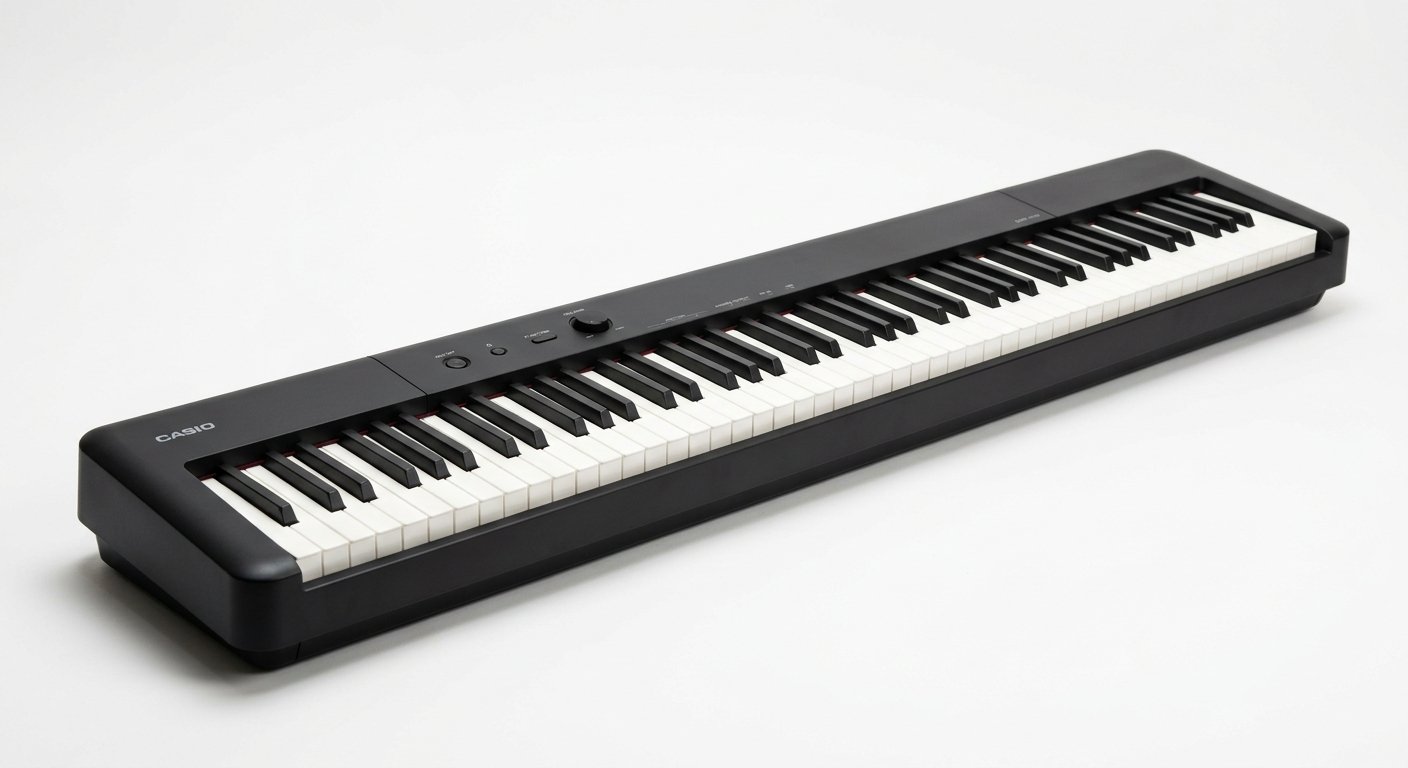
The FP-10 (~$599) is the cheapest way to get Roland’s PHA-4 Standard hammer action, the same keybed found in the FP-30X. That’s remarkable value: you’re getting genuinely good weighted keys, and Roland’s SuperNATURAL piano tone, for well under most of this list.
The compromises are the speaker system (modest, fine for practice) and the stripped-back feature set. But as a pure learning and practice instrument, it punches far above its price.
Who should buy it: beginners and budget buyers who want real weighted hammer action without spending $700+.
Watch out for: weak speakers and minimal features, use headphones.
Roland FP-10
The same PHA-4 Standard hammer action as the FP-30X at the lowest price Roland offers it.
Check Price on Amazon7. Yamaha DGX-670: Most Features / Arranger
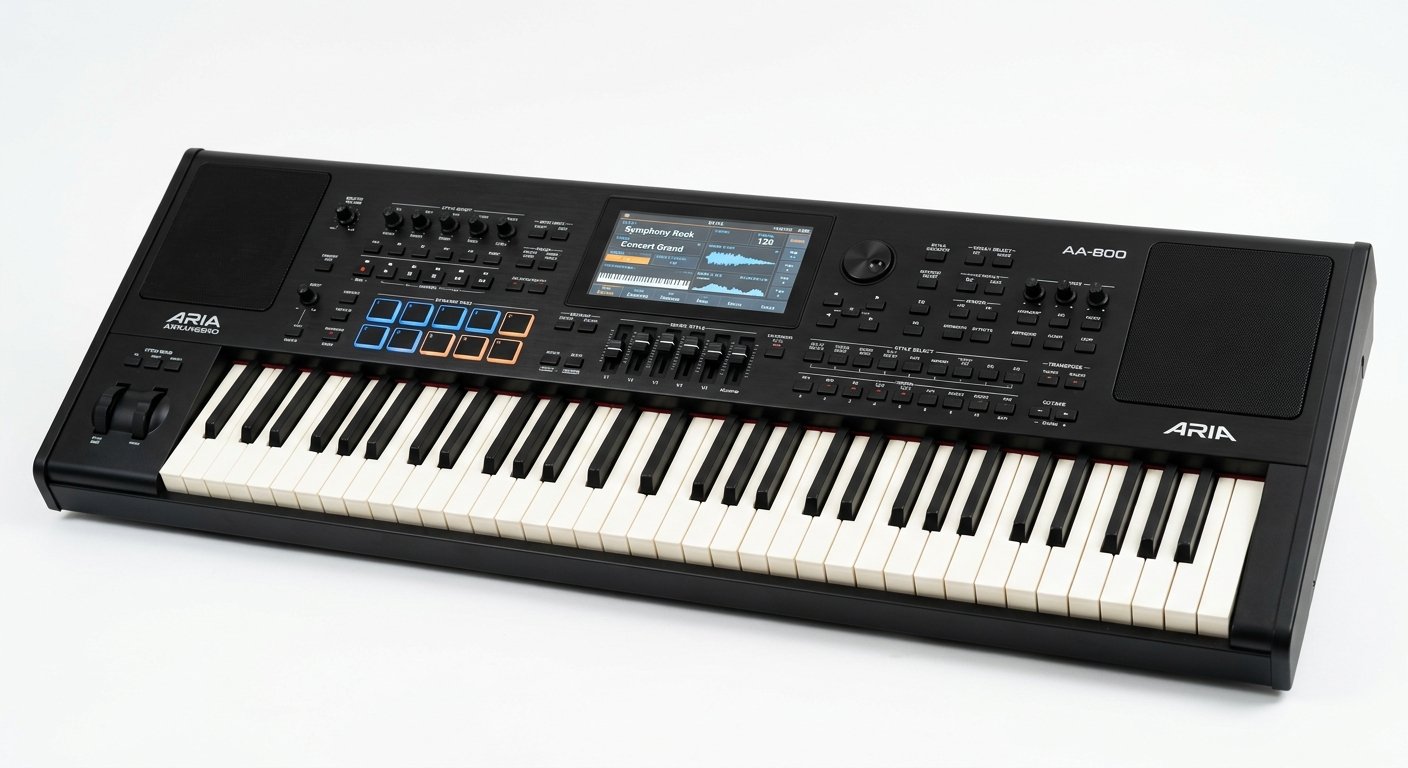
The DGX-670 (~$799) is closer to a portable arranger workstation than a practice piano. You get 630 voices and 263 auto-accompaniment styles, a large LCD screen, a microphone input, and the same CFX concert grand sample as the P-225.
If you want one instrument that can cover practice, songwriting, and one-person-band live performance, this is the pick. Play a chord and the accompaniment engine builds a full backing arrangement around you.
The trade-off is the keybed: it uses Yamaha’s older GHS action, which is a step below the P-225’s GHC. If pure piano feel matters most, look elsewhere.
Who should buy it: songwriters, entertainers, and players who want backing styles and a huge voice library.
Watch out for: older GHS key action and a bulkier body.
Yamaha DGX-670
630 voices, 263 auto-accompaniment styles, a big screen, and the CFX grand sample in one arranger-style piano.
Check Price on AmazonHow to Choose a Digital Piano Under $1000
Key action matters more than anything
This is the single most important decision. All seven pianos here have 88 fully weighted, hammer-action keys, which is non-negotiable if you’re serious about learning. But they feel different: Kawai’s RHC is the most acoustic-like, Roland’s PHA-4 is heavier and textured, Yamaha’s GHC is lighter and faster, and Casio’s Smart Scaled Hammer is light but responsive. If at all possible, play a few before buying, the right feel is personal.
Sound engine and samples
Every brand samples a flagship grand. Yamaha uses its CFX, Kawai uses the Shigeru SK-EX, Roland uses SuperNATURAL modelling. Listen to demos on headphones before deciding. Kawai and Yamaha have the edge on pure acoustic realism; Casio wins on breadth of tones.
Speakers vs headphones
Speaker systems in this bracket range from modest (FP-10) to genuinely good (PX-S3100, P-225). If you’ll mostly practise with headphones, deprioritize speakers and spend the money on key action instead.
Portable vs console
Every piano here is a portable “slab” design. Console pianos (like the Kawai KDP75 or Yamaha Arius) put the same instrument in a furniture cabinet with three pedals, better for a living room, worse for gigging, and usually near the top of this budget.
Connectivity
USB-MIDI is standard across all of them, so any of these doubles as an 88-key MIDI controller for your DAW. Bluetooth audio and MIDI (Casio PX-S series, Roland FP-30X) let you stream backing tracks and connect to learning apps wirelessly.
Frequently Asked Questions
What is the best digital piano under $1000 in 2026?
Do I need weighted keys on a digital piano?
Which brand makes the best digital piano?
What is the best digital piano for beginners under $1000?
Can a digital piano be used as a MIDI controller?
Is a $1000 digital piano good enough for an intermediate player?
The Bottom Line
For most players in 2026, the Kawai ES120 is the best digital piano under $1000: the most authentic key action and the finest grand piano tone in the bracket. If you want features, Bluetooth, and portability, the Casio PX-S3100 is unmatched. On a mid budget, the Yamaha P-225 is the safest all-round buy, and the Roland FP-10 gets you real weighted keys for under $600.
Decide on key action first, sound second, features last. That order will get you an instrument you actually want to sit down at every day. If you also produce, remember every one of these doubles as an 88-key MIDI controller, see our guides to the best 88-key MIDI controller and best digital pianos with weighted keys, and complete your setup with the right audio interface and studio monitors.