
- The Rode NT1 5th Gen (~$249) is the best overall: 5dBA self-noise, detailed sound, and both XLR and USB-C output.
- The Shure SM7B (~$399) is the right choice for untreated rooms because dynamics reject background noise far better.
- Room condition matters more than budget: an expensive condenser in a bad room sounds worse than a good dynamic.
- The SM7B needs about 60dB of gain; the SM7dB solves this with a built-in active preamp.
- Condensers need +48V phantom power; dynamics do not.
- A pop filter and basic acoustic treatment improve vocals more than spending another $200 on the microphone.
The microphone is the foundation of every recording. Everything downstream, your preamp, interface, plugins, and mixing, only performs well if the mic captured a solid signal in the first place. You cannot fix a bad vocal take with plugins, but a good microphone in a modest room will beat an expensive mic in a bad one.
The decision that matters most is not brand or price, it is condenser versus dynamic, and that depends almost entirely on how noisy and untreated your room is. This guide ranks the seven best vocal microphones in 2026 across every budget, explains which type suits your space, and covers what else you need to actually get a clean take.
Compiled by the Shlohmo editorial team. Last updated 18 July 2026.
How We Choose
These picks are compiled from manufacturer specifications, published measurements, and the documented consensus of professional reviewers and working producers. We compare published polar patterns, transducer types, frequency response, self-noise figures and gain requirements directly against manufacturer documentation, and weigh them against how each microphone is discussed across established review outlets and production communities.
We do not conduct independent hands-on testing of every product listed. Where a specification matters to a buying decision, we cite the manufacturer’s own documentation so you can verify it yourself. Prices are approximate and change frequently, so check current listings before purchasing.
Best Microphones for Recording Vocals in 2026: Quick Comparison
| Microphone | Best for | Type | Approx. price |
|---|---|---|---|
| Rode NT1 5th Gen | Best overall | Condenser | ~$249 |
| Shure SM7B | Untreated rooms | Dynamic | ~$399 |
| Shure SM7dB | SM7B without a preamp | Dynamic (active) | ~$499 |
| Neumann TLM 102 | Best upgrade | Condenser | ~$799 |
| Audio-Technica AT2020 | Best budget | Condenser | ~$99 |
| Lewitt LCT 440 PURE | Best value pro | Condenser | ~$329 |
| Rode Procaster | Podcast and broadcast | Dynamic | ~$229 |
1. Rode NT1 5th Gen: Best Overall
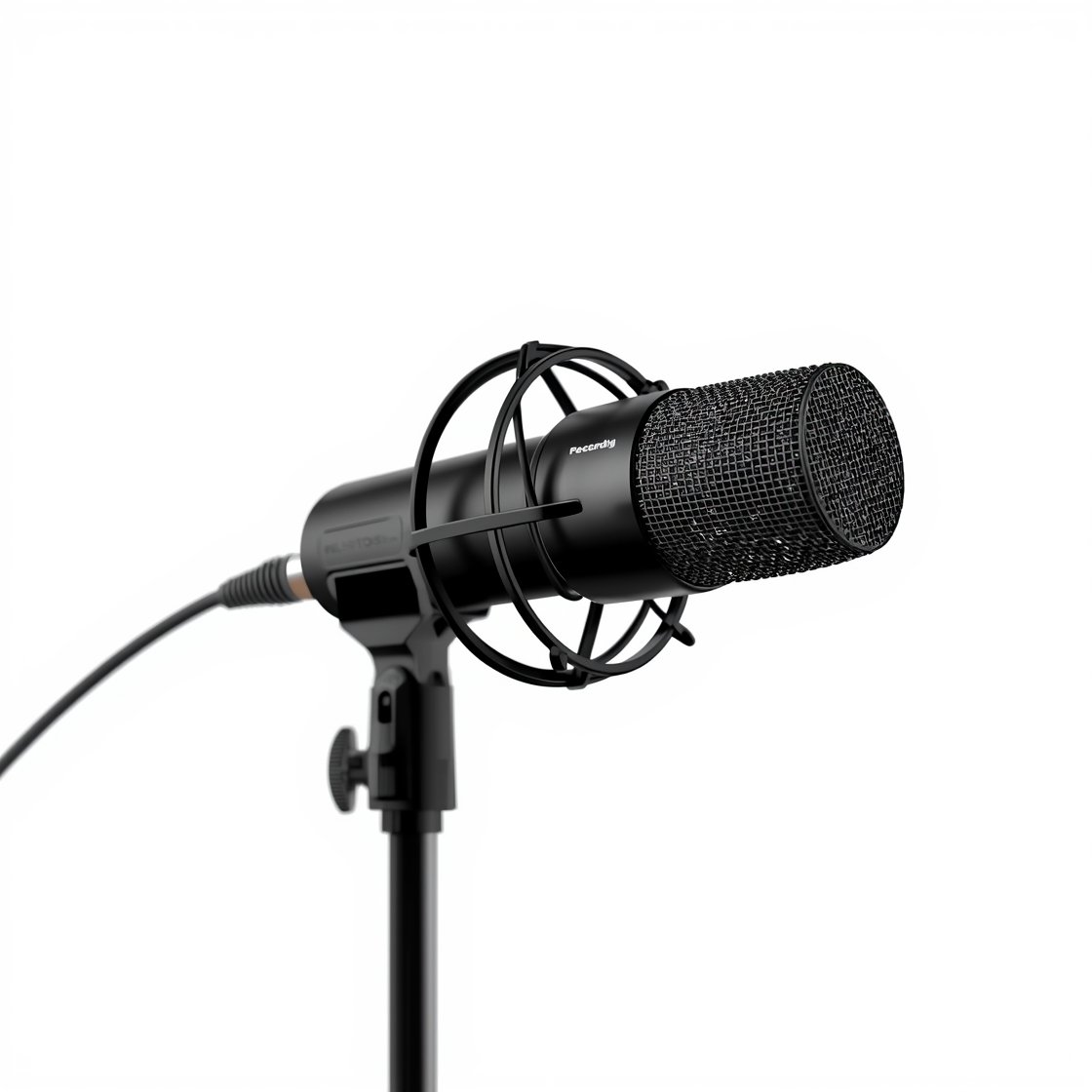
The Rode NT1 is the best-selling studio condenser in the home studio market, and the 5th generation (~$249) is the version to buy. Its headline spec is remarkable: a self-noise of just 5dBA, making it one of the quietest studio microphones in the world. Reviewers consistently note that this shows up exactly where you would expect, on quiet sustained notes and breath detail, where cheaper condensers add an audible hiss floor and the NT1 simply does not.
The 1-inch gold-sputtered capsule delivers a bright, detailed, authentic sound that flatters most voices, and it is equally good on acoustic guitar. The internal shock mount is widely praised for killing stand and handling noise, and the cardioid pattern rejects sound from behind, which helps in imperfect rooms.
The 5th Gen adds a genuinely useful trick: both XLR and USB-C output. Plug it into your audio interface at home, or straight into a laptop when travelling, without buying a second mic (full published specifications on Rode’s official NT1 page).
Who should buy it: most home producers and singers, the best balance of quality, versatility, and price.
Watch out for: as a sensitive condenser, it picks up room noise, so treat your space or use a dynamic instead.
Rode NT1 5th Gen
One of the world’s quietest studio condensers at 5dBA self-noise, with a detailed sound and both XLR and USB-C output.
Check Price on Amazon2. Shure SM7B: Best for Untreated Rooms
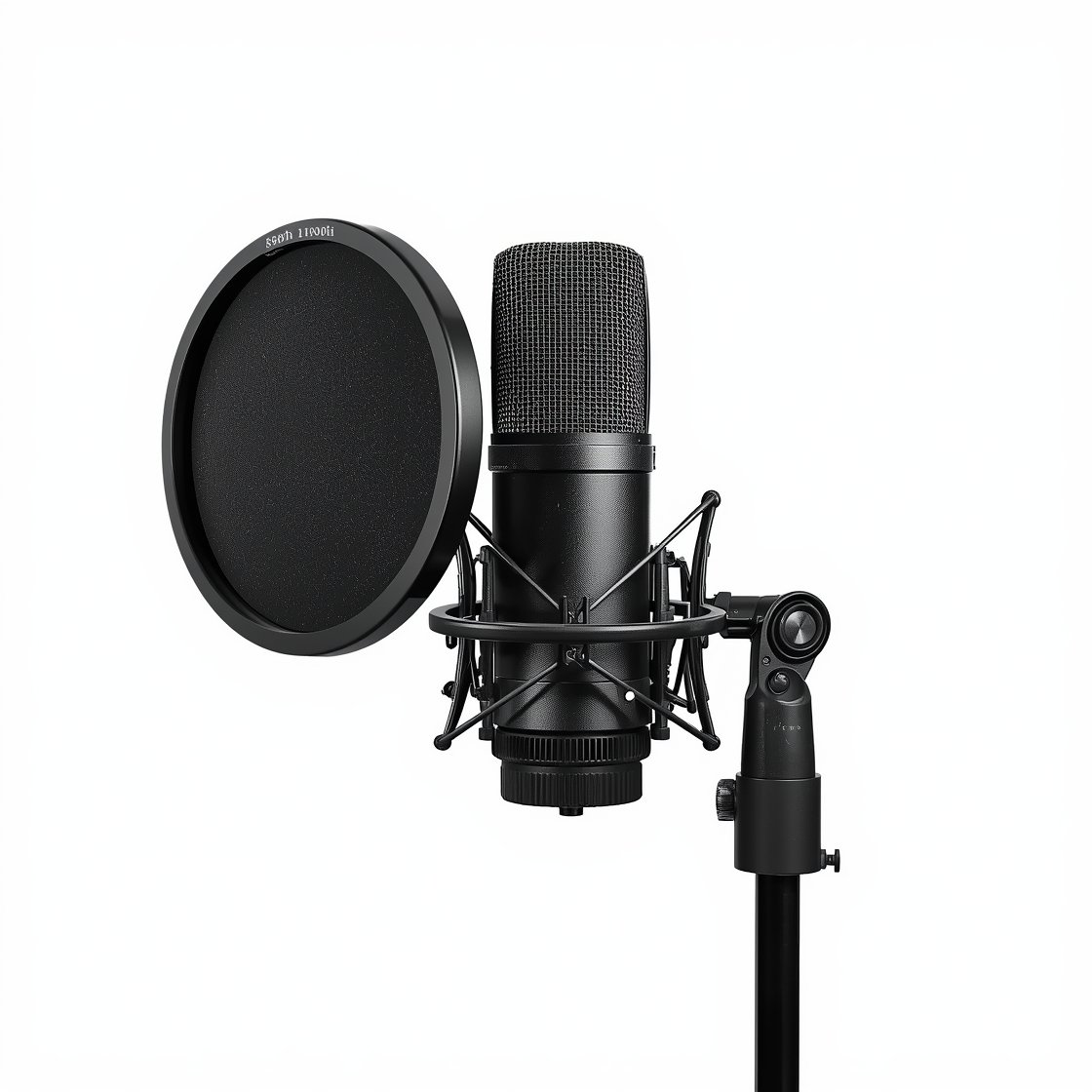
The SM7B (~$399) is the gold standard for home vocal recording, and the reason is not glamour, it is noise rejection. As a dynamic microphone it is far less sensitive than a condenser, so it hears your voice and ignores the computer fan, the traffic outside, and your untreated walls. Reviewers consistently report that with a noise source like a laptop fan a couple of feet away, the difference against a sensitive condenser such as the NT1 is stark: audible on the condenser, essentially absent on the SM7B.
That makes it the correct choice for a bedroom studio, where most home recordings actually happen. Its flat, wide-range frequency response preserves the natural character of a voice rather than hyping it, and it handles loud, powerful delivery without clipping.
The one catch is real: the SM7B needs a lot of gain, around 60dB, as Shure’s own published specification sheet confirms. Budget interfaces run out, leaving you with a quiet, hissy signal. Either pair it with a strong preamp, add a Cloudlifter, or buy the SM7dB below.
Who should buy it: anyone recording in an untreated room, plus podcasters and streamers.
Watch out for: needs high gain, budget your interface accordingly.
Shure SM7B
The gold standard for home vocals: superb background-noise rejection and a flat, natural response that never clips.
Check Price on Amazon3. Shure SM7dB: SM7B Without the Preamp Hassle
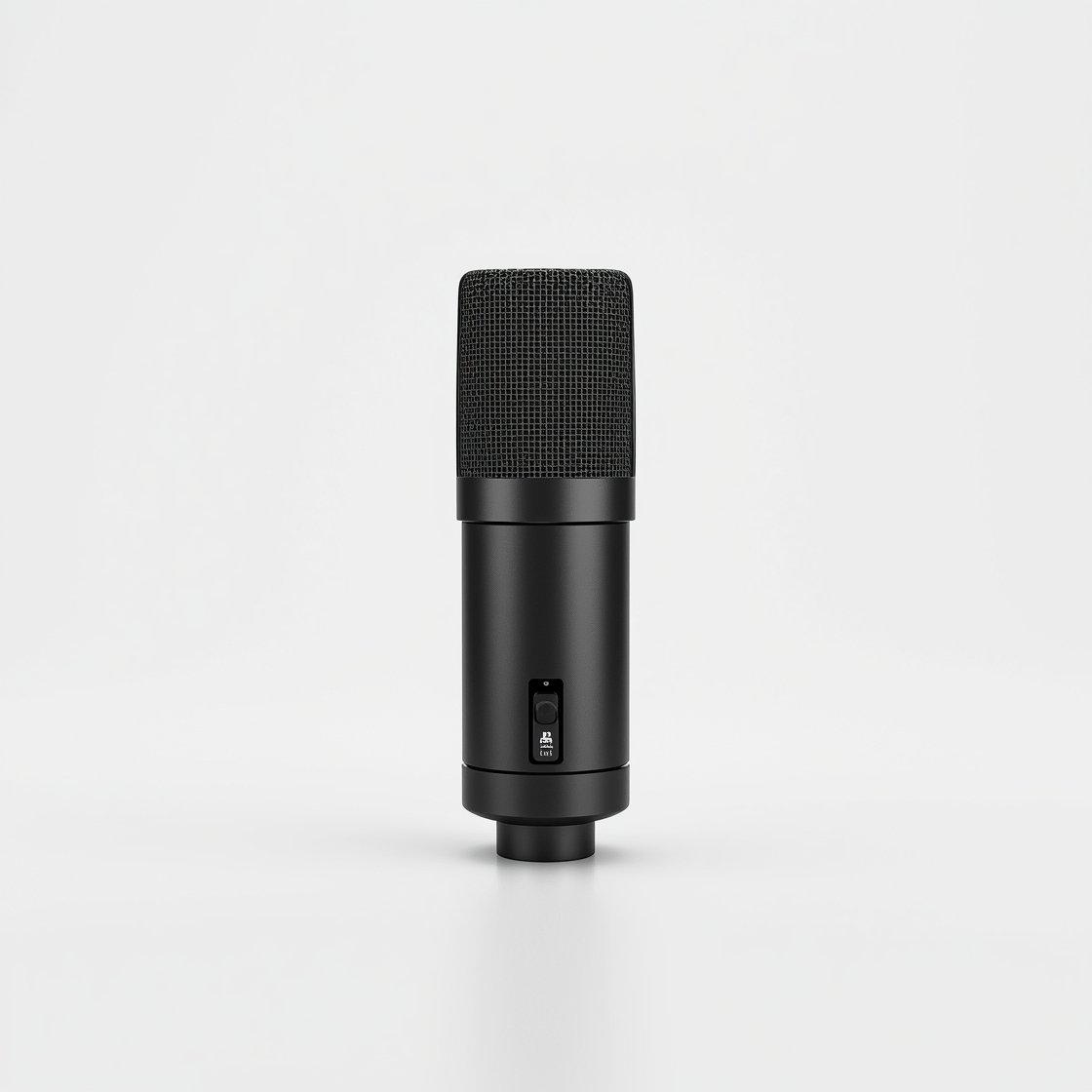
The SM7dB (~$499) solves the SM7B’s single weakness. It is the same microphone with a built-in active preamp, giving you up to 28dB of clean gain inside the mic itself.
That means it delivers a hot, clean signal straight into any interface, no Cloudlifter, no expensive preamp, no hiss because you cranked a budget preamp to maximum. Reviewers running it into interfaces like a Scarlett describe the difference as immediate: the passive SM7B needs the gain knob near maximum, while the SM7dB sits comfortably around two-thirds with a noticeably cleaner noise floor. You can switch the preamp off entirely and use it as a passive SM7B if you already have good gain.
If you want the SM7B sound and are running a Scarlett or similar interface, the extra $100 is cheaper and tidier than buying a Cloudlifter separately.
Who should buy it: SM7B fans using budget or mid-range interfaces who want it to just work.
Watch out for: pricier than the SM7B; unnecessary if your preamp already has 60dB+.
Shure SM7dB
The classic SM7B sound with up to 28dB of built-in clean gain: no Cloudlifter or expensive preamp required.
Check Price on Amazon4. Neumann TLM 102: Best Upgrade
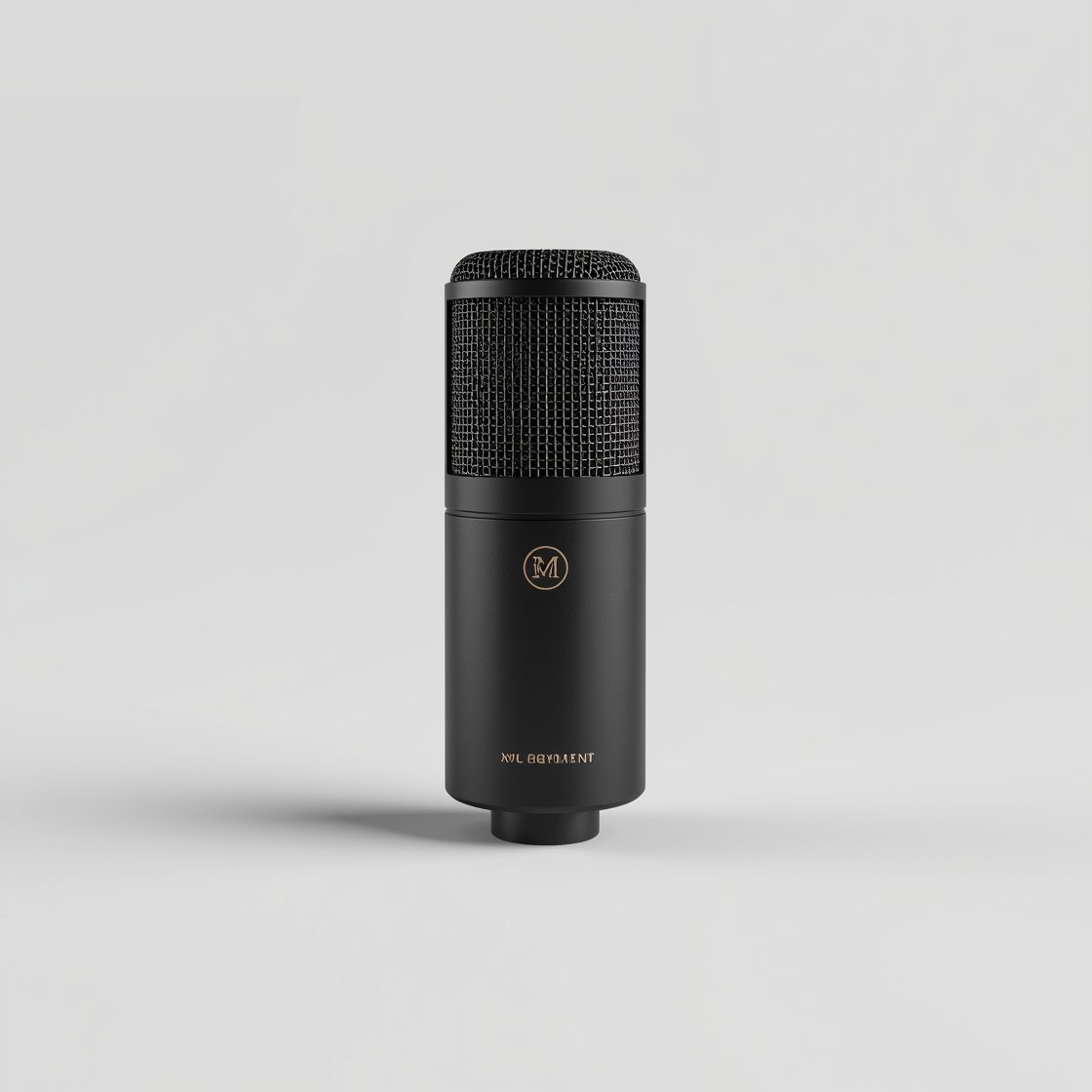
The TLM 102 (~$799) is the point where a home studio stops sounding like a home studio. Neumann is the name behind the U 87, the reference vocal mic against which every other is measured, and the TLM 102 brings that engineering into a compact, affordable body.
It is remarkably versatile: excellent on vocals, and equally good on acoustic guitar, guitar amps, and percussion. It handles high sound pressure levels, so nothing is off limits, and Neumann’s published frequency response shows the gentle presence boost above 6kHz that helps vocals sit forward in a mix without harshness. Reviewers frequently report that this translates into vocals needing noticeably less corrective EQ than anything else at this level.
This is the mic for the committed home studio owner upgrading from starter gear to proper professional equipment, a grown-up microphone for producers who know what “good” sounds like.
Who should buy it: serious home producers ready to invest in genuinely professional vocal capture.
Watch out for: expensive, and demands a reasonably treated room to be worth it.
Neumann TLM 102
Neumann engineering in a compact body: professional vocal capture that also excels on guitar and percussion.
Check Price on Amazon5. Audio-Technica AT2020: Best Budget
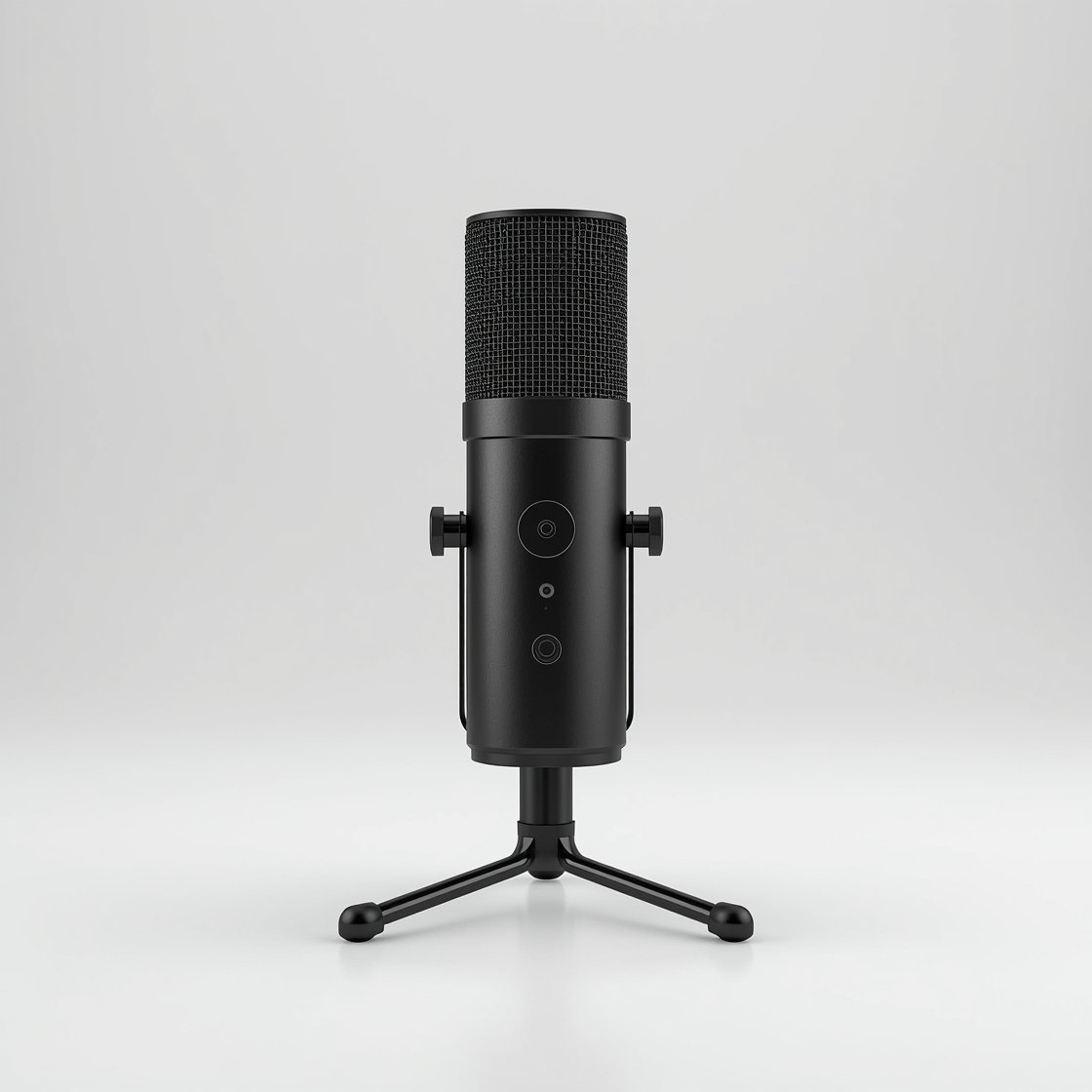
The AT2020 (~$99) has been the default first studio microphone for over a decade, and it still earns that position. For under $100 you get a genuine large-diaphragm condenser with a clean, honest sound and a solid metal build that survives real use (Audio-Technica’s official specifications list a 20Hz to 20kHz response and 144dB SPL handling).
It will not match the NT1’s whisper-quiet noise floor or the Neumann’s refinement, and reviewers consistently note that the difference in self-noise is clearly audible on quiet passages. But it captures vocals cleanly enough that the limiting factor becomes your room, not your microphone. That is exactly what a first mic should do.
Pair it with any decent interface and you have a complete, capable vocal chain for around $300.
Who should buy it: beginners recording their first vocals, and anyone on a tight budget.
Watch out for: higher self-noise than premium condensers; needs phantom power.
Audio-Technica AT2020
A genuine large-diaphragm condenser with a clean, honest sound for under $100: the classic first studio mic.
Check Price on Amazon6. Lewitt LCT 440 PURE: Best Value Pro Condenser
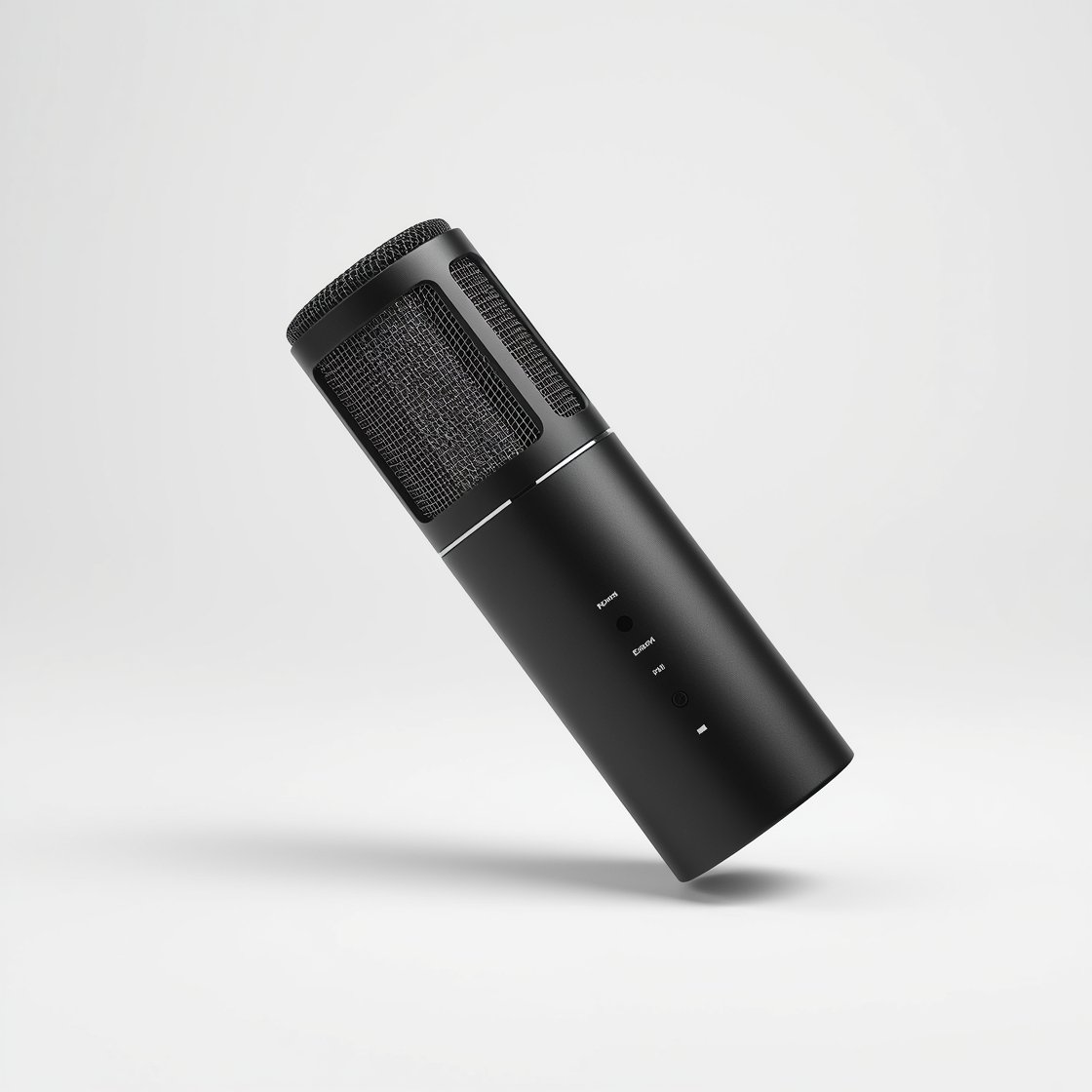
Lewitt has quietly become one of the most respected modern microphone makers, and the LCT 440 PURE (~$329) is the reason. It is deliberately stripped back, no pads, no filters, no switches, just one exceptionally well-executed cardioid capsule.
The result is excellent clarity with minimal coloration, meaning it captures your voice accurately rather than imposing a character on it. Lewitt publishes a self-noise figure of 7dBA, close to the NT1, and reviewers widely describe it as the mic that sounds most like the source rather than a flattering version of it, which is exactly what you want when you plan to shape the vocal later.
It sits neatly between the NT1 and the Neumann: more refined than the Rode, far cheaper than the TLM 102.
Who should buy it: producers who want accurate, uncoloured capture and a step up from entry condensers.
Watch out for: no pad or high-pass filter onboard; less brand recognition than Shure or Rode.
Lewitt LCT 440 PURE
One superb cardioid capsule with no gimmicks: exceptional clarity and minimal coloration at a mid price.
Check Price on Amazon7. Rode Procaster: Best for Podcast and Broadcast
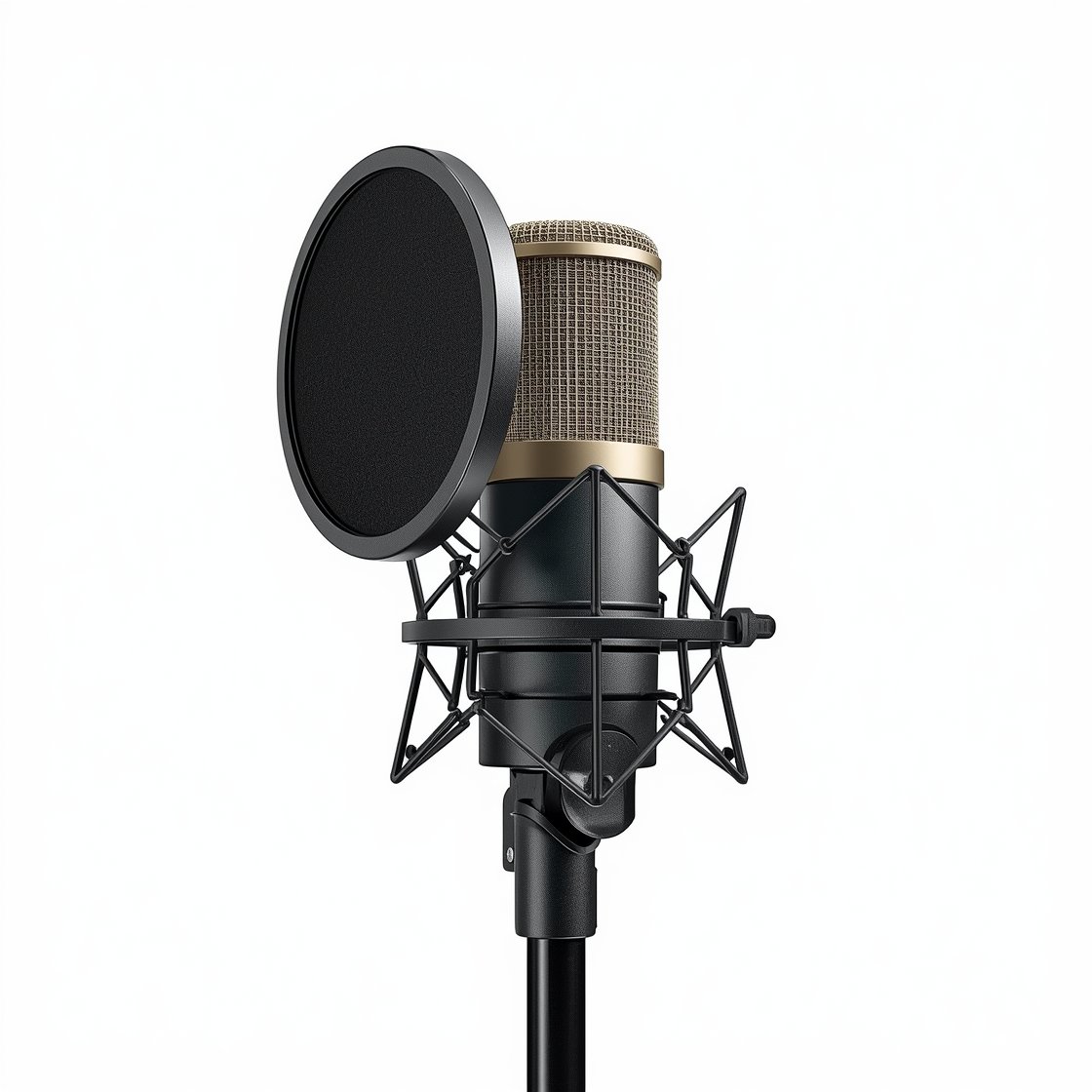
The Procaster (~$229) is the budget answer to the SM7B, and for spoken word it is remarkably close. It is a broadcast-grade dynamic with a presence peak similar to a U 87, robust all-metal construction, and a surprisingly transparent sound.
Like the SM7B, it rejects room noise well, making it ideal for untreated spaces. The internal pop filter handles plosives without an external screen, which reviewers report is genuinely effective at close range, and the heavy body resists handling noise.
It also needs healthy gain, though its published sensitivity is a little higher than the SM7B’s, so it asks slightly less of your preamp. For podcasting, voiceover, or vocals on a budget in a noisy room, it delivers broadcast quality at a fraction of the usual price.
Who should buy it: podcasters, voiceover artists, and budget vocalists in noisy rooms.
Watch out for: heavy, so it needs a sturdy boom arm; wants a decent preamp.
Rode Procaster
Broadcast-grade dynamic with a U 87-like presence peak and internal pop filter, at a fraction of the usual price.
Check Price on AmazonCondenser vs Dynamic: Which Should You Buy?
This is the decision that matters most, and it comes down to your room, not your budget.
Condenser microphones
Highly sensitive, capturing fine detail and the nuances of a performance. They are the studio standard because they hear everything, which is exactly the point in a treated room. They need phantom power (+48V) from your interface.
Choose a condenser if: your room is reasonably quiet and has some acoustic treatment, and you want maximum detail and air on your vocals. Picks: Rode NT1, Lewitt LCT 440, Neumann TLM 102, AT2020.
Dynamic microphones
Far less sensitive, so they capture the source in front of them and reject much of what is around it. Less detailed than a condenser, but that trade is worth it when the alternative is recording your air conditioner. They are also more durable and handle loud sources without clipping.
Choose a dynamic if: your room is untreated, noisy, or shared, or you record loud vocals. Picks: Shure SM7B, SM7dB, Rode Procaster.
The honest rule
An expensive condenser in a bad room sounds worse than a $400 dynamic in the same room. This is a point reviewers and working engineers make repeatedly, the condenser reveals the space, and the space is the problem. Be realistic about your space before you spend, most home recordings happen in bedrooms, and dynamics are underrated for exactly that reason.
What Else You Need for Clean Vocals
An audio interface with enough gain
Your mic needs a preamp. Condensers also need phantom power, which every proper interface supplies. If you buy an SM7B, check the gain spec carefully, you want 60dB or more, or you will be adding hiss. See our guide to the best audio interface under $200.
A pop filter and shock mount
A pop filter stops plosives (hard “p” and “b” sounds) from creating low-frequency thumps that are difficult to fix later. A shock mount isolates the mic from desk and stand vibration. Both are cheap and both meaningfully improve takes.
Basic room treatment
This matters more than upgrading your microphone. Even a duvet behind you, a rug on the floor, or recording in a wardrobe reduces the reflections that make home vocals sound boxy. Broadband absorption panels behind and beside the singer are the single best value upgrade in a vocal chain, and reviewers and engineers widely agree they change a recording more than any mic upgrade at this price level.
Closed-back headphones
You must monitor on closed-back headphones while recording, open-back models leak the backing track into your microphone. See our headphones guide for closed-back options that work for tracking.
Correct mic technique
Sing roughly 6 to 8 inches from the microphone, slightly off-axis to reduce plosives. Closer gives more bass through the proximity effect; further gives more room sound. Keep a consistent distance, that consistency matters more than the exact number.
Frequently Asked Questions
What is the best microphone for recording vocals in 2026?
Condenser or dynamic microphone for vocals?
Why does the Shure SM7B need so much gain?
Do I need phantom power for a vocal microphone?
Is an expensive microphone worth it for home recording?
How far should I be from the microphone when singing?
The Bottom Line
The Rode NT1 5th Gen is the best microphone for recording vocals for most home producers in 2026: whisper-quiet, detailed, and flexible with XLR and USB. If your room is untreated, and most are, the Shure SM7B is the smarter buy, or the SM7dB if you want it to work with any interface. Starting out? The AT2020 at ~$99 is all the microphone you need. Ready to invest? The Neumann TLM 102 is the upgrade.
Decide condenser or dynamic based on your room first, then budget. And remember that a pop filter and a few absorption panels will improve your vocals more than spending another $200 on the mic itself.
Next, pair it with the right audio interface, monitor on studio monitors, and see our complete home studio setup guide.
Related reading: For a spoken-word setup, compare these microphones for podcasting and choose a wireless microphone system when mobility matters.