
- The Sennheiser HD 25 (~$149) is the decades-long booth standard: light, loud, indestructible, with fully replaceable parts.
- DJ headphones must be closed-back, loud, and low impedance (around 32 ohms) to cut through a club system.
- A swiveling cup or split headband is essential for single-ear cueing, which is how DJs beatmatch.
- Present, punchy bass helps you hear the kick to beatmatch, so DJ tunings often boost the low end.
- Durability and replaceable cables matter because DJ headphones live hard lives in bags and booths.
- Wired is still preferred; wireless only works with low-latency protocols like SonicLink or W+ Link, not standard Bluetooth.
DJ headphones are a different tool from listening headphones. You are not relaxing with them, you are using them to beatmatch and cue in a loud room, often with one ear on and one ear off, for hours at a stretch. That changes what matters: they have to be loud enough to cut through a club system, closed-back to isolate, comfortable over a long set, and tough enough to survive being thrown in a bag night after night.
Punchy bass helps you hear the kick to beatmatch, a swiveling or split design lets you monitor one ear, and durability is not a luxury, it is the difference between a pair lasting five years or five months. This guide ranks the seven best DJ headphones in 2026 for exactly this job, from a $49 starter pair to a flagship.
Compiled by the Shlohmo editorial team. Last updated 18 July 2026.
How We Choose
These picks are compiled from manufacturer specifications, published measurements, and the documented consensus of professional reviewers and working DJs. We compare published frequency response, impedance, isolation, cup-rotation design and build specifications directly against manufacturer documentation, and weigh them against how each pair is discussed across established review outlets and DJ communities.
We do not conduct independent hands-on testing of every product listed. Where a specification matters to a buying decision, we cite the manufacturer’s own documentation so you can verify it yourself. Prices are approximate and change frequently, so check current listings before purchasing.
Best DJ Headphones in 2026: Quick Comparison
| Headphones | Best for | Type | Approx. price |
|---|---|---|---|
| Sennheiser HD 25 | Best overall | On-ear, wired | ~$149 |
| Pioneer DJ HDJ-CUE1 | Best value | Over-ear, wired | ~$79 |
| AIAIAI TMA-2 DJ | Best modular | Over-ear, wired | ~$199 |
| Pioneer DJ HDJ-X10 | Best sounding | Over-ear, wired | ~$349 |
| Audio-Technica ATH-M50x | Best for production too | Over-ear, wired | ~$149 |
| V-MODA Crossfade M-100 Pro | Best build and looks | Over-ear, wired | ~$249 |
| OneOdio Studio Pro 10 | Best budget | Over-ear, wired | ~$49 |
1. Sennheiser HD 25: Best Overall
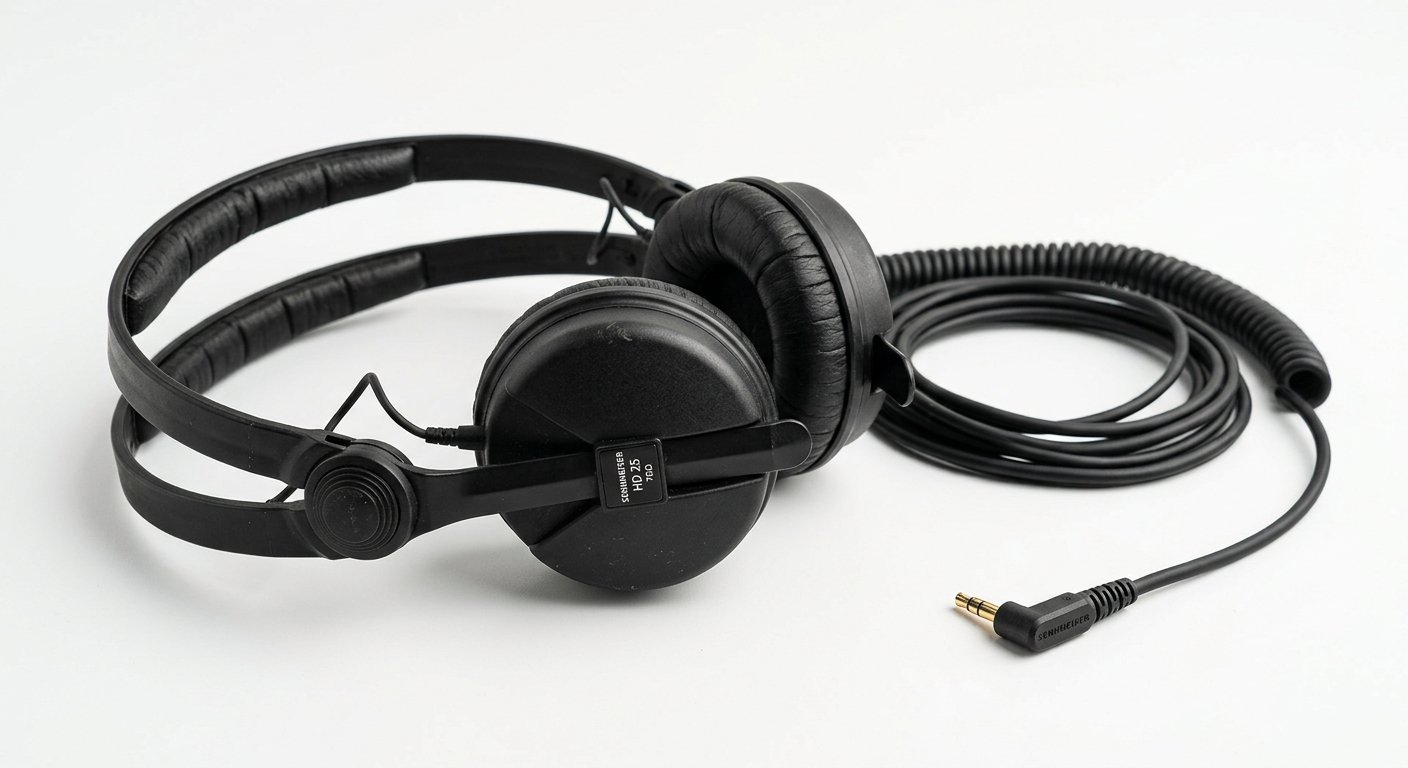
The Sennheiser HD 25 (~$149) has been the default DJ headphone for decades, and in 2026 it is still the one most working DJs reach for. The reason is a combination nothing else quite matches: they are light, loud, and effectively indestructible.
The sound is punchy and forward with the mid-and-high clarity you need to pick a kick or hi-hat out of a roaring club system. The split headband and rotatable capsule are purpose-built for single-ear monitoring, flip one cup up and cue with the other, comfortably, for a five-hour set. And because they are on-ear and lightweight, they never become a burden.
The masterstroke is that every single part is replaceable, cable, pads, capsules, headband. A well-cared-for pair lasts a decade or more (see Sennheiser’s official HD 25 page). They are not the most comfortable or the best-isolating on this list, but as an all-round DJ tool nothing beats them.
Who should buy it: most DJs, from first gig to touring pro, who want a reliable industry standard.
Watch out for: on-ear fit isolates less than over-ear, and the clamp is firm at first.
Sennheiser HD 25
The decades-long booth standard: light, loud, indestructible, with a split headband built for single-ear cueing and every part replaceable.
Check Price on Amazon2. Pioneer DJ HDJ-CUE1: Best Value
The HDJ-CUE1 (~$79) is Pioneer DJ’s entry-level pair, and it delivers a startling amount of the brand’s booth pedigree for the money. The frequency response is excellent at this price, punchy low end for beatmatching, clear highs for cueing, and the over-ear cups isolate well in a loud room.
The ear cups rotate for single-ear monitoring, the fit is comfortable for long sessions, and being a Pioneer DJ product it feels at home next to the CDJs and mixers you will meet in most booths. There is also a Bluetooth version if you want casual wireless listening between gigs.
It is not as bombproof as the HD 25 and the build is more plastic, but as a first serious DJ headphone it is the smart buy.
Who should buy it: beginners and value seekers who want real Pioneer DJ sound cheaply.
Watch out for: more plastic build than premium pairs.
Pioneer DJ HDJ-CUE1
Pioneer DJ booth pedigree at an entry price: punchy low end, clear cueing highs, and rotating cups for single-ear monitoring.
Check Price on Amazon3. AIAIAI TMA-2 DJ: Best Modular
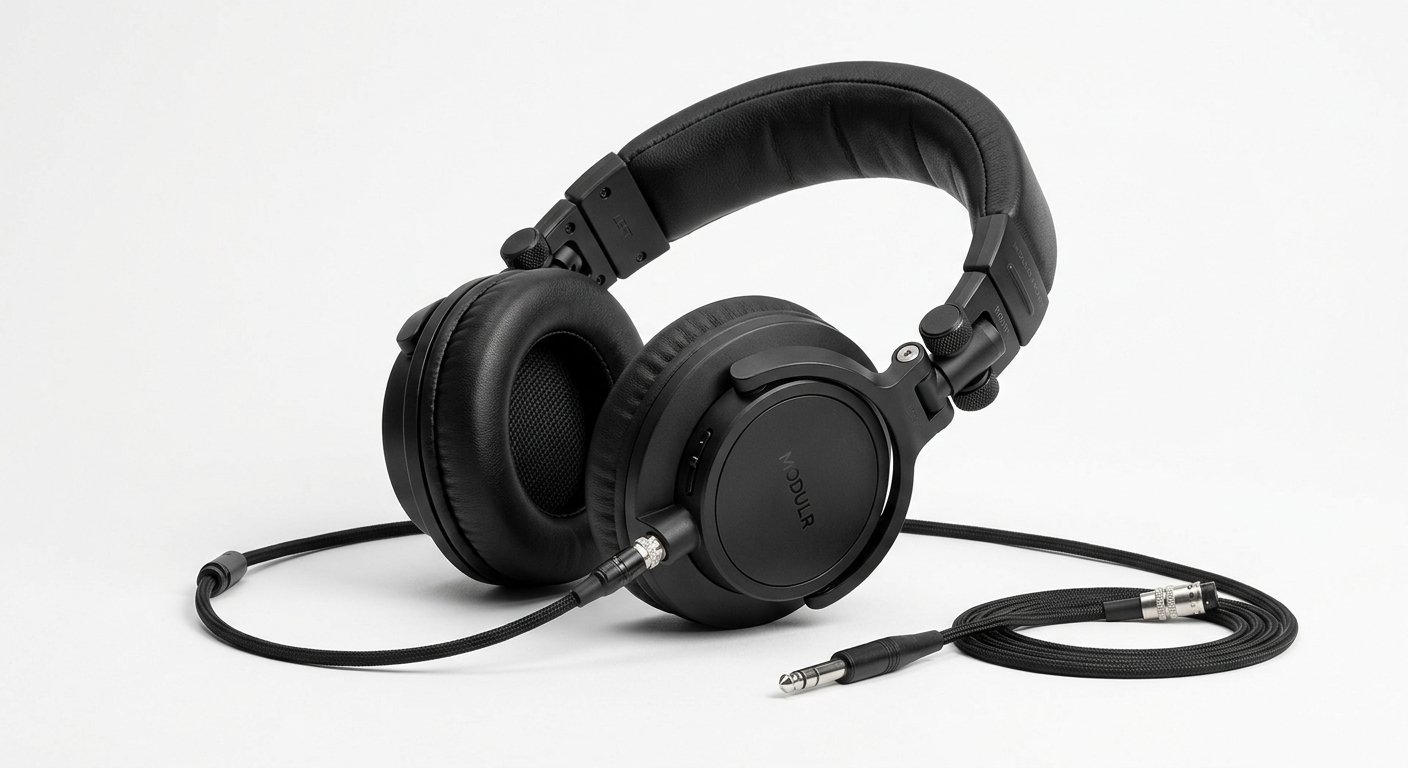
The TMA-2 DJ (~$199) does something no other pair here does: it is fully modular. The speaker units, ear pads, headband, and cable are all separate components you choose and swap. If a part wears out, you replace just that part; if your needs change, you reconfigure rather than rebuy.
The DJ preset is tuned for exactly this job, strong, controlled bass to lock a beatmatch, with the isolation and comfort for long booth sessions. And because AIAIAI also makes wireless and studio units for the same frame, one headband can grow into several tools.
It costs more than the HD 25, and the modular approach is overkill if you just want one pair and never think about it again. For DJs who value repairability and flexibility, it is uniquely appealing.
Who should buy it: DJs who want repairable, reconfigurable headphones with strong bass.
Watch out for: pricier than the HD 25, and modularity is wasted if you never swap parts.
AIAIAI TMA-2 DJ
Fully modular headphones, swap speakers, pads, headband, and cable, with a DJ tuning built for controlled, beatmatch-ready bass.
Check Price on Amazon4. Pioneer DJ HDJ-X10: Best Sounding
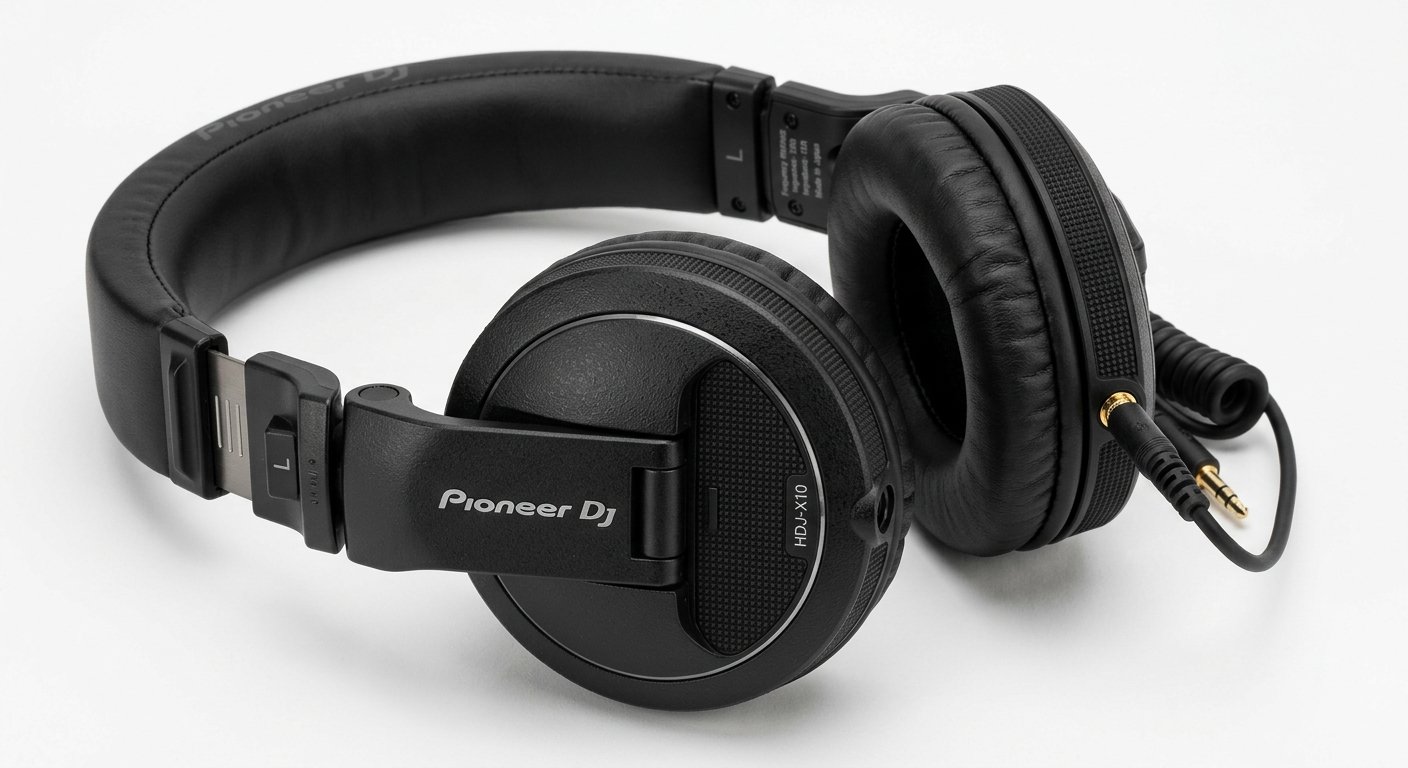
The HDJ-X10 (~$349) is Pioneer DJ’s flagship, and it is the best-sounding pair on this list. Wide frequency response, detailed highs, and deep, defined bass make it as satisfying for critical listening as it is for cueing, you hear more of the track, not just enough to beatmatch.
The build matches the price: durable, road-ready, with a nano-coating that resists sweat and dust, and it survives serious drop testing. Isolation is excellent for loud booths, and it is comfortable enough for long sets despite the premium heft.
This is more headphone than a beginner needs. For a professional who wants the best sound and build Pioneer DJ makes and gigs constantly, it is the top of the range.
Who should buy it: professionals who want flagship sound, isolation, and durability.
Watch out for: expensive and heavier than the HD 25.
Pioneer DJ HDJ-X10
Pioneer DJ’s flagship: the widest, most detailed sound here, with sweat-resistant nano-coating and road-ready durability.
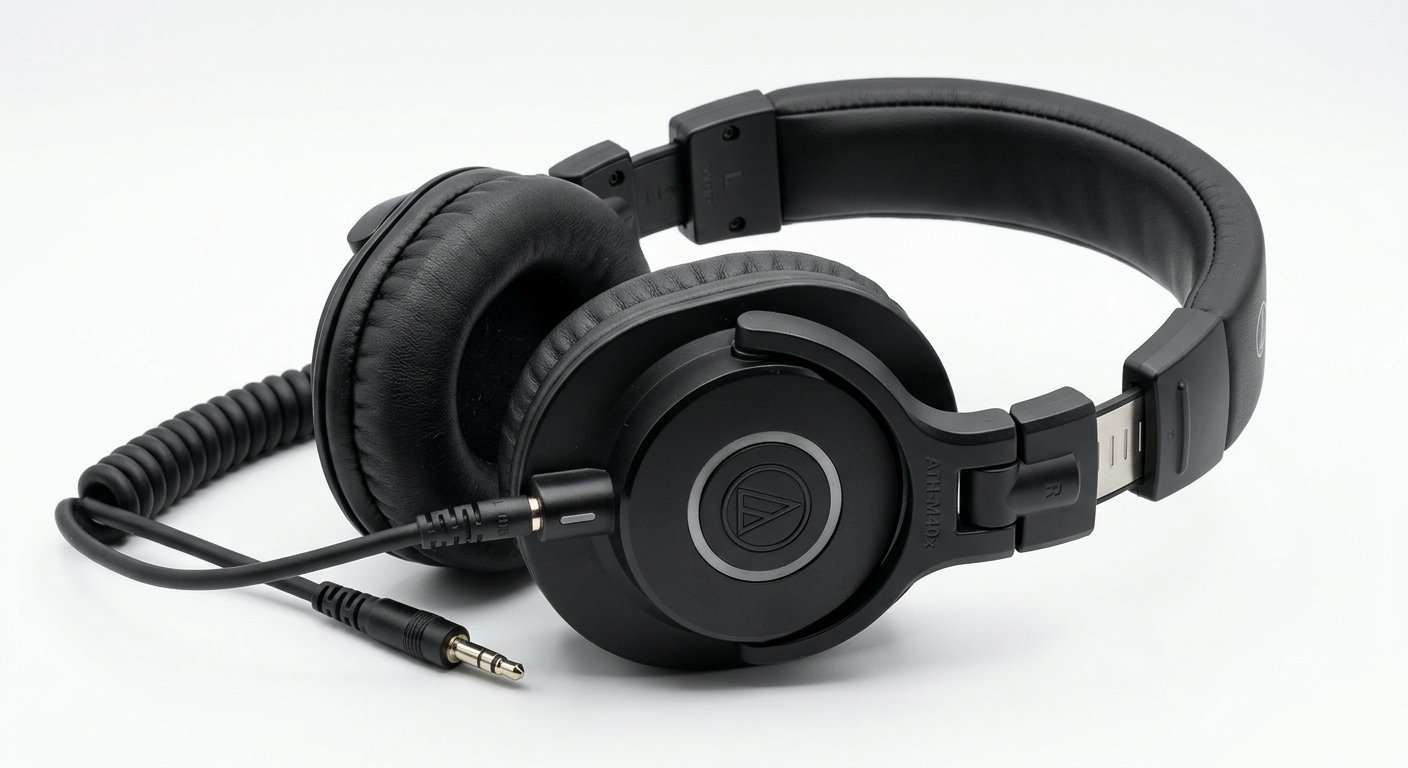
Check Price on Amazon5. Audio-Technica ATH-M50x: Best for Production Too
The ATH-M50x (~$149) is the pick if you both DJ and produce. It is one of the most popular studio monitoring headphones ever made, with a fairly balanced, detailed sound that is accurate enough for mixing, yet it has the swiveling ear cups and strong isolation that make it work in the booth too.
That dual-purpose nature is the appeal: one pair for cueing a set and for editing your tracks the next morning. The 90-degree swiveling cups handle single-ear monitoring, and the closed-back design isolates well.
Its sound is flatter than a pure DJ can like the HD 25, some DJs want more forward bass in a club, but that same flatness is exactly why it doubles as a studio tool. For more mixing-focused options, see our guide to the best studio monitors.
Who should buy it: DJ-producers who want one pair for the booth and the studio.
Watch out for: flatter, less bass-forward than dedicated DJ cans.
Audio-Technica ATH-M50x
A studio-standard monitoring headphone with swiveling cups and strong isolation: one pair for both cueing and mixing.
Check Price on Amazon6. V-MODA Crossfade M-100 Pro: Best Build and Looks
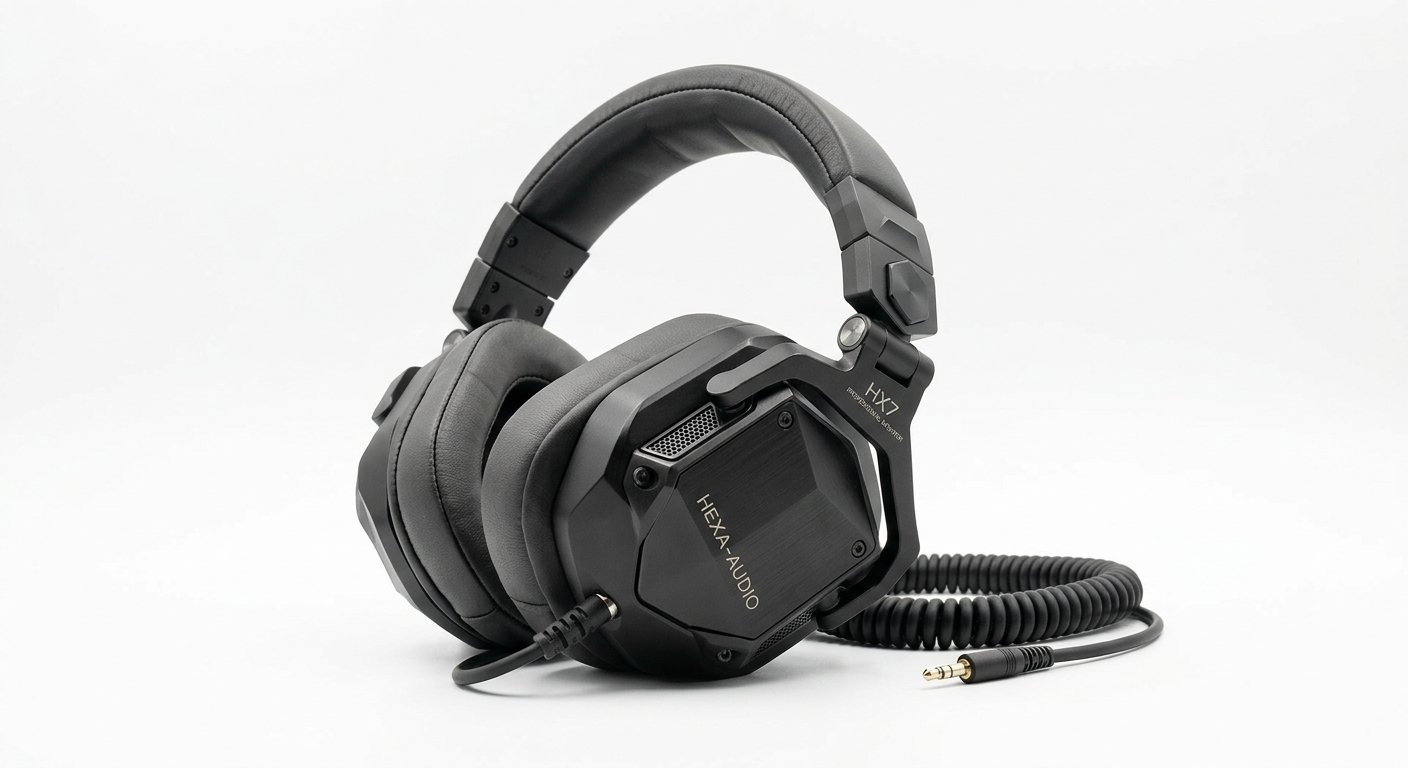
The Crossfade M-100 Pro (~$249) is the pair for DJs who want their headphones to look as good as they sound. The distinctive hexagonal metal ear cups are customizable with swappable shields, and the build is genuinely tank-like, a steel frame rated to survive far more abuse than plastic rivals.
The sound is bold and bass-forward, exactly what many club DJs want to lock a beatmatch, with enough clarity up top for cueing. They fold compact for transport and the cable is detachable and swappable.
They are heavier than the HD 25 and the strong bass tuning is less neutral than the M50x, but for build, style, and a fun, powerful sound, they stand out.
Who should buy it: DJs who want premium build, bold bass, and a distinctive look.
Watch out for: heavy, and the bass-forward tuning is not for everyone.
V-MODA Crossfade M-100 Pro
A tank-like steel frame with customizable hexagonal shields and bold, bass-forward sound: the best-built, best-looking pair here.
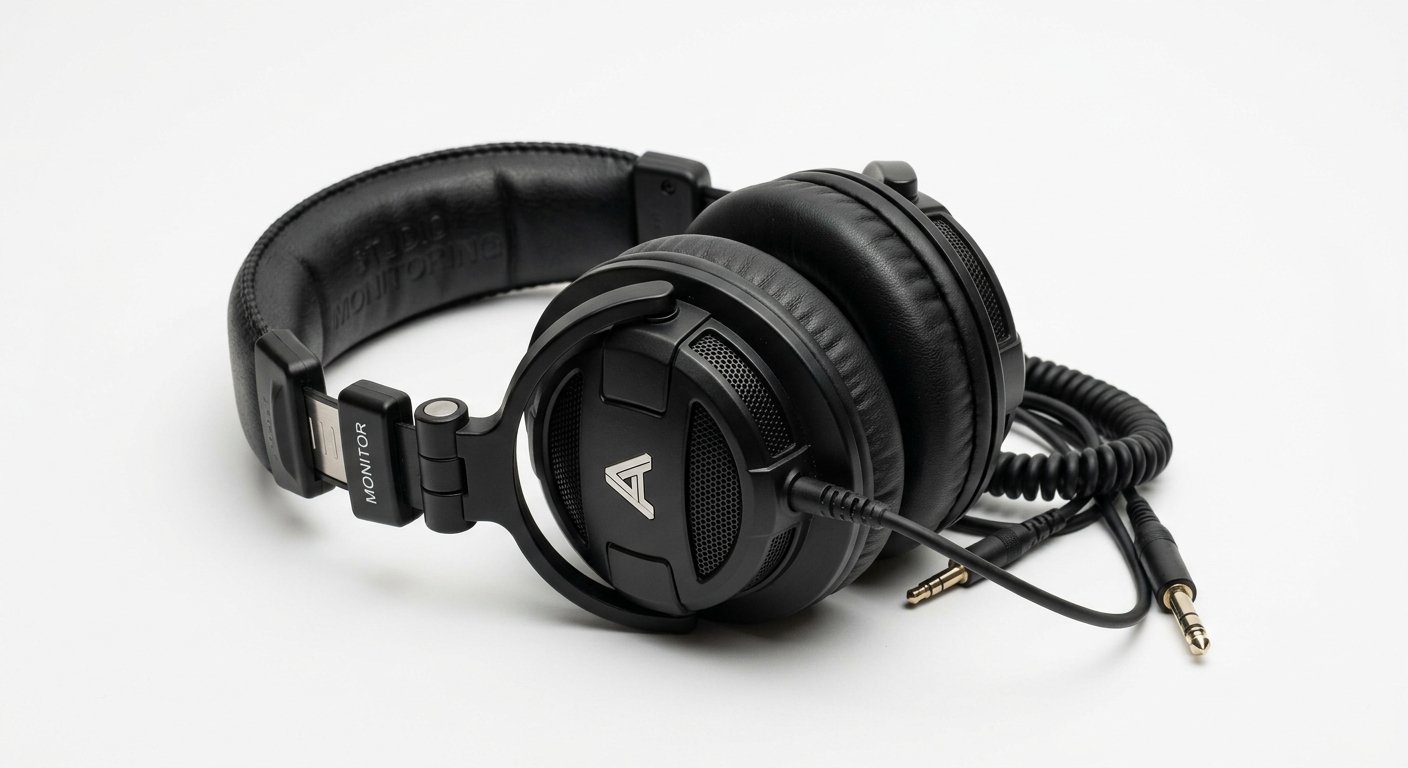
Check Price on Amazon7. OneOdio Studio Pro 10: Best Budget
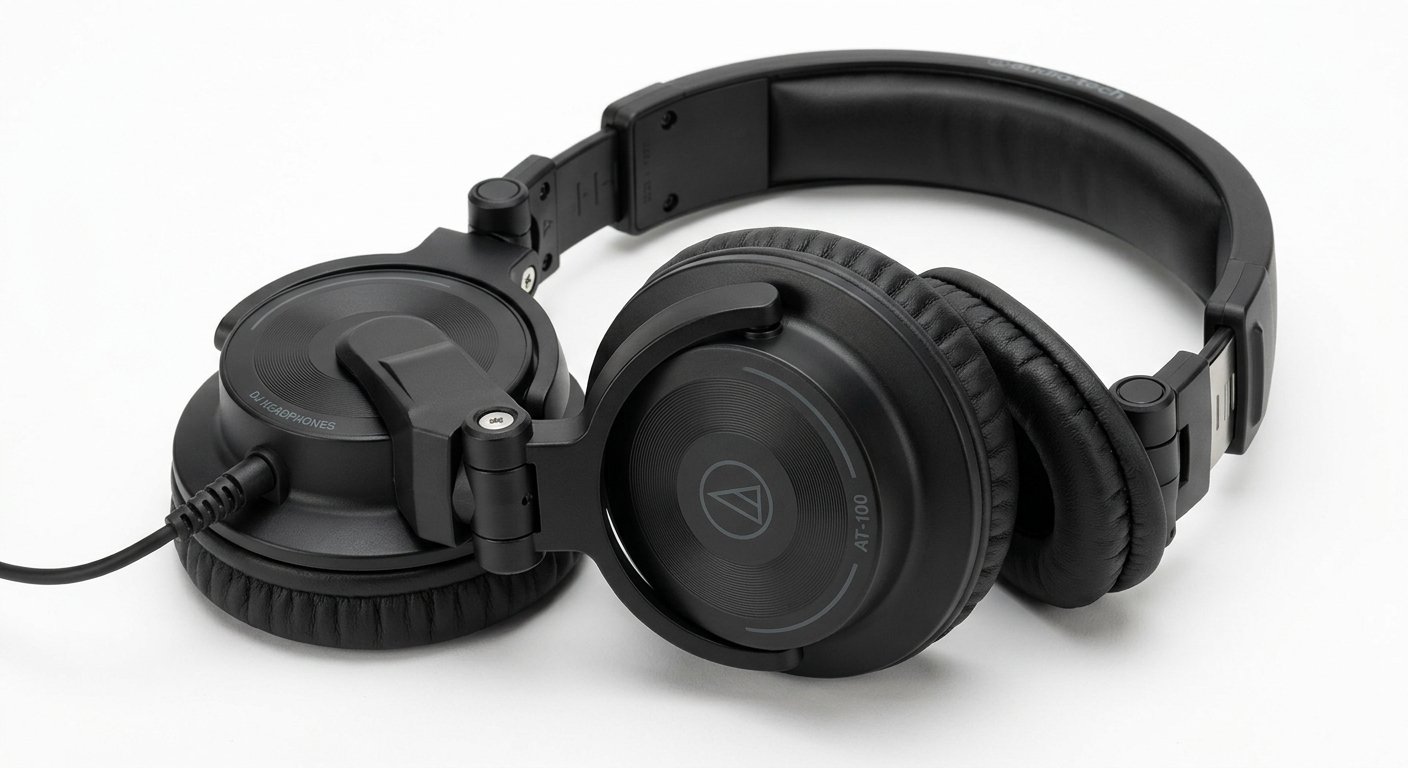
The OneOdio Studio Pro 10 (~$49) is proof you can start DJing without spending much at all. For under $50 you get powerful bass, and especially strong sub-bass, that makes it easy to pick the kick out of a loud environment, which is the single most important thing a beginner DJ headphone must do.
The over-ear cups rotate for single-ear monitoring, they are comfortable, and they come with both a coiled and a straight cable. For a first pair, or a cheap backup to keep in the bag, they punch well above the price.
The lower mids are a touch thin and the build is not premium, but as an entry point they are hard to argue with.
Who should buy it: absolute beginners and anyone who wants a cheap, capable backup pair.
Watch out for: slightly thin mids and a budget build.
OneOdio Studio Pro 10
Powerful bass and strong sub-bass under $50, with rotating cups and two cables: the best budget starter or backup pair.
Check Price on AmazonWhat Makes a Good DJ Headphone?
Loudness and closed-back isolation
The core job is hearing your cue over a club system. That means closed-back headphones (which seal sound out) that can go genuinely loud. Impedance matters here: low-impedance models (around 32 ohms) get loud easily from any device, while high-impedance studio headphones like 250-ohm models are too quiet for the booth. Buy low impedance for DJing.
Single-ear monitoring design
DJs constantly cue with one ear while the other listens to the room. Look for swiveling ear cups or a split headband (the HD 25’s specialty) that make one-ear monitoring comfortable. Without it, you are twisting the headphones awkwardly all night.
Bass response for beatmatching
You beatmatch by lining up kick drums, so a present, punchy low end helps you hear the beat clearly in a loud room. This is why a purely flat studio tuning is not always ideal for DJing, DJ-specific headphones often boost the bass slightly on purpose. If you also produce, a flatter pair like the M50x is the compromise.
Durability and replaceable parts
DJ headphones live hard lives, bags, booths, spills, drops. Prioritize a tough build and, ideally, replaceable parts (cable, pads, capsules). A detachable cable alone saves most headphones, since the cable is the first thing to fail. The HD 25 and AIAIAI TMA-2 lead here.
Comfort for long sets
You wear these for hours. Weight, clamp force, and pad material all matter. On-ear pairs (HD 25) are lighter but press on the ear; over-ear pairs isolate better and spread pressure but weigh more. Try to prioritize a fit you can wear for a full set.
Wired vs wireless in 2026
Most DJs still choose wired, because there is no battery to die mid-set and no latency. Wireless has improved dramatically, new low-latency protocols like SonicLink and W+ Link get below 10ms, which is unnoticeable, but standard Bluetooth is too laggy for cueing. If you go wireless, insist on a proper low-latency DJ protocol, not regular Bluetooth.
Frequently Asked Questions
What are the best DJ headphones in 2026?
What is the difference between DJ headphones and normal headphones?
Why do DJs wear headphones on one ear?
Do you need special headphones for DJing?
Are wireless headphones good for DJing?
What impedance should DJ headphones be?
The Bottom Line
The Sennheiser HD 25 is the best DJ headphone in 2026 for the same reasons it has been for years: light, loud, indestructible, and purpose-built for single-ear cueing. It is the safe recommendation for almost any DJ. For value, the Pioneer DJ HDJ-CUE1 delivers real booth pedigree for $79, the AIAIAI TMA-2 DJ is the pick if you want repairable modular cans, and the OneOdio Studio Pro 10 gets you started for under $50.
Prioritize loudness, isolation, single-ear comfort, and durability. Boost bass if you purely DJ; go flatter, like the ATH-M50x, if you also produce.
Next, complete your rig with the right DJ laptop, and if you produce too, see our guides to the best studio monitors and best audio interface.