
- The Focusrite Scarlett 2i2 4th Gen (~$199) is the best overall, with ISA-emulating Air mode, Auto Gain, and proven reliability.
- The MOTU M2 (~$199) has measurably better ESS Sabre32 converters plus full-colour LCD metering.
- The Audient iD4 MkII (~$199) has a genuine console-grade Class-A preamp, but only one mic input.
- Sub-$200 interfaces now deliver specs that cost $500 a few product cycles ago.
- Check gain range if you use a dynamic mic like the SM7B, budget interfaces can run out of gain.
- 24-bit/48kHz is plenty for home recording; higher sample rates add CPU load with no audible benefit.
Here is the good news about buying an audio interface in 2026: the sub-$200 tier now delivers specs that were exclusive to $500 units just a few product cycles ago. Converter quality, preamp noise floor, and driver latency have all improved dramatically at the budget end, which means the interface is no longer the weak link in a home studio.
It is still the most important piece of hardware between your microphone and your DAW. It converts your analog signal to digital and back, and everything downstream, your mixes, your vocal takes, your monitoring, depends on it doing that cleanly. This guide ranks the seven best audio interfaces under $200, explains which specs actually matter at this price, and picks the right one for your setup.
Compiled by the Shlohmo editorial team. Last updated 18 July 2026.
How We Choose
These picks are compiled from manufacturer specifications, published measurements, and the documented consensus of professional reviewers and working producers. We compare published input counts, preamp gain ranges, converter specifications and round-trip latency figures directly against manufacturer documentation, and weigh them against how each interface is discussed across established review outlets and production communities.
We do not conduct independent hands-on testing of every product listed. Where a specification matters to a buying decision, we cite the manufacturer’s own documentation so you can verify it yourself. Prices are approximate and change frequently, so check current listings before purchasing.
Best Audio Interfaces Under $200 in 2026: Quick Comparison
| Interface | Best for | Inputs | Approx. price |
|---|---|---|---|
| Focusrite Scarlett 2i2 4th Gen | Best overall | 2 in / 2 out | ~$199 |
| MOTU M2 | Best converters | 2 in / 2 out | ~$199 |
| Audient iD4 MkII | Best preamp | 1 mic / 1 DI | ~$199 |
| PreSonus Studio 24c | Best software bundle | 2 in / 2 out | ~$149 |
| Arturia MiniFuse 2 | Best value | 2 in / 2 out | ~$149 |
| NI Komplete Audio 2 | Best for producers | 2 in / 2 out | ~$139 |
| Behringer UMC22 | Cheapest usable | 1 mic / 1 DI | ~$59 |
1. Focusrite Scarlett 2i2 4th Gen: Best Overall
The Scarlett 2i2 is the best-selling audio interface in the world, and the 4th Gen (~$199) is the version that earns that status rather than coasting on it. Reviewers describe it as offering arguably unmatched value for usability, reliability, and quality in its bracket.
Two features stand out. Air mode now includes Focusrite’s ISA preamp emulation, adding a genuine high-end presence lift to vocals that flatters most sources. And Auto Gain sets your input level for you, which removes the single most common beginner mistake, recording too hot and clipping, or too quiet and adding noise.
Latency is meaningfully lower than the 3rd Gen, the build is rugged enough to survive a desk and a backpack, and driver support on both Mac and Windows is excellent (details on Focusrite’s official Scarlett 2i2 page).
Who should buy it: almost everyone, the safest default for home recording, podcasting, and production.
Watch out for: it sits right at the $200 line, so it is the priciest here.
Focusrite Scarlett 2i2 4th Gen
ISA-emulating Air mode, Auto Gain, low latency, and legendary reliability: the safest buy under $200.
Check Price on Amazon2. MOTU M2: Best Converters
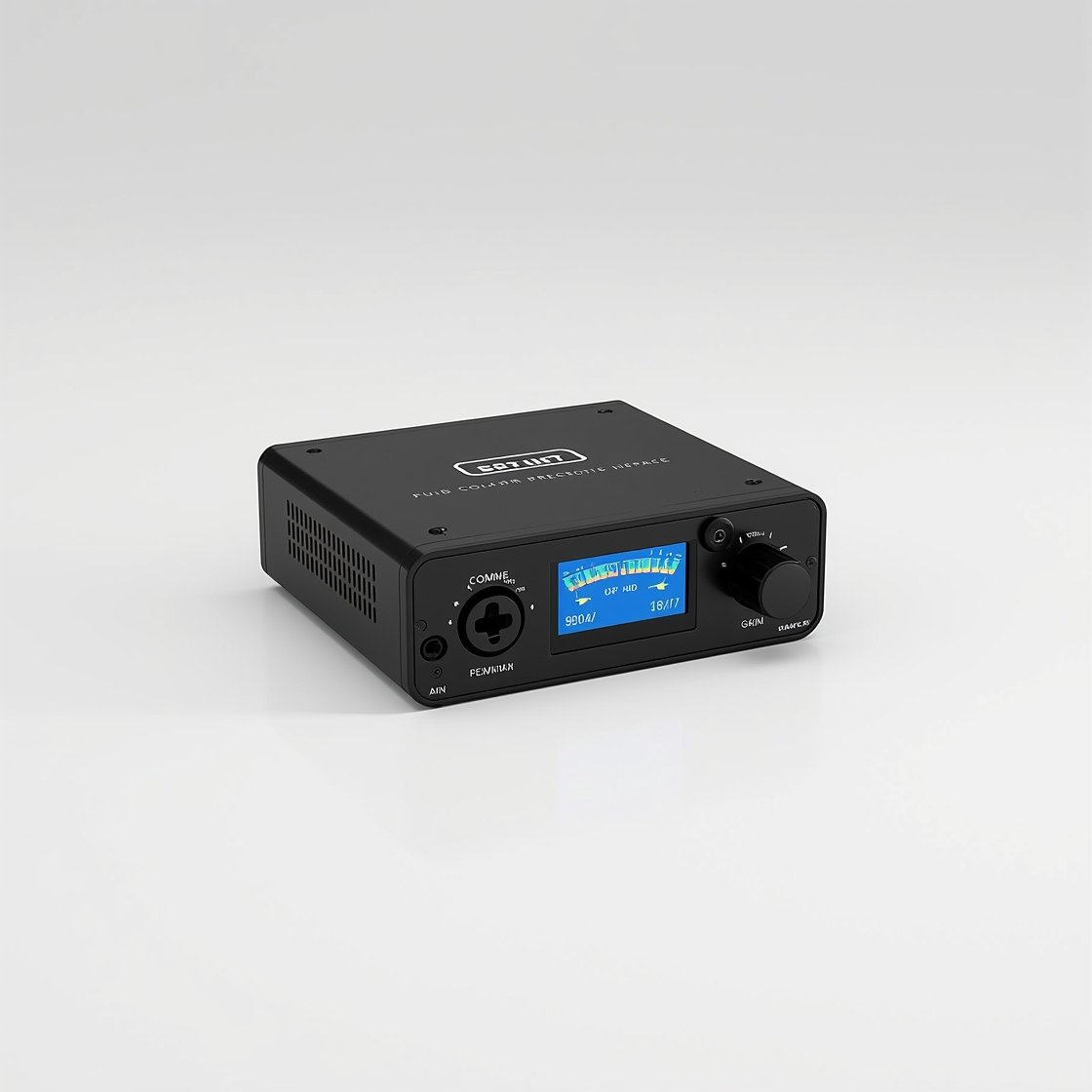
The MOTU M2 (~$199) is the technical enthusiast’s pick, and it beats the Scarlett on pure measured performance. MOTU used ESS Sabre32 converters, the same family found in interfaces costing several times more, delivering a dynamic range that genuinely outclasses the price bracket.
The other standout is the full-colour LCD metering on the front panel. Instead of a single clip LED, you see precise input and output levels at a glance, which makes setting gain properly far easier and is a feature normally reserved for expensive units.
Loopback routing is built in, making it excellent for streaming and recording computer audio alongside your mic.
Who should buy it: anyone who wants the cleanest converters and proper metering at this price.
Watch out for: preamps have less character than Audient’s; software bundle is thin.
MOTU M2
ESS Sabre32 converters and full-colour LCD metering: measurably the cleanest audio in the sub-$200 class.
Check Price on Amazon3. Audient iD4 MkII: Best Preamp
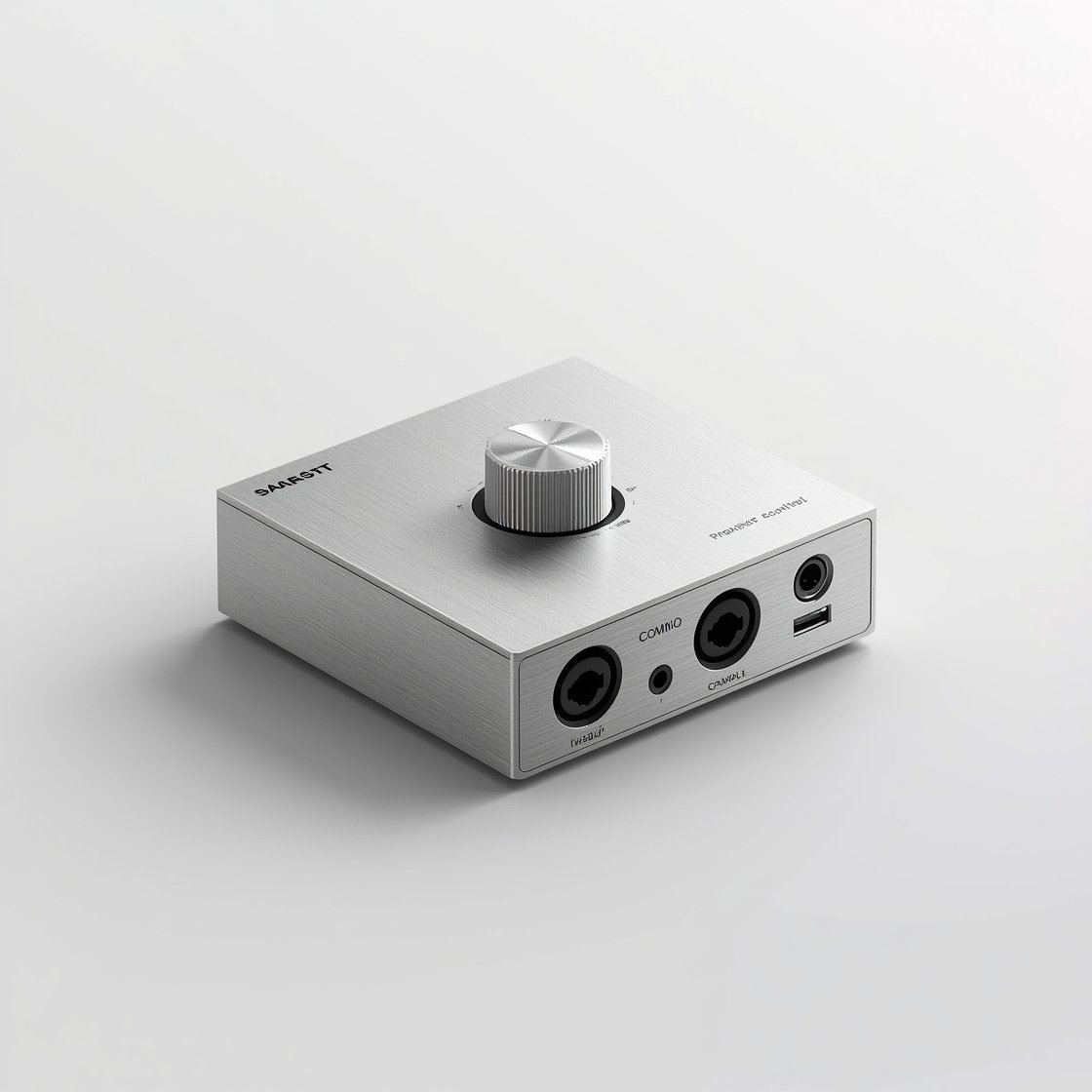
The iD4 MkII (~$199) does something unusual: it puts a genuine console-grade preamp in a budget box. Audient builds professional recording consoles, and the iD4 uses the same Class-A discrete mic preamp found in their studio hardware costing many times more. Reviewers widely regard it as one of the few units in this bracket that comfortably drives a low-output dynamic microphone without audible hiss.
If you record a single source, vocals, acoustic guitar, voiceover, that preamp quality is worth more than a second input you will not use. The sound is warmer and more open than anything else here.
The huge front encoder is genuinely useful in daily use, and the all-metal chassis feels built to last. The trade-off: one mic input, so you cannot record two mics at once.
Who should buy it: solo vocalists, podcasters, and anyone prioritizing preamp quality over input count.
Watch out for: only one mic input, no good for stereo or two-person recording.
Audient iD4 MkII
A genuine console-grade Class-A discrete preamp from a professional console maker, in a solid metal box.
Check Price on Amazon4. PreSonus Studio 24c: Best Software Bundle
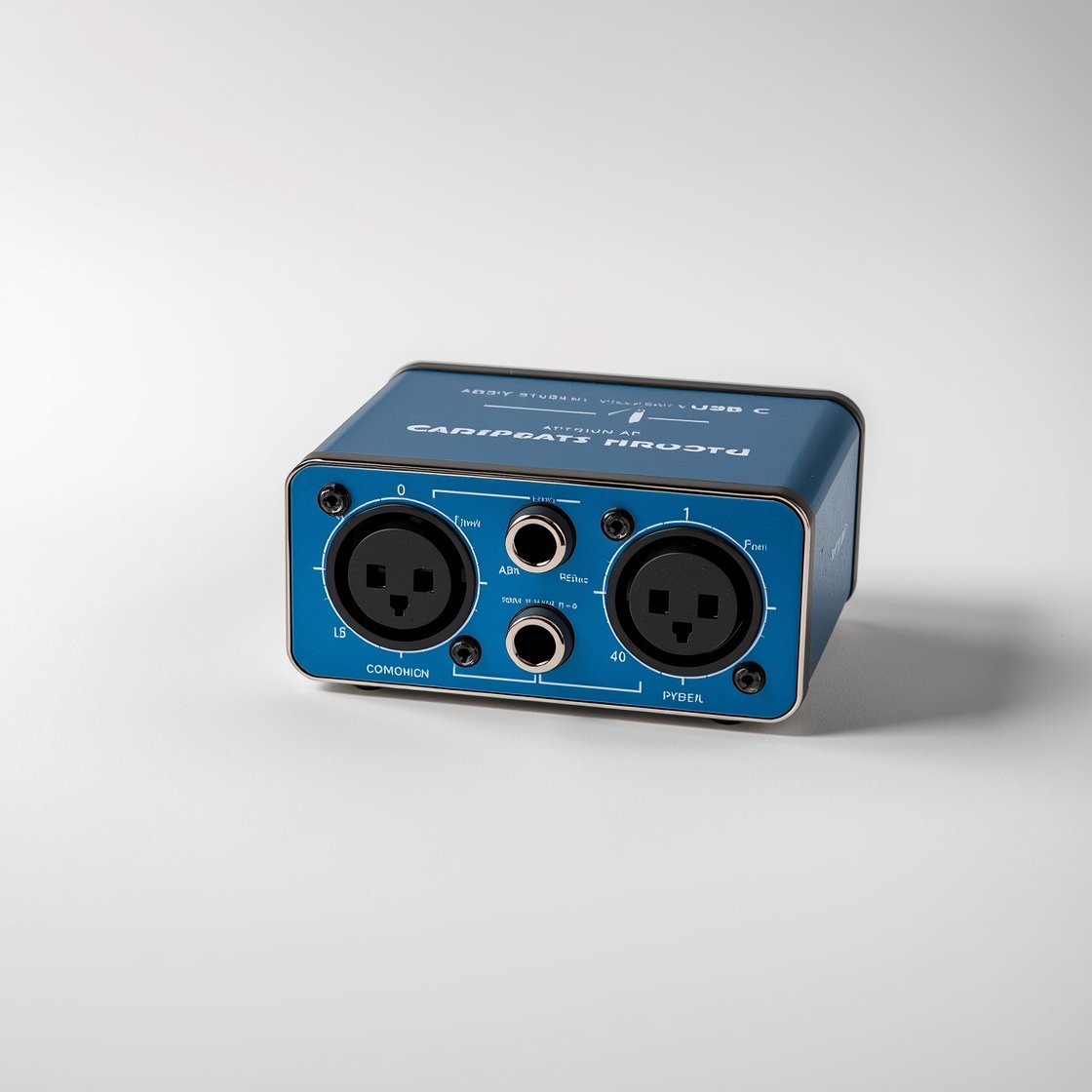
The Studio 24c (~$149) is the interface that gives a first-time producer everything needed to start making music in a single purchase. It bundles PreSonus’s Studio One Artist DAW plus a generous plugin suite, software that would cost around $100 on its own.
The hardware is solid: XMAX-L preamps, 24-bit/192kHz conversion, USB-C, and a sturdy metal chassis. It also includes MIDI in and out, which the Scarlett 2i2 omits, useful if you have older synths or drum machines.
If you do not already own a DAW, the effective price is far lower than the sticker suggests.
Who should buy it: complete beginners who need a DAW and plugins as well as an interface.
Watch out for: preamps are good rather than exceptional; the bundle only helps if you want Studio One.
PreSonus Studio 24c
Studio One Artist DAW and a full plugin suite bundled with solid XMAX-L preamps and MIDI I/O for ~$149.
Check Price on Amazon5. Arturia MiniFuse 2: Best Value
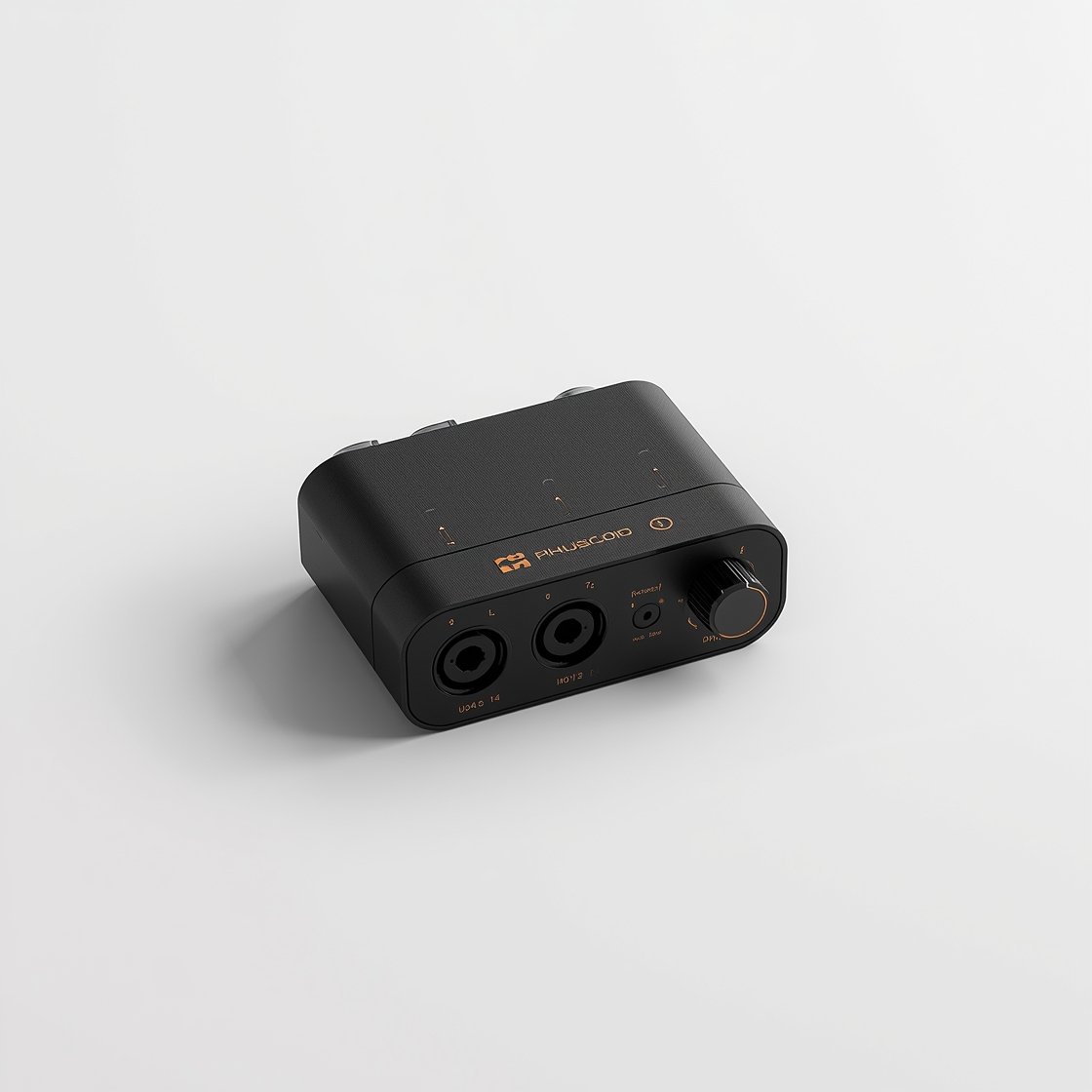
The MiniFuse 2 (~$149) is the smart-money pick, undercutting the Scarlett by $50 while giving up very little. The preamps are clean and quiet, latency is low, and the build is compact and tidy.
Its edge is the software: Arturia bundles Analog Lab Intro, giving you access to their acclaimed V Collection vintage synth emulations, alongside Ableton Live Lite. For an electronic producer, that bundle is genuinely valuable rather than filler.
There is also a built-in USB hub port, a small but genuinely useful touch on a laptop where ports are scarce, since you can plug your MIDI controller straight into the interface.
Who should buy it: electronic producers and anyone wanting near-Scarlett quality for less.
Watch out for: less brand-familiar than Focusrite; preamps are clean rather than characterful.
Arturia MiniFuse 2
Clean preamps, a built-in USB hub port, and Analog Lab Intro synths bundled, for $50 less than the Scarlett.
Check Price on Amazon6. Native Instruments Komplete Audio 2: Best for Producers
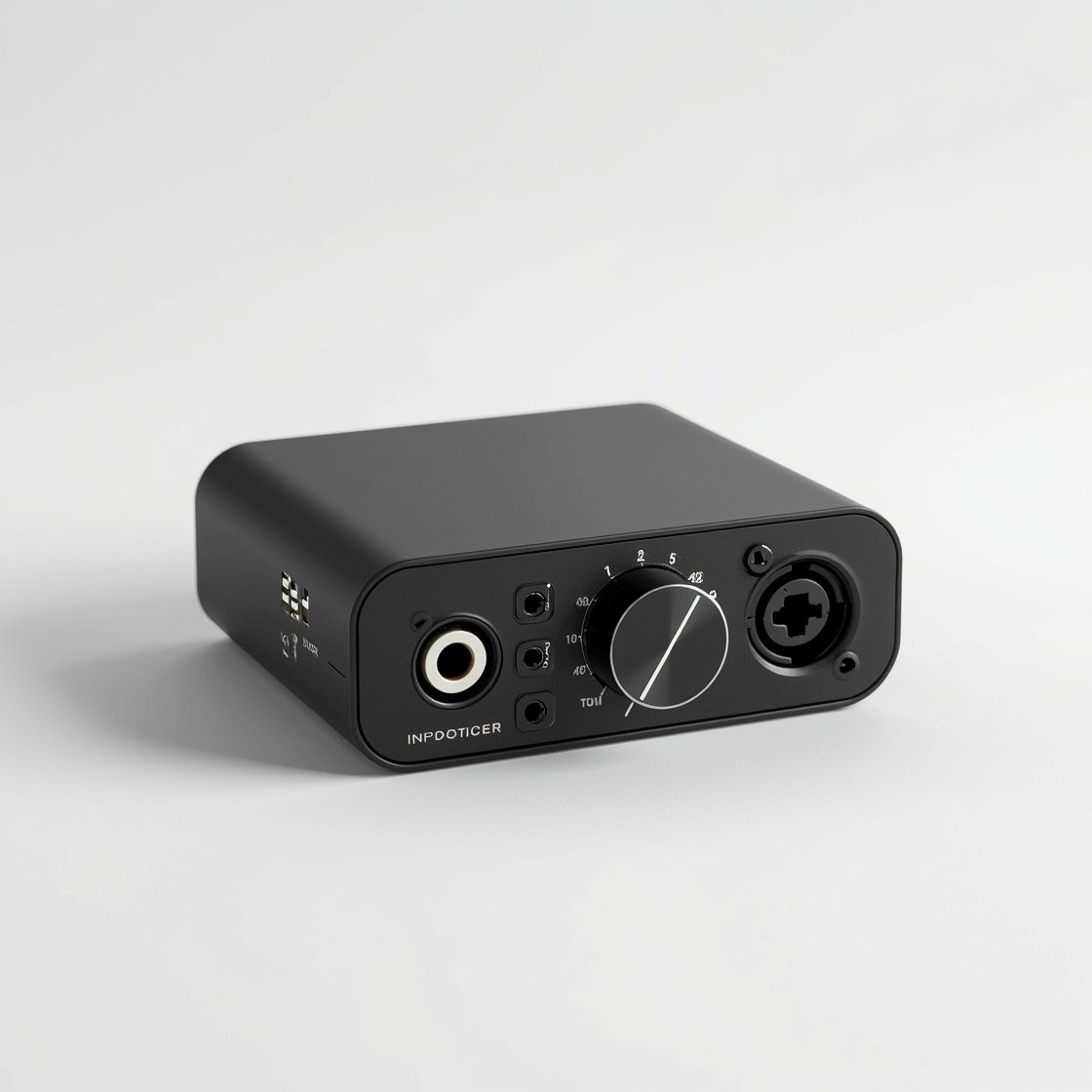
The Komplete Audio 2 (~$139) is aimed squarely at producers rather than engineers, and its value is the Native Instruments software ecosystem it unlocks. The bundle includes Maschine Essentials, Monark, Replika, and a Komplete Start library, tools that sit at the centre of a lot of electronic production.
The hardware itself is straightforward and reliable: 24-bit/192kHz conversion, two combo inputs, and a large central monitor dial ringed with level indicators. The matte black design is understated and looks right on a producer’s desk.
If you already work inside the NI ecosystem, or plan to, this is the natural interface choice.
Who should buy it: beat producers and NI ecosystem users who want software value with their interface.
Watch out for: preamps are basic; less suited to serious acoustic recording.
Native Instruments Komplete Audio 2
Reliable 24-bit/192kHz hardware bundled with Maschine Essentials, Monark, and the NI Komplete Start library.
Check Price on Amazon7. Behringer UMC22: Cheapest Usable
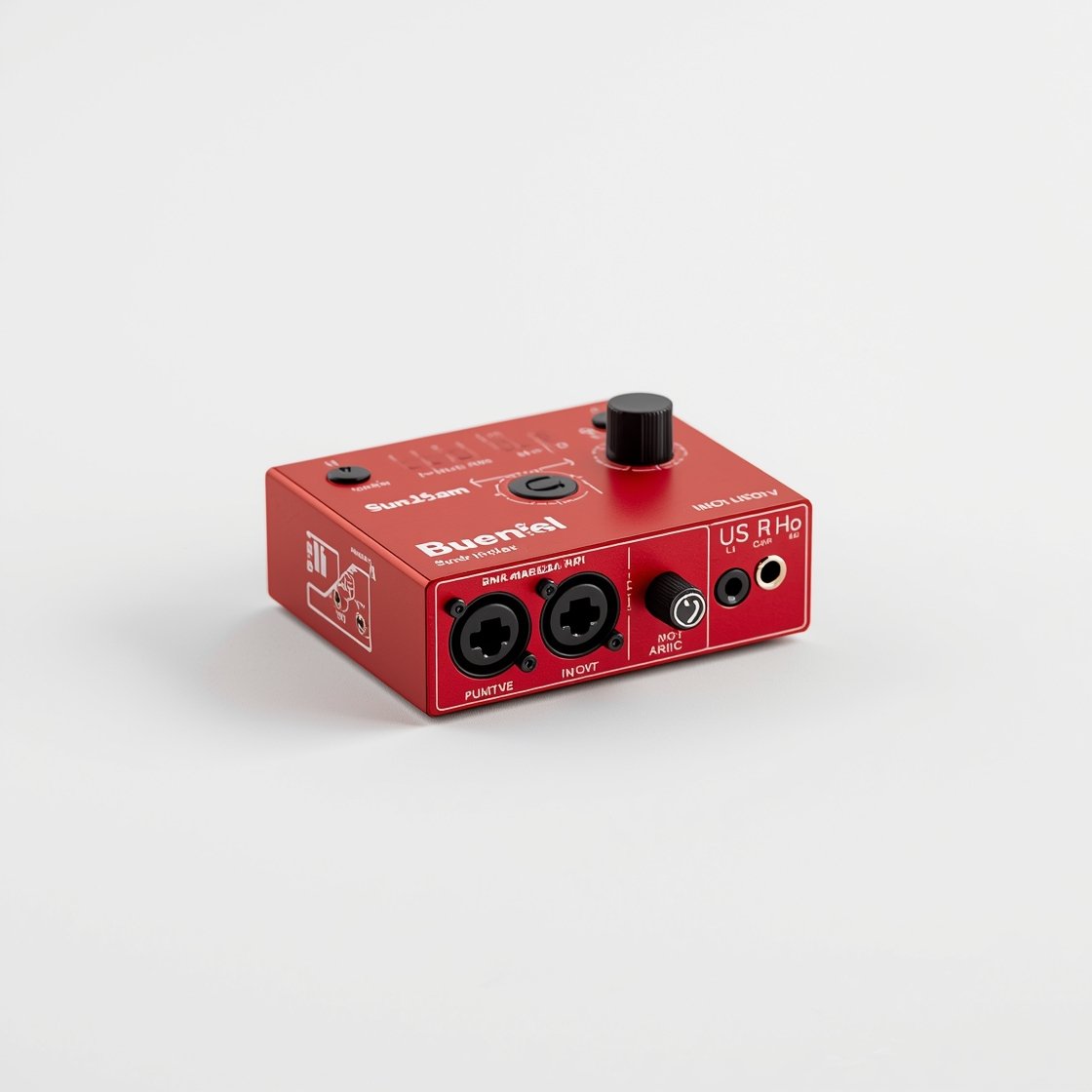
The UMC22 (~$59) is the floor of the category, and it is the cheapest interface that is genuinely worth owning rather than regretting. It gives you one XLR input with a Midas-designed preamp, phantom power, and one instrument input, which covers a single mic or guitar cleanly.
The preamps are not as refined as Focusrite or Audient, and the plastic build feels its price. Latency is higher and the drivers are less polished. But for demos, practice recording, or simply finding out whether you enjoy recording before investing properly, it does the job.
Think of it as a trial rather than a destination.
Who should buy it: absolute beginners testing the waters, or anyone needing a cheap backup.
Watch out for: higher latency, basic drivers, and a plastic chassis, you will outgrow it.
Behringer U-Phoria UMC22
A Midas-designed preamp and phantom power for around $59: the cheapest interface genuinely worth owning.
Check Price on AmazonWhat Matters in an Audio Interface Under $200
Count the inputs you actually need
One mic input covers solo vocals, voiceover, or podcasting alone, and lets you spend the budget on preamp quality instead (Audient iD4). Two inputs let you record a stereo pair, a two-person podcast, or mic plus guitar simultaneously, which is why most people should choose a 2-in interface. More than two inputs is rare under $200 and usually means compromises elsewhere.
Preamp quality and gain range
The preamp is what amplifies your microphone, and its quality determines how clean your recordings are. Gain range matters especially with dynamic microphones like the SM7B, which need a lot of gain, if the interface runs out, you get hiss. Audient’s Class-A preamps lead this group; Focusrite and MOTU are close behind.
Latency and drivers
Latency is the delay between playing and hearing. High latency makes recording feel disconnected and unplayable. Well-supported drivers (Focusrite, MOTU, Audient) deliver low, stable latency; cheap interfaces often do not. Most interfaces also offer direct monitoring, which routes your input straight to your headphones with zero delay while recording.
Connection type
Almost everything here is USB bus-powered, meaning one cable carries data and power, no wall adapter. Check whether it is USB-C or USB-A and whether your laptop needs an adapter. Thunderbolt interfaces exist but start well above $200.
The bundled software can be worth more than the hardware
If you do not own a DAW yet, factor the bundle in. PreSonus includes Studio One Artist, Arturia includes Analog Lab and Ableton Live Lite, and NI includes Maschine Essentials. That can be $100+ of value, which changes the real price comparison significantly. See our DAW software guide to work out which one you actually want.
What you do not need at this price
Ignore sample rates above 96kHz, they consume CPU and disk for no audible benefit in most home studios. Ignore onboard DSP effects, your DAW plugins are better. Spend the money on preamp quality and reliable drivers instead.
Frequently Asked Questions
What is the best audio interface under $200 in 2026?
Do I need an audio interface for home recording?
How many inputs do I need on an audio interface?
Is a more expensive audio interface worth it?
What sample rate do I need for home recording?
Can I use an audio interface with a dynamic microphone like the SM7B?
The Bottom Line
The Focusrite Scarlett 2i2 4th Gen is the best audio interface under $200 for most people: reliable, well-supported, and with Air mode and Auto Gain that genuinely help. If you care about measured performance, the MOTU M2 has the better converters and proper metering. Recording one source? The Audient iD4 MkII gives you a console-grade preamp. On a tighter budget, the Arturia MiniFuse 2 at ~$149 gives up very little.
Decide how many inputs you need, then prioritize preamp quality and driver reliability. At this price, everything else is a bonus.
Next, see our full guide to the best audio interface for a home studio across all budgets, then pair it with studio monitors, a MIDI controller, and the right DAW.