
- The Yamaha HS8 (~$799/pair) is the best overall: an honest, unflattering reference with low-end extension to around 38Hz.
- Match woofer size to room size: 5-inch for small bedrooms, 7 to 8-inch for larger or treated rooms.
- An 8-inch monitor in a small untreated room excites bass modes and makes your mixes worse, not better.
- Acoustic treatment and placement improve mixes more than any monitor upgrade.
- Use stands, ideally sand-filled, rather than placing monitors on a vibrating desk.
- Room correction (Neumann KH 120 II with MA 1, or Kali's boundary EQ) can matter more than a pricier uncorrected monitor.
Of all the gear in a studio, monitors are arguably the most important. Every mix decision you make, every EQ move, every level, is only as good as what you are hearing. Get monitoring wrong and you are guessing; get it right and your mixes translate to car speakers, phones, and club systems without surprises.
The single biggest mistake is buying monitors that flatter you. A good studio monitor is deliberately unflattering, it shows you problems rather than hiding them. The second biggest mistake is buying more speaker than your room can handle. This guide ranks the seven best studio monitors in 2026 from value to professional, and explains how to match monitor size to your room, which is the decision that matters most.
Compiled by the Shlohmo editorial team. Last updated 18 July 2026.
How We Choose
These picks are compiled from manufacturer specifications, published measurements, and the documented consensus of professional reviewers and working producers. We compare published driver sizes, frequency response figures, room-compensation and calibration features and connectivity directly against manufacturer documentation, and weigh them against how each monitor is discussed across established review outlets and production communities.
We do not conduct independent hands-on testing of every product listed. Where a specification matters to a buying decision, we cite the manufacturer’s own documentation so you can verify it yourself. Prices are approximate and change frequently, so check current listings before purchasing.
Best Studio Monitors in 2026: Quick Comparison
| Monitor | Best for | Woofer | Approx. price (pair) |
|---|---|---|---|
| Yamaha HS8 | Best overall reference | 8-inch | ~$799 |
| ADAM Audio A7V | Best for critical mixing | 7-inch | ~$1,598 |
| Focal Shape 65 | Best professional pick | 6.5-inch | ~$1,798 |
| Kali Audio LP-8 V2 | Best value 8-inch | 8-inch | ~$598 |
| Neumann KH 120 II | Best room calibration | 5.25-inch | ~$1,798 |
| JBL 308P MkII | Best budget 8-inch | 8-inch | ~$498 |
| Yamaha HS5 | Best for small rooms | 5-inch | ~$499 |
1. Yamaha HS8: Best Overall Reference
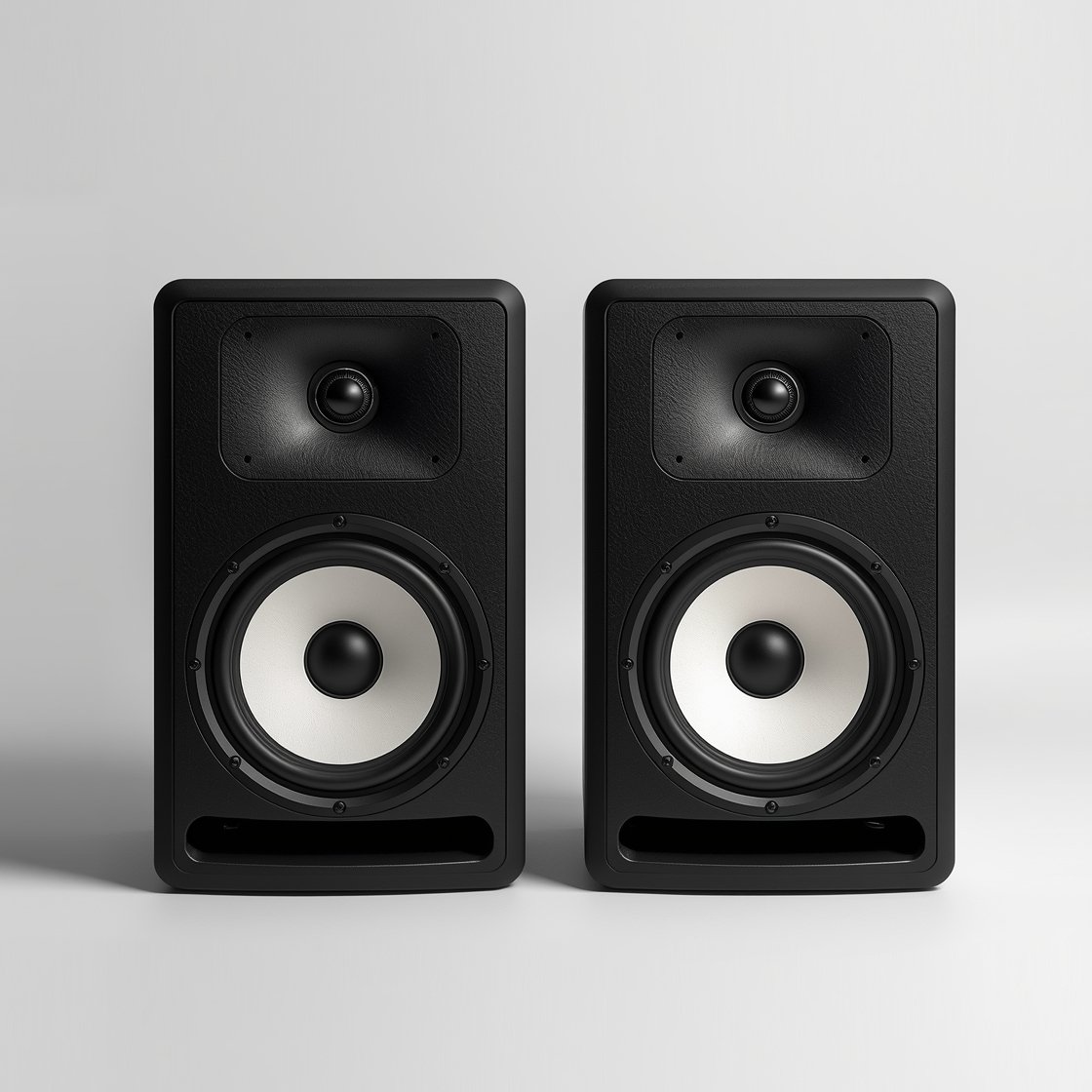
The HS series descends from the legendary Yamaha NS10, monitors chosen by generations of engineers not because they sounded good, but because they didn’t. The logic: if a mix works on them, it works everywhere. The HS8 (~$799/pair) carries that philosophy with modern engineering.
They will not flatter your mixes in the slightest. That honesty takes time to learn, but engineers consistently report that mixes made on HS monitors hold up when checked on far more expensive systems. The 8-inch woofer is what separates the HS8 from the smaller HS5: it reaches down to around 38Hz, so you can actually hear and judge your low end rather than guessing.
That makes them the pick for mid-sized home and project studios working in hip-hop, EDM, film score, or any genre with real bass content, and the way to avoid buying a subwoofer (specs on Yamaha’s official HS series page).
Who should buy it: most serious producers with a room of reasonable size who want a trusted, honest reference.
Watch out for: rear-ported, so they need space behind them; too much speaker for a tiny bedroom.
Yamaha HS8
The honest NS10 philosophy with a real 8-inch woofer reaching 38Hz: the reference most mix engineers trust.
Check Price on Amazon2. ADAM Audio A7V: Best for Critical Mixing
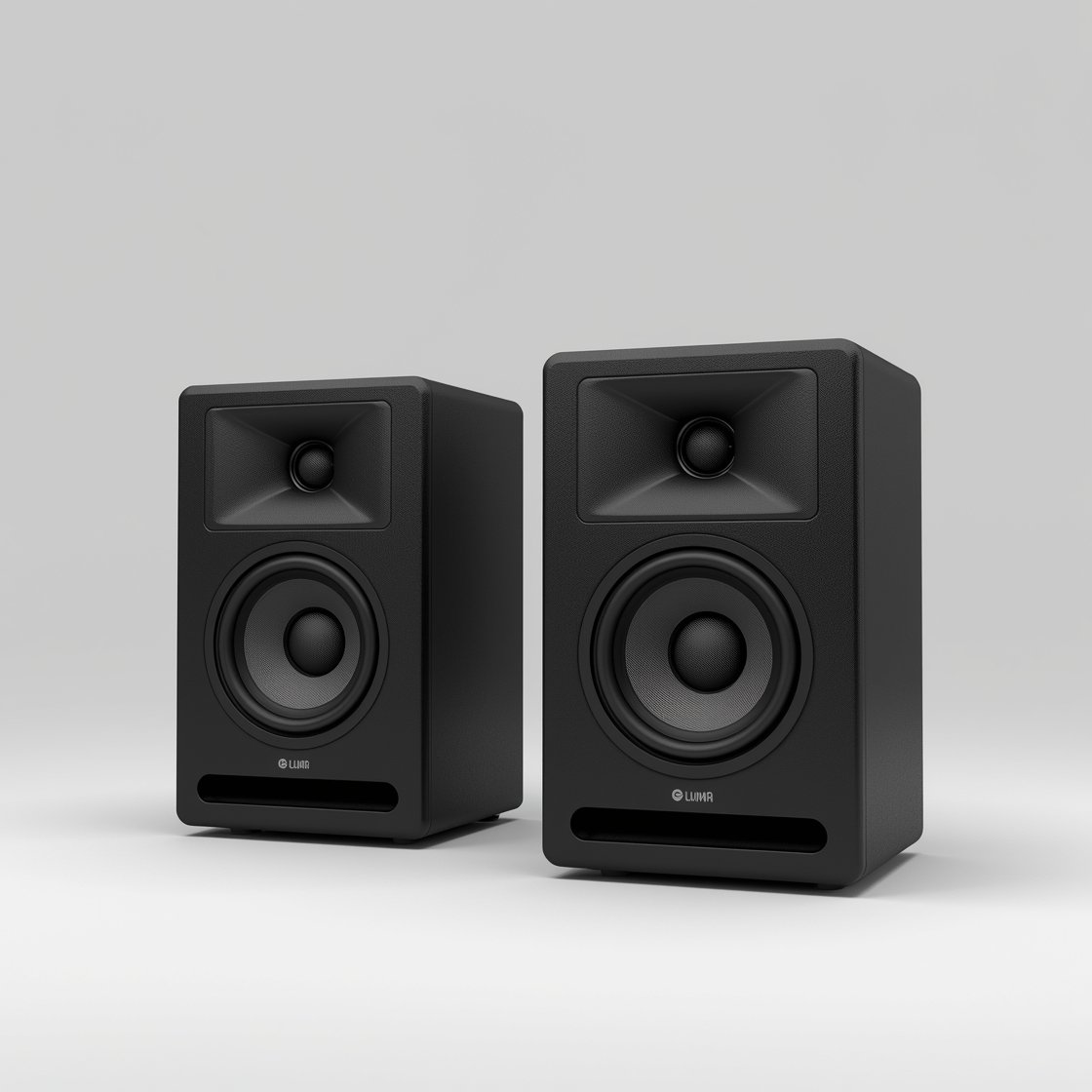
The A7V (~$1,598/pair) is where you step into genuinely professional monitoring. ADAM’s signature is the X-ART folded ribbon tweeter, which moves air differently from a conventional dome and delivers high-frequency detail that is startlingly precise, you hear reverb tails, transient edges, and sibilance issues that cheaper tweeters smear.
That detail is exactly what critical mixing demands. Paired with a 7-inch woofer and onboard DSP room controls, the A7V gives you both accuracy and the ability to adapt to your space.
It is the natural upgrade from an HS8 when your ears have developed and you need to hear further into the mix.
Who should buy it: mixing engineers and producers doing critical work who want maximum high-frequency detail.
Watch out for: the detail can be fatiguing at first; demands a treated room to be worth it.
ADAM Audio A7V
The X-ART folded ribbon tweeter delivers exceptional high-frequency detail, with DSP room controls and a 7-inch woofer.
Check Price on Amazon3. Focal Shape 65: Best Professional Pick
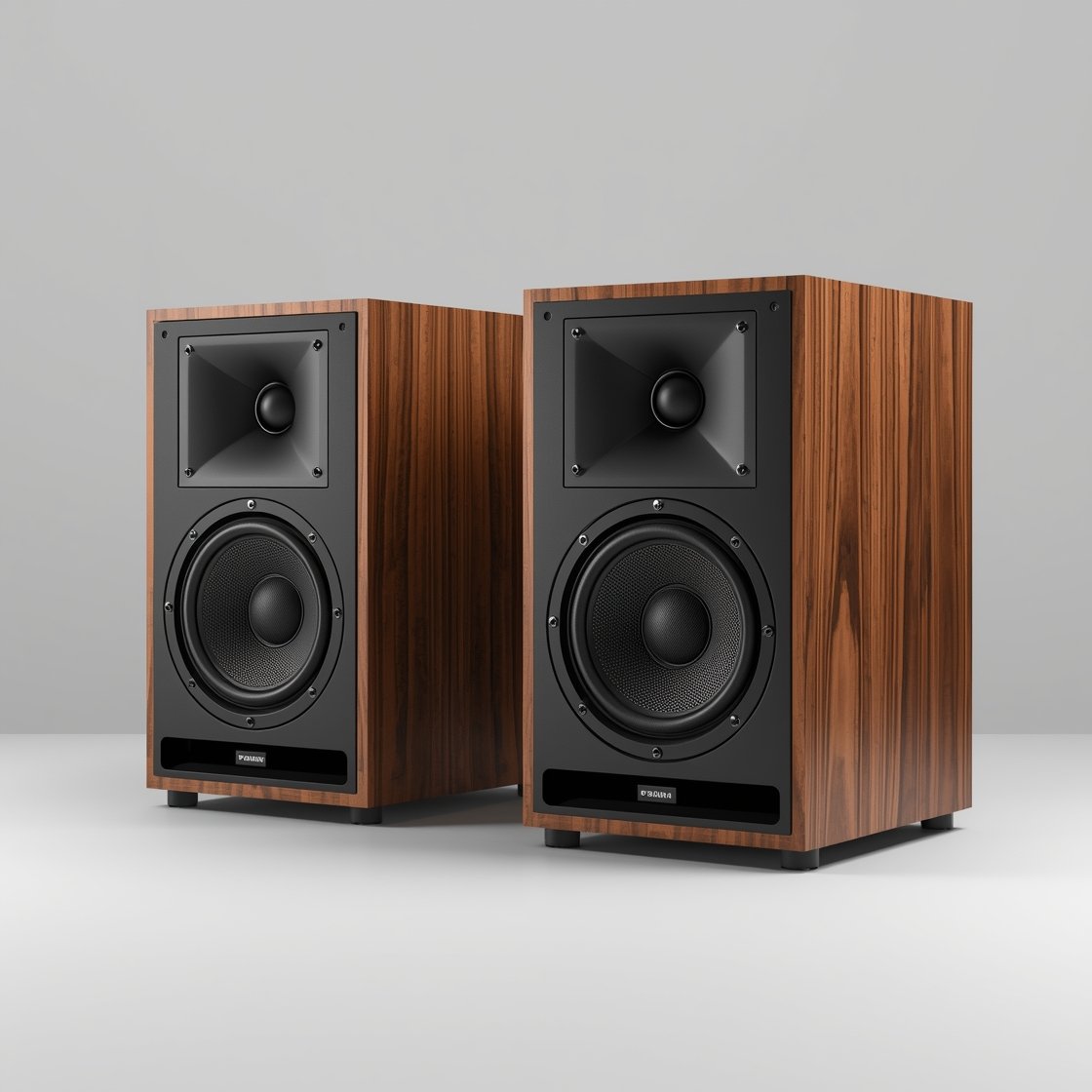
The Focal Shape 65 (~$1,798/pair) is the monitor experienced engineers reach for when they want superb top-end clarity without harshness. Focal’s inverted dome tweeter gives an open, refined high end that stays comfortable across long sessions, which matters more than people expect when you mix for eight hours.
Its practical advantage is adaptability: comprehensive rear controls let you tune the response to your specific room shape and placement, so they perform well even in imperfect spaces. The passive radiator design also means they work closer to walls than most rear-ported monitors.
They are pricey, but they are the pick when someone with twenty years of experience is asked for a professional recommendation.
Who should buy it: professionals and serious producers who want refined highs and real room adaptability.
Watch out for: expensive, and overkill if your room is untreated.
Focal Shape 65
Superb, fatigue-free top-end clarity plus extensive room-tuning controls and a design that tolerates wall proximity.
Check Price on Amazon4. Kali Audio LP-8 V2: Best Value 8-Inch
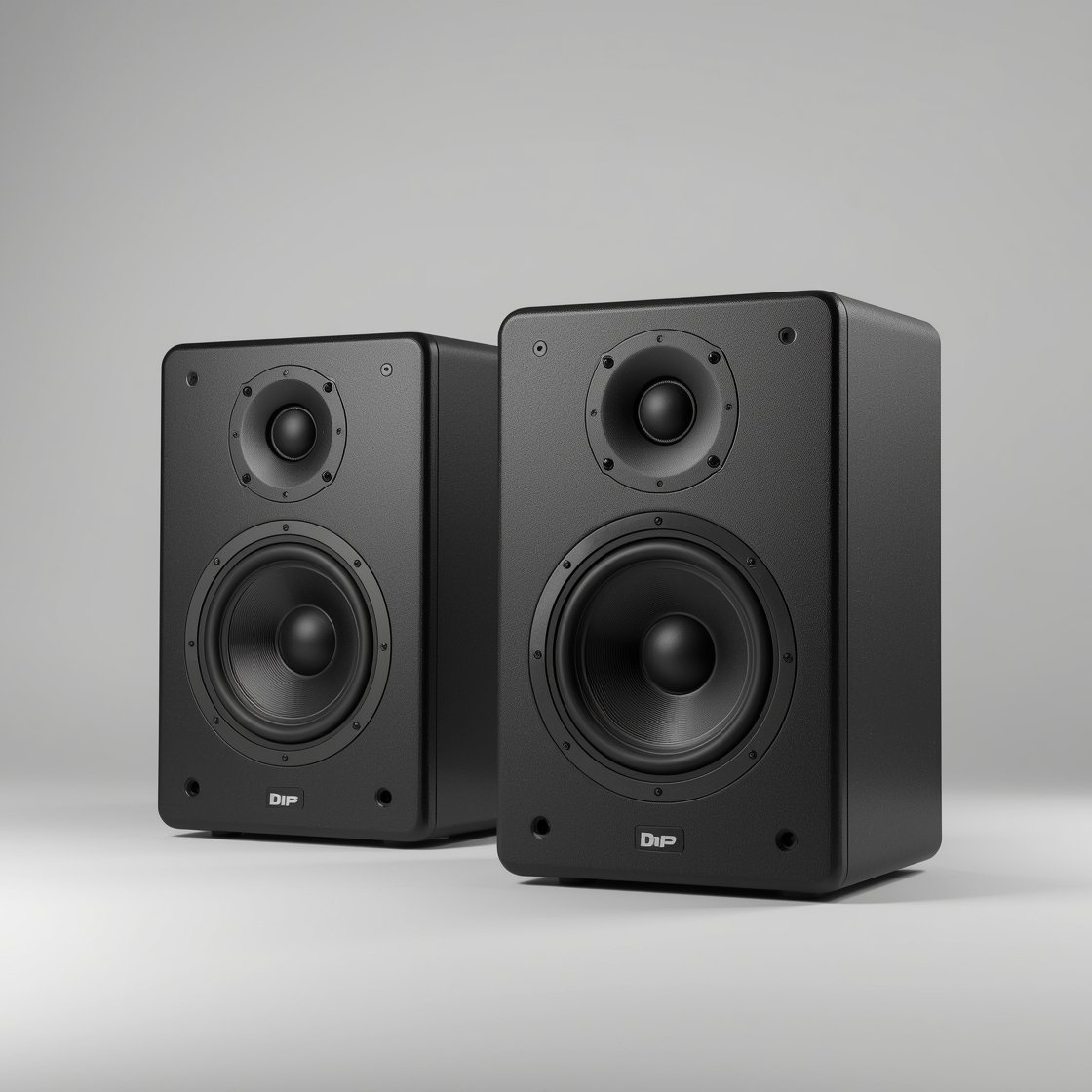
Kali Audio has built a reputation for delivering performance that embarrasses monitors costing twice as much, and the LP-8 V2 (~$598/pair) is the clearest example. You get a proper 8-inch woofer with genuine low-end extension for less than many 5-inch pairs cost.
The standout feature is the boundary EQ dip switches on the back. Kali gives you preset configurations for common placements, on a desk, against a wall, in a corner, so you can compensate for your actual room instead of pretending you have an ideal one. For home studios, that is genuinely useful engineering.
Imaging is precise and the low end is tight rather than bloated. If you want the full frequency picture on a budget, this is the smartest buy here.
Who should buy it: budget-conscious producers who need real low-end monitoring and room compensation.
Watch out for: 8-inch monitors overwhelm very small rooms; brand is newer than Yamaha or ADAM.
Kali Audio LP-8 V2
A real 8-inch woofer with boundary EQ switches that compensate for your actual room placement, at a remarkable price.
Check Price on Amazon5. Neumann KH 120 II: Best Room Calibration
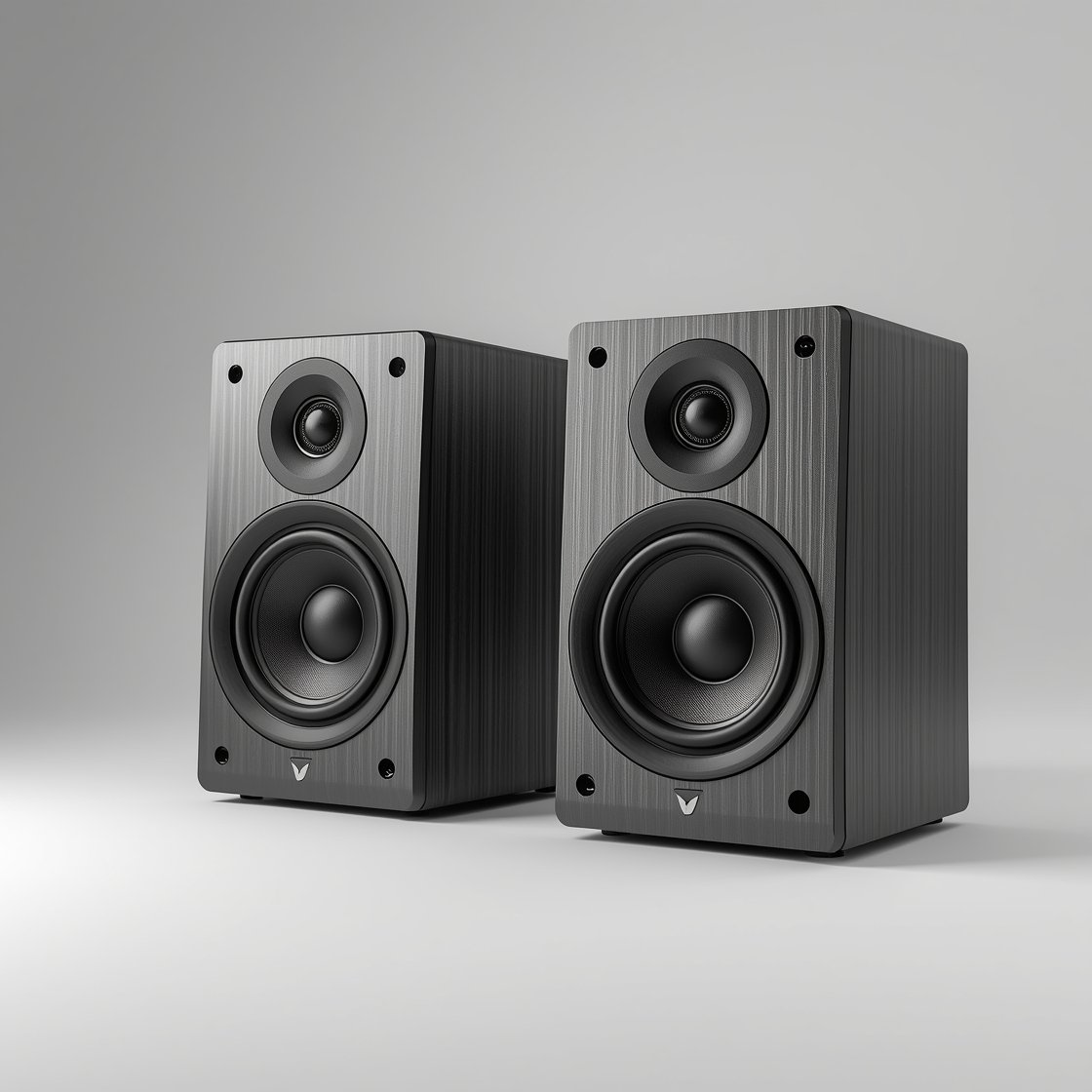
If you mix for clients, Neumann is the name that removes doubt. The updated KH 120 II (~$1,798/pair) adds internal DSP that works with Neumann’s MA 1 alignment microphone to measure your room and calibrate the speakers to it automatically, correcting the response errors your space introduces.
That is transformative in an imperfect room, which is every home studio. Rather than guessing at your low end, you get a measured, corrected response. And the bass extension from these compact 5.25-inch speakers is startlingly deep and accurate for the size.
They are expensive, and they are an investment in professional credibility as much as sound.
Who should buy it: professionals mixing for clients, and anyone with a problematic room who wants it measured and corrected.
Watch out for: the MA 1 microphone is a separate purchase; premium price.
Neumann KH 120 II
Internal DSP with MA 1 microphone calibration measures and corrects your room, plus remarkably deep bass for a compact monitor.
Check Price on Amazon6. JBL 308P MkII: Best Budget 8-Inch
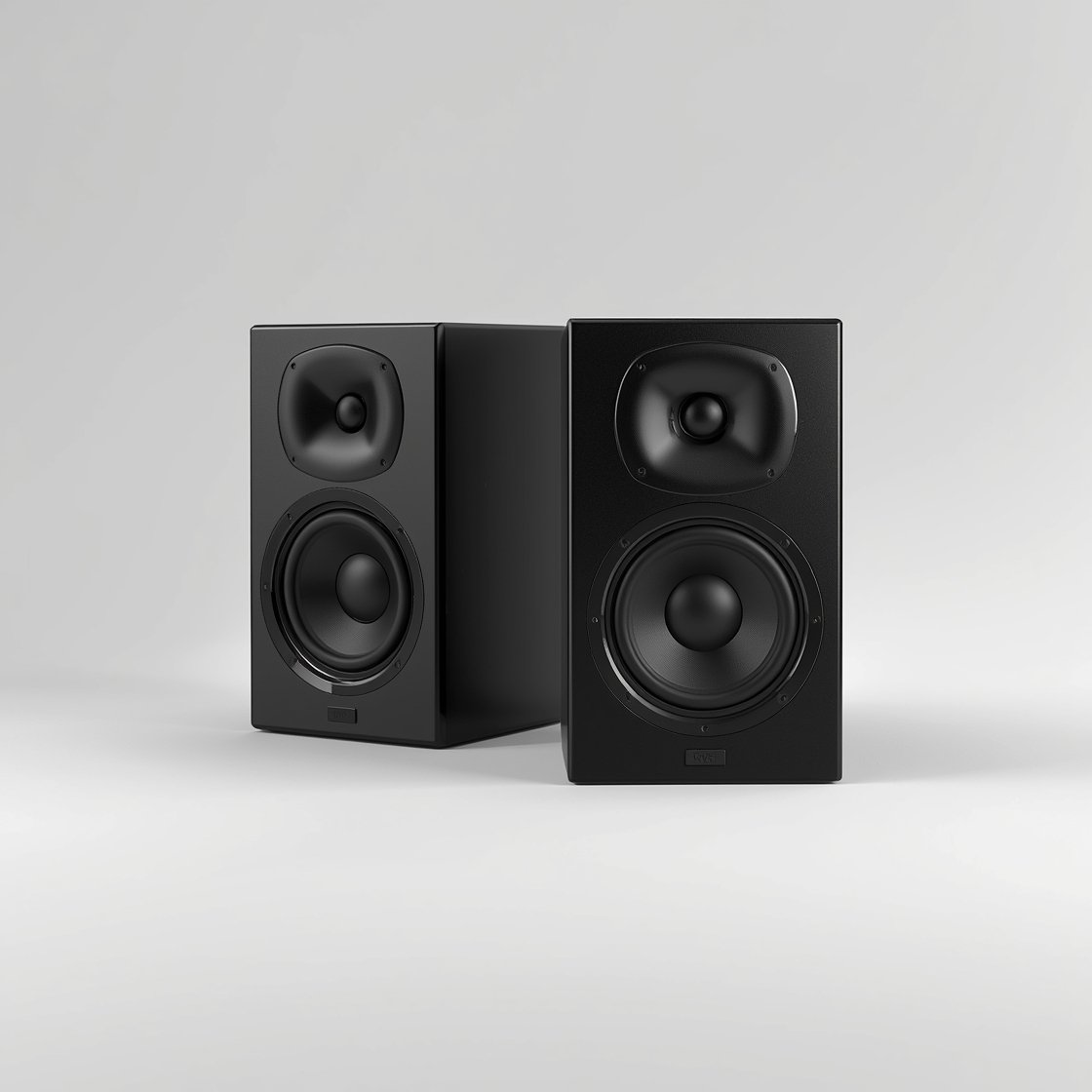
The JBL 3 Series is the value benchmark, and the 308P MkII (~$498/pair) brings JBL’s Image Control Waveguide, technology derived from their flagship studio monitors, to an entry price with an 8-inch woofer.
That waveguide is not marketing: it produces a notably wide, stable sweet spot, so your stereo image does not collapse the moment you lean out of the exact centre. For a home studio where you move around, that is genuinely helpful.
The low end is strong, sometimes a touch generous, so learn them with reference tracks. But as the cheapest way into 8-inch monitoring with professional imaging, they are hard to beat.
Who should buy it: budget producers who want 8-inch reach and excellent stereo imaging.
Watch out for: slightly hyped low end; rear-ported, so keep them off the wall.
JBL 308P MkII
JBL’s Image Control Waveguide gives a wide, stable sweet spot with an 8-inch woofer, at the best price in the category.
Check Price on Amazon7. Yamaha HS5: Best for Small Rooms
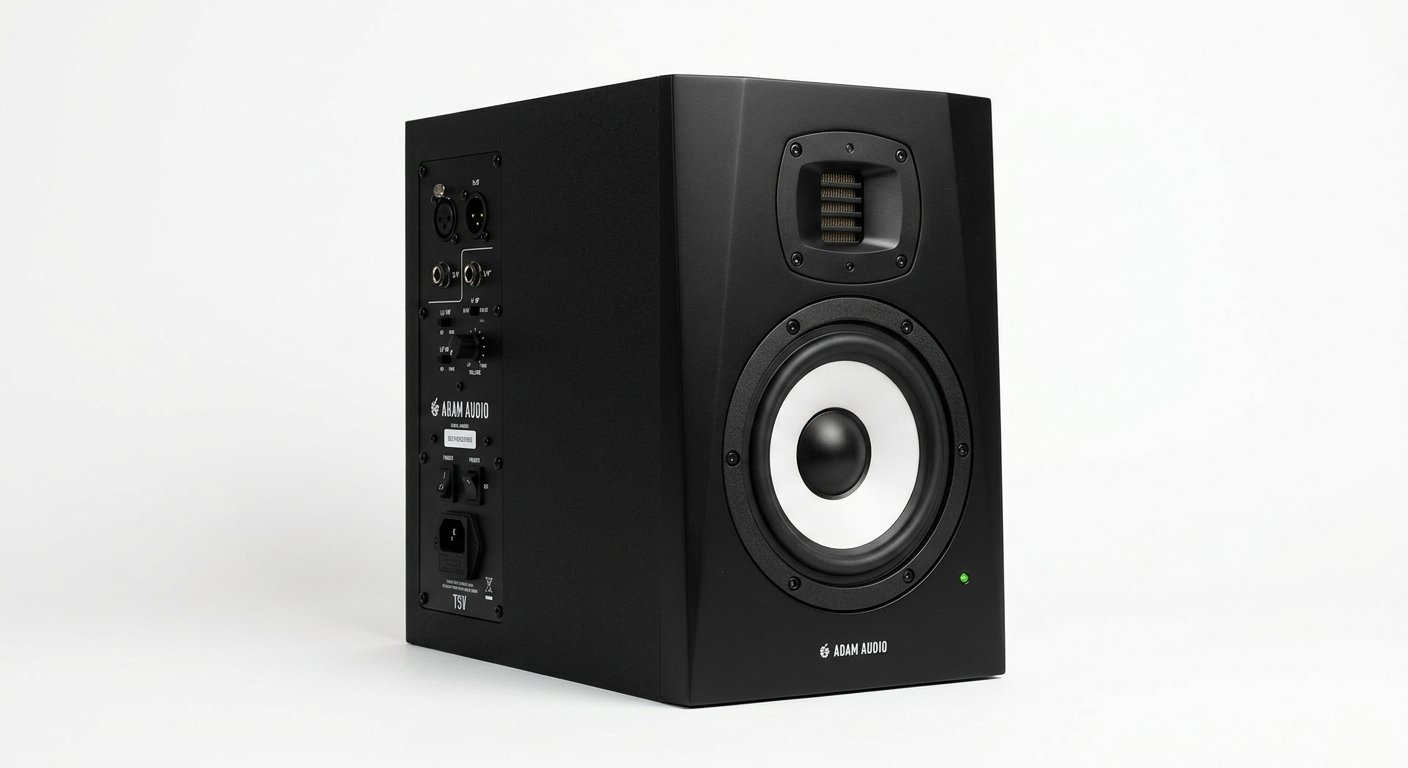
The HS5 (~$499/pair) is the HS8’s smaller sibling and the right answer when your room is genuinely small. In a 10x10ft bedroom, an 8-inch monitor produces more bass energy than the space can control, and the result is a boomy, misleading low end that makes your mixes worse, not better.
The HS5’s 5-inch woofer is faster, tighter, and far better behaved in small spaces. You get the same honest, unflattering Yamaha voicing that has made the HS line a reference for years.
The trade-off is real: it will not show you sub-bass, so check your low end on headphones before committing. But an HS5 in a small room beats an HS8 in the same room every time.
Who should buy it: anyone mixing in a bedroom or small untreated room.
Watch out for: limited low-end extension; you will need headphones for sub-bass checks.
Yamaha HS5
The same honest Yamaha reference voicing in a 5-inch cabinet that behaves properly in small, untreated rooms.
Check Price on AmazonHow to Choose Studio Monitors
Match woofer size to room size, this matters most
This is the decision people get wrong most often, and it costs them.
5-inch (HS5, Rokit 5): best for small bedrooms around 10x10ft. Fast transients and a controlled low end, but no real sub-bass, so you will need headphones to check the bottom octave.
7 to 8-inch (HS8, A7V, LP-8): best for treated rooms or larger spaces. These give you the full low-end picture down to around 38Hz. In an untreated small room, though, they excite bass modes and mislead you badly.
Bigger is not better. The right monitor is the one your room can actually support.
Your room matters more than your monitors
This is the uncomfortable truth: acoustic treatment and placement will improve your mixes more than any monitor upgrade. Position monitors at ear height, forming an equilateral triangle with your head, tweeters pointed at your ears. Keep them off the wall if rear-ported. Add absorption at first reflection points and bass trapping in corners before spending more on speakers.
Use stands, not your desk
Desks vibrate, and vibration muddies your low end. Proper monitor stands (ideally filled with sand) or at minimum isolation pads decouple the speakers from the surface. Engineers consistently report bass tightening noticeably after this single cheap change.
Room correction is worth considering
Some monitors now measure and correct for your room. The Neumann KH 120 II with the MA 1 microphone does this properly with DSP; Kali’s boundary EQ switches offer a simpler preset-based version. In an untreated home studio, this can be more valuable than upgrading to a more expensive but uncorrected monitor.
Active vs passive
Nearly every studio monitor today is active, with amplifiers built in and matched to the drivers by the manufacturer. That is what you want, you plug straight in from your interface, no separate amp to buy or match. Passive monitors are legacy gear for most home studios.
Connections
Look for balanced XLR or TRS inputs, which reject noise over longer cable runs and connect directly to any professional audio interface. Avoid monitors that only offer unbalanced RCA; that is a consumer speaker, not a studio monitor.
Learn your monitors with reference tracks
No monitor is accurate until you know it. Play commercial tracks you know intimately, in your genre, through your new monitors repeatedly. Your brain calibrates to the speaker, and that learned reference is what makes your mixes translate.
Frequently Asked Questions
What are the best studio monitors in 2026?
What size studio monitors should I buy?
Do studio monitors need acoustic treatment?
Should studio monitors go on stands or on the desk?
Are expensive studio monitors worth it?
What is the difference between studio monitors and regular speakers?
The Bottom Line
The Yamaha HS8 is the best studio monitor for most producers in 2026: honest, unflattering, and with enough low-end extension to make real bass decisions. For critical mixing, the ADAM Audio A7V and Focal Shape 65 are the professional choices, the Kali Audio LP-8 V2 is outstanding value, and if your room is small, the Yamaha HS5 will serve you far better than a bigger speaker.
Match the woofer to your room first, treat your space second, and use stands. Those three decisions will do more for your mixes than any amount of money spent on speakers alone.
See also our guide to the best studio monitors for a home studio if you are building a small setup on a budget, and pair them with the right audio interface and a complete home studio setup.