
- The Shure SM7B (~$399) is the best overall: broadcast sound with exceptional rejection of room noise in untreated spaces.
- Hybrid microphones with both USB and XLR outputs, like the Samson Q2U and Shure MV7+, remove the only irreversible buying decision.
- Dynamic microphones beat condensers for most podcasts because they reject fans, keyboards, and room reflections.
- The Rode PodMic (~$99) is the best value XLR, tuned specifically for speech rather than music.
- The SM7B needs roughly 60dB of clean gain; check your interface before buying or budget for a booster.
- A boom arm improves recordings more than a more expensive microphone does.
Podcasting asks something specific from a microphone, and it is not what music recording asks. You are capturing speech, usually in an ordinary room with a computer fan running and traffic outside, often for hours at a time. What matters is a microphone that hears your voice and ignores everything else.
Compiled by the Shlohmo editorial team. Last updated 18 July 2026.
Two decisions shape your whole setup: dynamic or condenser, and USB or XLR. Get those right and almost any microphone in this guide will sound good. Get them wrong and you will spend months fighting room noise or wishing you had bought something that scales. This guide ranks the seven best podcast microphones in 2026 and settles both questions.
How We Choose
These picks are compiled from manufacturer specifications, published measurements, and the documented consensus of professional reviewers and working podcasters. We compare published polar patterns, transducer type, frequency response, gain requirements and connectivity specifications directly against manufacturer documentation, and weigh them against how each microphone is discussed across established review outlets and podcasting communities.
We do not conduct independent hands-on testing of every product listed. Where a specification matters to a buying decision, we cite the manufacturer’s own documentation so you can verify it yourself. Prices are approximate and change frequently, so check current listings before purchasing.
USB vs XLR: Which Should You Buy?
This used to be a simple beginner-versus-professional split. In 2026 it is not, because the best podcast microphones now do both.
USB microphones
Plug straight into your computer. No interface, no phantom power, no gain staging, you are recording in about a minute. Modern USB-C models sound genuinely good, and many include a headphone jack for zero-latency monitoring. The limitation is that the preamp and converter are built in, so you cannot upgrade them, and adding a second person means buying a second USB mic and wrestling with your software.
Choose USB if: you record solo, want the simplest possible setup, and do not plan to expand.
XLR microphones
Plug into an audio interface, which then connects to your computer. That is one more box and one more purchase, but it gives you better preamps, real gain control, and a path to two, three, or four microphones as your show grows. It is the professional standard for a reason.
Choose XLR if: you record guests in the room, want the best sound, or expect to scale up.
The answer most people want: hybrid
Microphones like the Samson Q2U, ATR2100x, and Shure MV7+ have both outputs on the same body. Start on USB today with zero extra gear, add an interface in a year, and keep the same microphone. For a first podcast mic this removes the only genuinely irreversible decision, which is why we recommend hybrid to most people starting out.
Best Podcast Microphones in 2026: Quick Comparison
| Microphone | Best for | Connection | Approx. price |
|---|---|---|---|
| Shure SM7B | Best overall | XLR | ~$399 |
| Rode PodMic | Best value XLR | XLR | ~$99 |
| Shure MV7+ | Best hybrid | USB + XLR | ~$279 |
| Samson Q2U | Best budget | USB + XLR | ~$69 |
| Rode NT-USB+ | Best pure USB | USB | ~$169 |
| Audio-Technica ATR2100x | Best budget alternative | USB + XLR | ~$99 |
| Elgato Wave DX | Best for streamers | XLR | ~$99 |
1. Shure SM7B: Best Overall
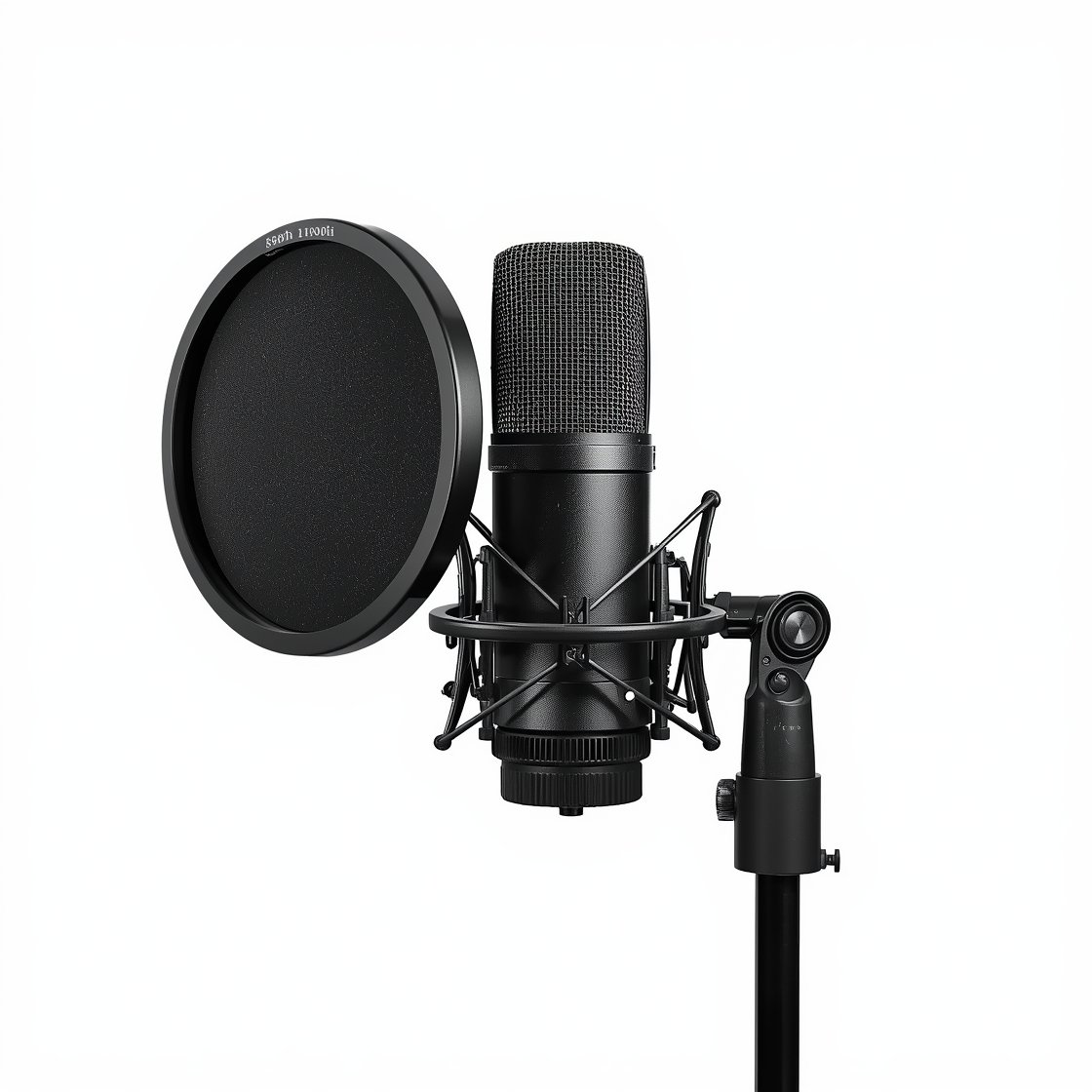
The SM7B (~$399) is the microphone behind an enormous share of professional podcasts, and the reason is not glamour, it is noise rejection. As a dynamic mic with an unusually tight cardioid pattern, it hears your voice and largely ignores the room, the laptop fan, and the street. Reviewers working in untreated rooms consistently rank it the clearest winner by a wide margin, with background noise that stays genuinely inaudible under speech.
The tonal character suits speech perfectly: warm and full without muddiness, with a built-in pop filter and bass roll-off switch that handles plosives most mics need external help with. It also survives being knocked about, which matters when guests handle it (Shure’s official SM7B page).
The catch is real and often understated: it needs roughly 60dB of clean gain. Budget interfaces run out and leave you with a hissy signal, so factor in either a strong interface or a Cloudlifter-style booster, which adds $100+ to the true cost.
Who should buy it: serious podcasters recording in ordinary rooms who want broadcast sound.
Watch out for: needs high gain, so check your interface before buying.
Shure SM7B
The broadcast standard: exceptional room-noise rejection, warm speech tone, and a built-in pop filter for untreated rooms.
Check Price on Amazon2. Rode PodMic: Best Value XLR
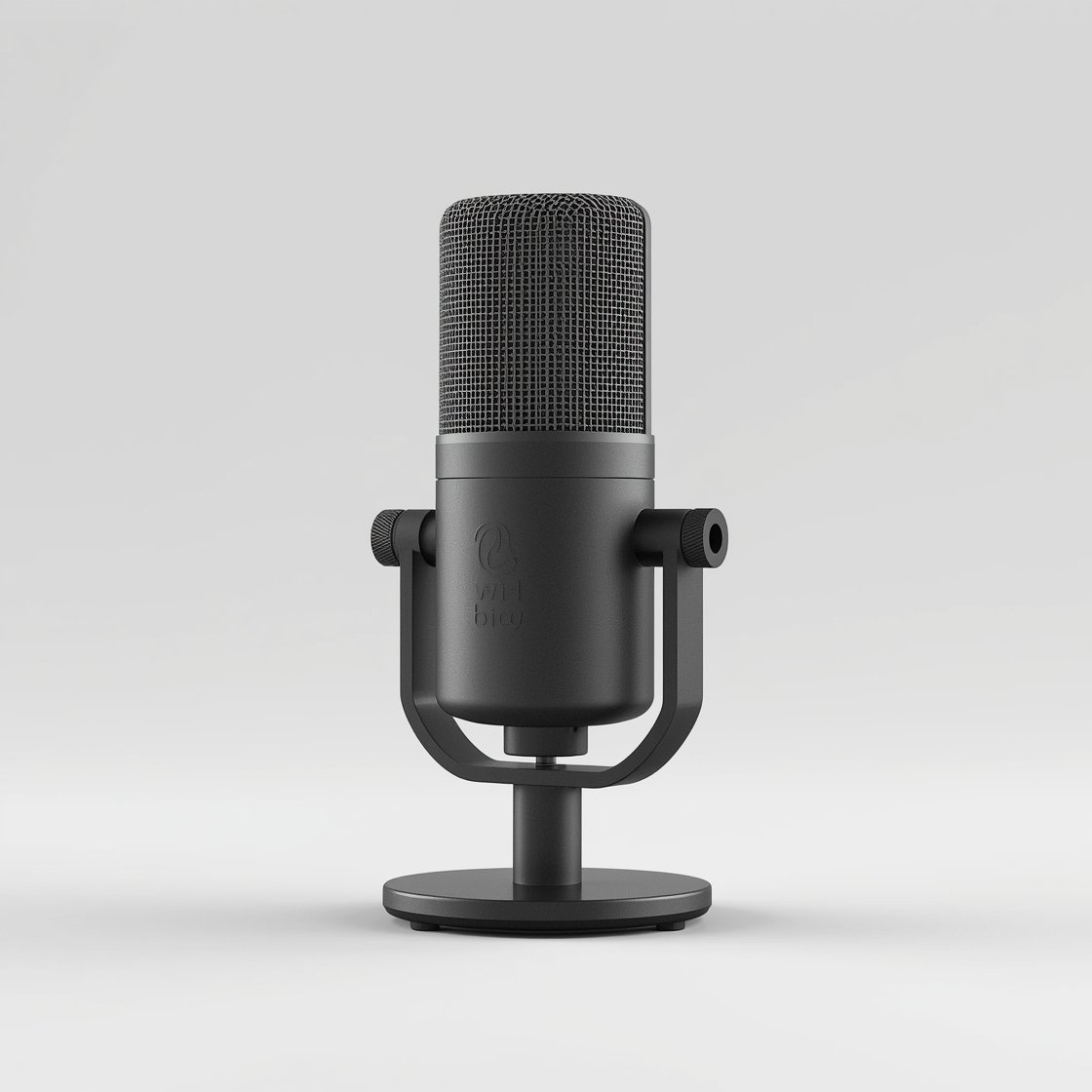
The PodMic (~$99) was designed for podcasting specifically, and that focus shows in the tuning. Rode voiced it for speech rather than music, with a forward midrange that makes voices cut through and a low-end lift that adds broadcast weight without turning boomy.
Reviewers consistently report clean, punchy speech in an average room, giving up surprisingly little to the SM7B for a quarter of the price. The internal pop filter handles plosives well at close range, and the integrated swing mount means one fewer accessory to buy.
It needs less gain than the SM7B, so it works with more modest interfaces. The trade-off is that it is XLR-only, so an interface is mandatory rather than optional.
Who should buy it: podcasters who already own an interface and want the best sound per dollar.
Watch out for: XLR only, and it is heavy enough to need a sturdy boom arm.
Rode PodMic
Tuned specifically for speech with a forward midrange and internal pop filter: near-SM7B results at a quarter of the price.
Check Price on Amazon3. Shure MV7+: Best Hybrid
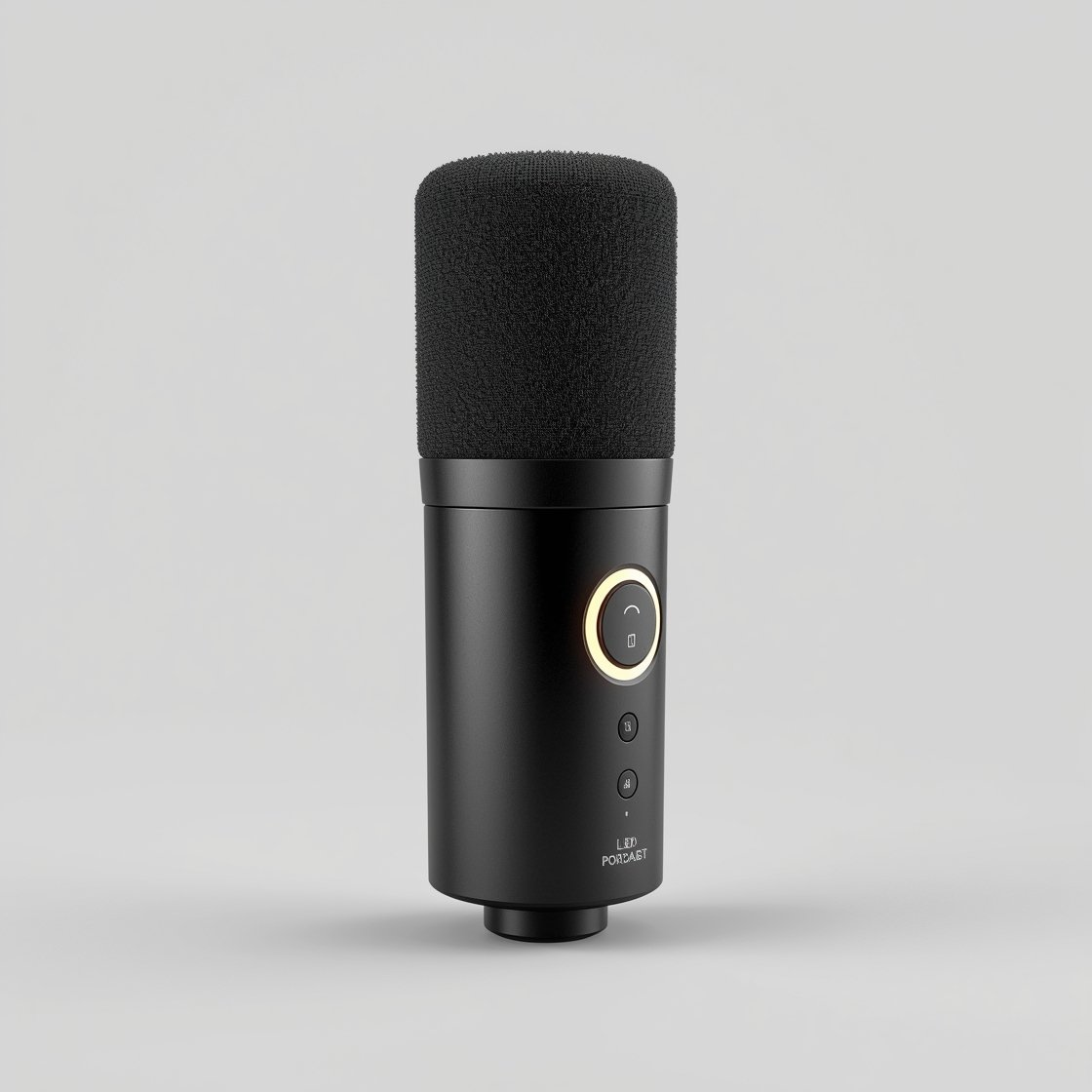
The MV7+ (~$279) is what happens when Shure builds an SM7B for people who do not want an interface. It uses the same dynamic, tight-pattern approach for room rejection, but adds a USB-C output alongside the XLR, so it works either way on the same body.
The USB side is where it earns its price. Onboard DSP handles real-time noise reduction, automatic level setting, and tone shaping, so a first-time podcaster gets a usable, consistent recording without understanding gain staging. The touch panel with its LED ring doubles as a level meter, which is genuinely useful when you record yourself.
Reviewers consistently report the USB path sounding very close to the XLR path, which is not always true of hybrids. That makes it a rare microphone you can start with and never need to replace.
Who should buy it: podcasters who want SM7B-style rejection with plug-and-play simplicity and room to grow.
Watch out for: the DSP processing is baked into USB recordings, which some prefer to do in post.
Shure MV7+
USB-C and XLR on one body with onboard DSP noise reduction and auto-levelling: start simple, scale later, same mic.
Check Price on Amazon4. Samson Q2U: Best Budget
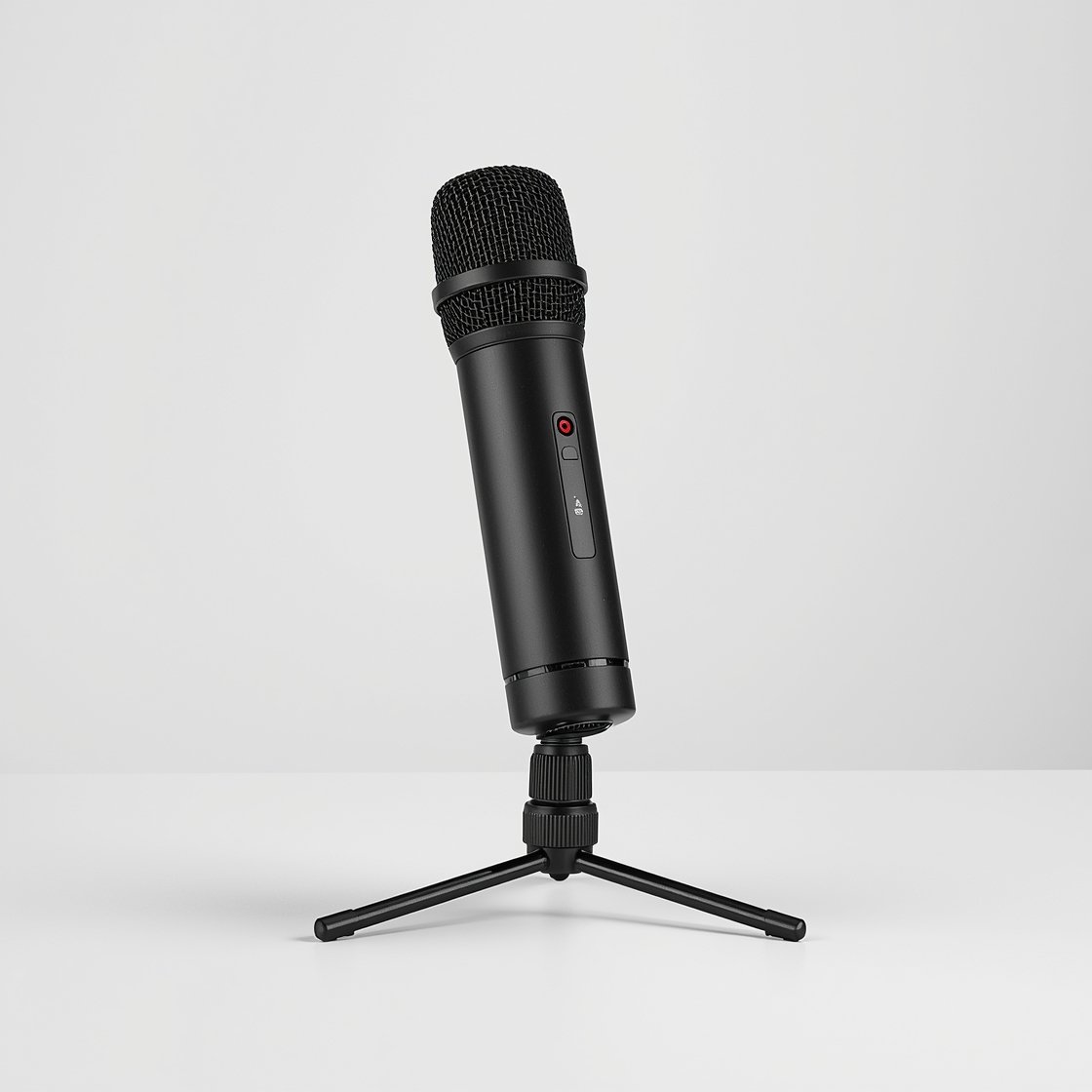
The Q2U (~$69) is the microphone most often recommended to people starting their first show, because it removes every excuse. It is a dynamic cardioid mic that rejects room noise properly, it has both USB and XLR outputs, and it includes a headphone jack for zero-latency monitoring, all for under $70.
That hybrid output is the whole argument. You can record your first fifty episodes plugged straight into a laptop, then buy an interface and keep using the identical microphone. Very little else at this price gives you an upgrade path rather than a dead end.
The sound is honest rather than rich, the frequency response tops out around 15kHz, and the build is plastic. But it captures clear, intelligible speech with low noise, which is the entire job.
Who should buy it: first-time podcasters, and anyone testing whether they will stick with it.
Watch out for: modest high-end detail and a budget-grade build.
Samson Q2U
USB and XLR outputs plus headphone monitoring for under $70: the cheapest podcast mic with a real upgrade path.
Check Price on Amazon5. Rode NT-USB+: Best Pure USB
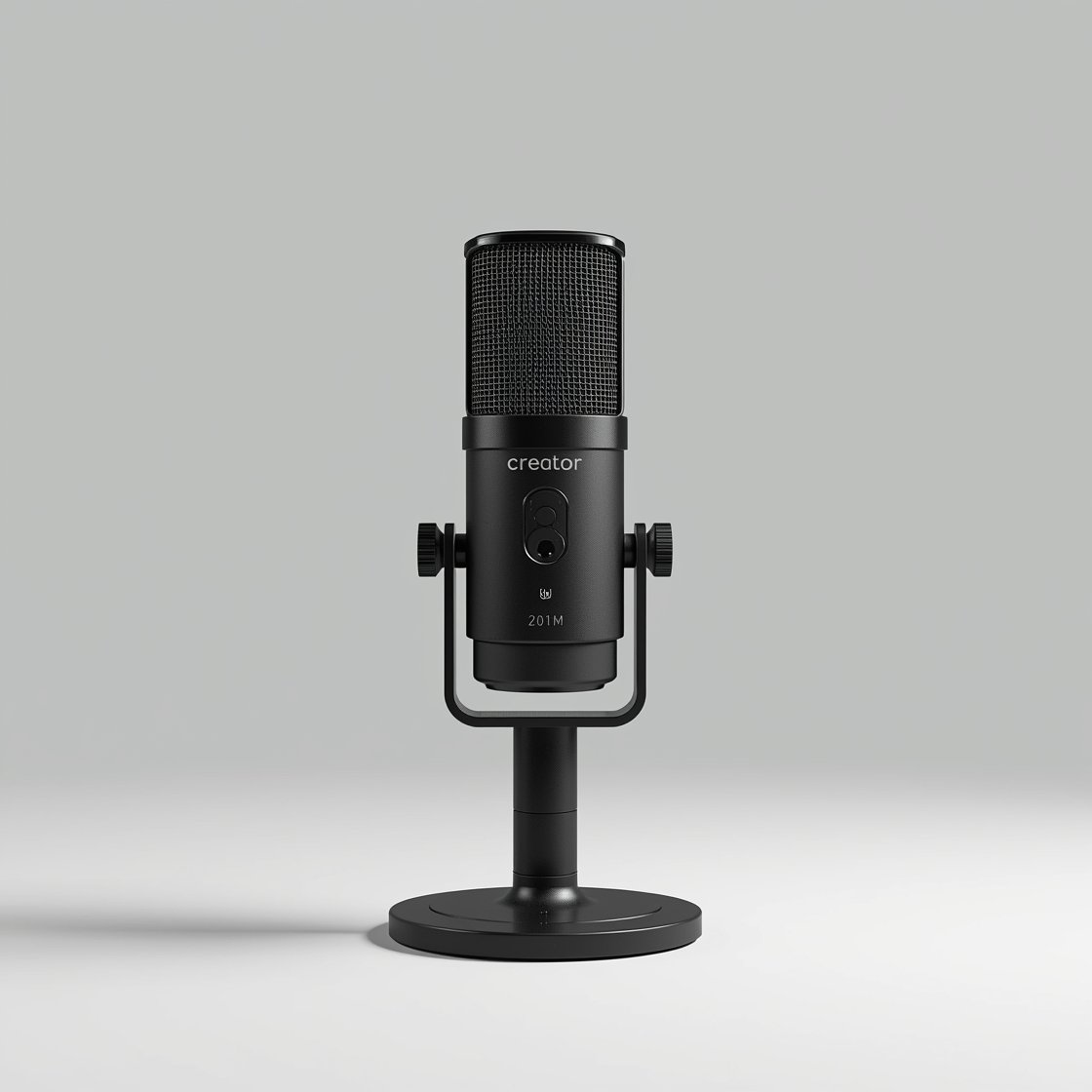
If your room is reasonably quiet and you want the most detailed voice possible over USB, the NT-USB+ (~$169) is the pick. It is a studio condenser rather than a dynamic, so it captures far more nuance and air in a voice, the difference between “clear” and “produced.”
Rode built in a high-quality preamp and converter plus onboard DSP with compression, noise gating, and EQ via their software (Rode’s official NT-USB+ page). The integrated pop filter and desk stand mean it works properly out of the box.
Being a condenser is also its limitation. In untreated rooms reviewers consistently report it picking up noticeably more keyboard clatter and room reflection than any dynamic here. If your recording space is noisy or shared, choose a dynamic instead.
Who should buy it: solo podcasters in quiet rooms who want maximum detail with no interface.
Watch out for: condenser sensitivity picks up room noise; USB only, no XLR path.
Rode NT-USB+
A studio condenser with a quality onboard preamp and DSP: the most detailed voice you can get straight over USB.
Check Price on Amazon6. Audio-Technica ATR2100x: Best Budget Alternative
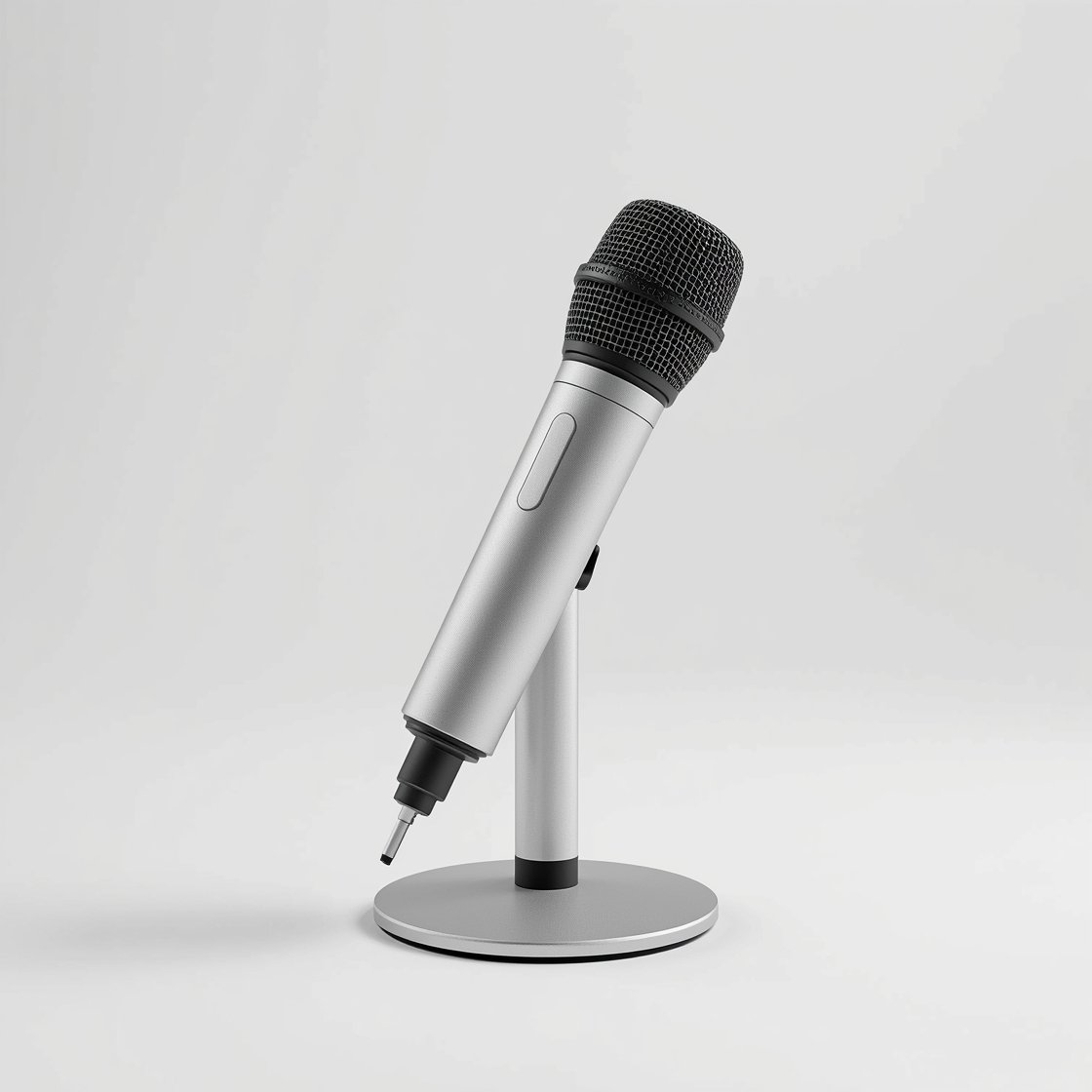
The ATR2100x (~$99) is the Q2U’s closest rival and, to many ears, the slightly better-sounding one. It is the same formula, a dynamic cardioid with USB-C and XLR outputs and a headphone jack, but Audio-Technica’s capsule gives voices a little more depth and body when you work close to it.
It isolates well in ordinary rooms, which is the point of choosing a dynamic, and the USB-C connection is more future-proof than older micro-USB budget mics. Reviewers frequently pick it for deeper voices, where the Q2U can sound slightly thin.
At $30 more than the Q2U it is not the cheapest option, but it is the better one if your budget stretches.
Who should buy it: budget podcasters who want the best-sounding hybrid under $100.
Watch out for: the included desk stand is small, a boom arm improves it considerably.
Audio-Technica ATR2100x
USB-C and XLR with a capsule that adds depth to close-up voices: the best-sounding hybrid microphone under $100.
Check Price on Amazon7. Elgato Wave DX: Best for Streamers
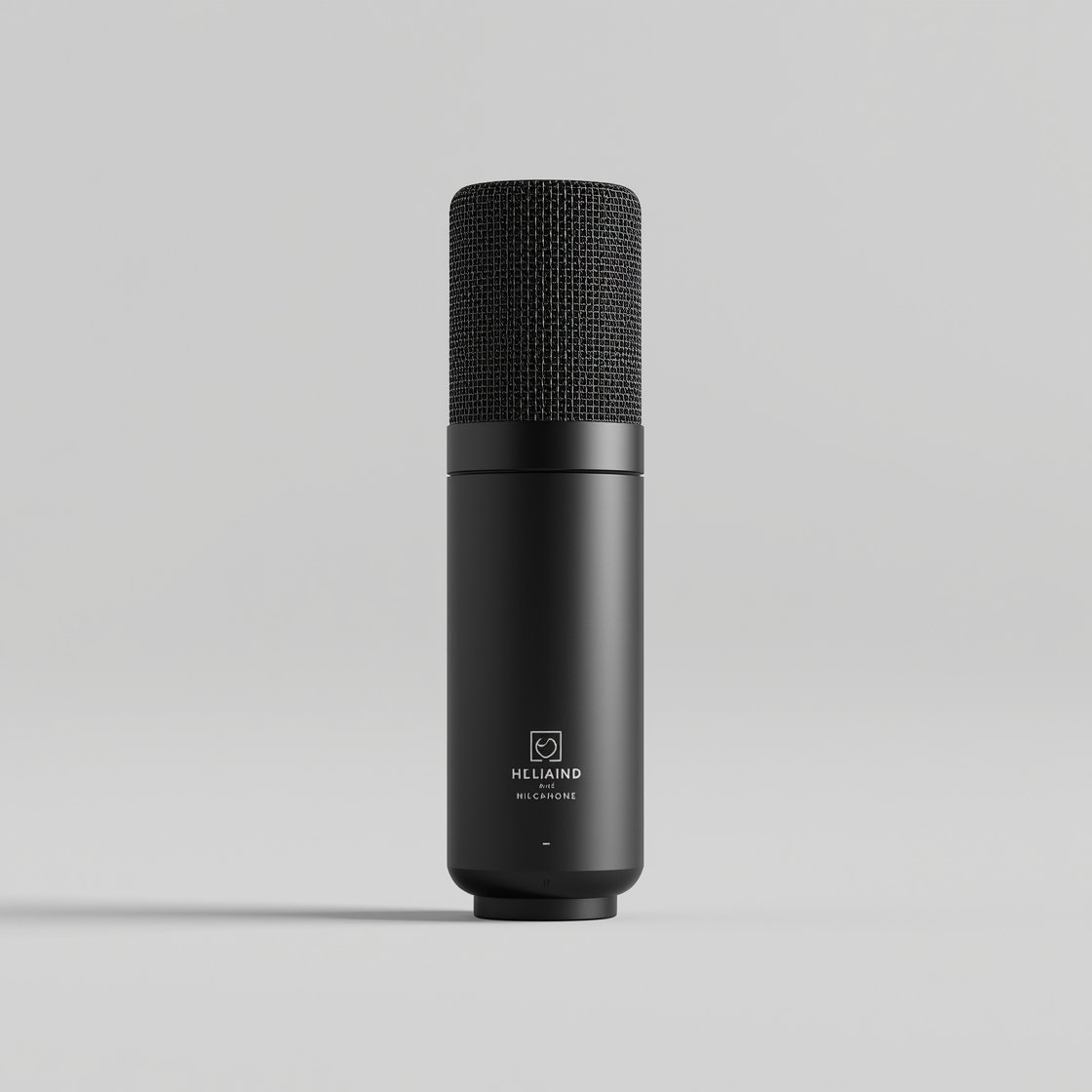
The Wave DX (~$99) is Elgato’s answer to the SM7B at roughly a quarter of the price, and for streamers already inside Elgato’s ecosystem it is the obvious choice. It is a dynamic XLR mic tuned for speech, with strong off-axis rejection that keeps mechanical keyboards and PC fans out of the stream.
What separates it is how little it asks of you. It is voiced to sound good without EQ, needs no pop filter at normal distance, and pairs directly with Elgato’s Wave XLR interface for a clean two-box setup that looks tidy on camera.
It is XLR-only, so an interface is required, and it does not match the SM7B’s outright rejection in a genuinely noisy room. For a typical streaming desk, it gets very close for far less.
Who should buy it: streamers and podcasters who want SM7B-style sound on an Elgato-based setup.
Watch out for: XLR only, and best paired with Elgato’s own interface.
Elgato Wave DX
Tuned to sound right with no EQ and strong off-axis rejection: SM7B-style streaming sound at a quarter of the price.
Check Price on AmazonWhat Matters in a Podcast Microphone
Dynamic beats condenser for most podcasts
This is the decision that saves the most grief. Dynamic microphones are less sensitive, so they capture your voice and reject the fan, the keyboard, and the room. Condensers capture more detail but hear everything, including problems you cannot fix later. Unless your room is quiet and treated, choose a dynamic. Every top pick in this guide except the NT-USB+ is one, and that is not an accident.
Cardioid pattern, and why it matters with guests
Nearly all podcast mics are cardioid, picking up sound from the front and rejecting the rear. That is right for a solo host or a two-person setup facing each other. If you record a round table with several people, look for supercardioid patterns, whose tighter pickup and different rejection angles handle multiple mics in one room with less bleed.
Check the gain your mic needs
The single most common podcast setup mistake. The SM7B and similar low-output dynamics want around 60dB of clean gain; if your interface cannot supply it, you get a quiet, hissy recording and blame the microphone. Check the spec before you buy, and see our audio interface guide for units with enough headroom.
Accessories that actually matter
A boom arm is the upgrade podcasters notice most, it keeps the mic at a consistent distance and off the desk, away from typing vibration. A pop filter stops plosives if your mic lacks a good internal one. And you must monitor on closed-back headphones, since open-backs leak into the microphone.
Your room matters more than your microphone
A $400 mic in an echoey room sounds worse than a $70 mic in a soft one. Record in a space with carpet, curtains, and furniture rather than bare walls, and get the microphone close to your mouth, 4 to 6 inches, which naturally reduces how much room you capture.
Frequently Asked Questions
What is the best microphone for podcasting in 2026?
Should I get a USB or XLR microphone for podcasting?
Is a dynamic or condenser microphone better for podcasting?
Why does the Shure SM7B need so much gain?
Can I podcast with just a USB microphone?
What else do I need besides a podcast microphone?
The Bottom Line
The Shure SM7B is the best podcast microphone in 2026 if budget allows and your interface has the gain: nothing else rejects an ordinary room this well. For most people starting out, though, a hybrid is the smarter buy, the Samson Q2U at ~$69 or the ATR2100x at ~$99 let you begin on USB and add an interface later without changing microphones. Already have an interface? The Rode PodMic is outstanding value.
Choose dynamic over condenser unless your room is quiet, check the gain requirement before you buy, and spend on a boom arm before you spend on a more expensive mic.
Next, pair it with the right audio interface, monitor on closed-back studio headphones, and see our vocal microphone guide if you also record music.