
- The Focusrite Scarlett 2i2 4th Gen (~$199) is the best overall: 69dB of gain drives an SM7B without a booster, plus Air mode and Clip Safe.
- Gain range is the spec that decides everything; a Shure SM7B needs roughly 60dB of clean gain or you get hiss.
- The Audient iD4 MkII (~$199) has the best-sounding preamp for a single voice, using a console-grade Class-A discrete design.
- Decide between clean preamps (MOTU M2, Scarlett) and coloured ones (SSL 4K, Volt Vintage) based on who mixes the track.
- Direct monitoring is non-negotiable for vocals because a singer cannot perform against a delay.
- Input count, sample rates above 96kHz, and software bundles barely matter when one person sings into one microphone.
Recording vocals asks more of an audio interface than almost anything else. A guitar DI is forgiving; a voice is not. You need enough clean gain that a quiet passage does not vanish into hiss, a preamp that flatters rather than flattens, and monitoring latency low enough that a singer can actually perform rather than fight a delay in their headphones.
Compiled by the Shlohmo editorial team. Last updated 18 July 2026.
The specs that matter for vocals are a narrow set: gain range, preamp character, and monitoring latency. Input count, sample rate, and bundled software barely move the needle when one person is singing into one microphone. This guide ranks the seven best audio interfaces for vocal recording in 2026 against exactly those criteria.
How We Choose
These picks are compiled from manufacturer specifications, published measurements, and the documented consensus of professional reviewers and working producers. We compare published input counts, preamp gain ranges, converter specifications and round-trip latency figures directly against manufacturer documentation, and weigh them against how each interface is discussed across established review outlets and production communities.
We do not conduct independent hands-on testing of every product listed. Where a specification matters to a buying decision, we cite the manufacturer’s own documentation so you can verify it yourself. Prices are approximate and change frequently, so check current listings before purchasing.
Best Audio Interfaces for Vocals in 2026: Quick Comparison
| Interface | Best for | Mic gain | Approx. price |
|---|---|---|---|
| Focusrite Scarlett 2i2 4th Gen | Best overall | 69dB | ~$199 |
| Audient iD4 MkII | Best preamp, solo vocals | 58dB | ~$199 |
| SSL 2+ MkII | Best vocal character | 62dB | ~$229 |
| Universal Audio Volt 276 | Best with compression | 55dB | ~$299 |
| MOTU M2 | Most transparent | 60dB | ~$199 |
| Focusrite Scarlett Solo 4th Gen | Best budget | 69dB | ~$139 |
| UA Apollo Twin X | Best premium | 65dB | ~$799 |
1. Focusrite Scarlett 2i2 4th Gen: Best Overall for Vocals
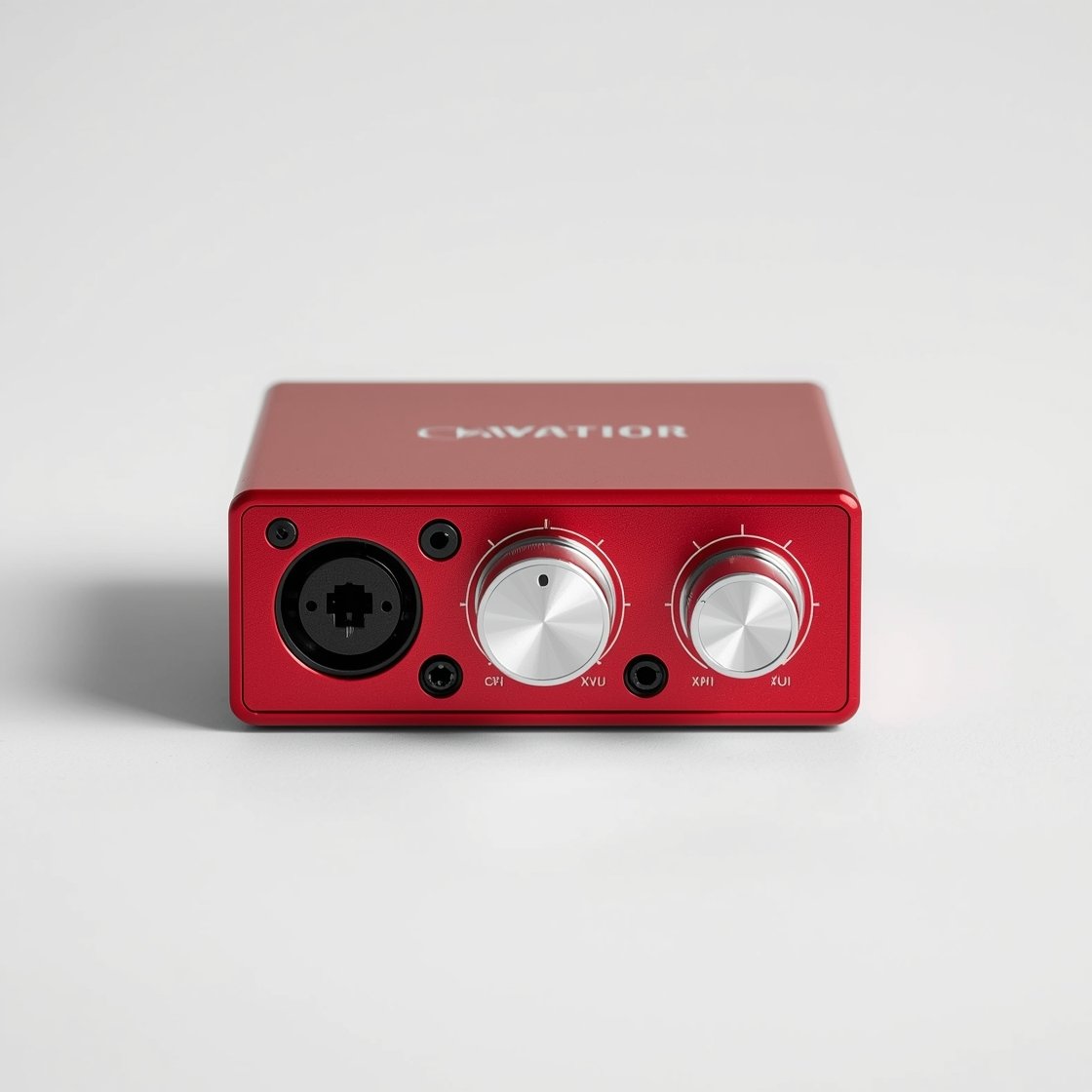
The Scarlett 2i2 4th Gen (~$199) is the vocal interface most people should buy, and the reason is a spec that sounds boring until it bites you: 69dB of gain. That is enough to drive a Shure SM7B, the most gain-hungry popular vocal mic, to a healthy level without a Cloudlifter or an inline booster. Plenty of interfaces at this price cannot, and the result is a thin, hissy vocal you cannot rescue in the mix.
Air mode is the other reason it leads. The 4th Gen version emulates Focusrite’s ISA console preamp, adding a presence lift in the upper mids that flatters most voices. Reviewers consistently prefer the Air version on the same take, which is exactly the kind of easy win a vocalist wants at the tracking stage rather than in a plugin later (details on Focusrite’s official Scarlett 2i2 page).
Auto Gain and Clip Safe matter more for vocals than for anything else, because you are usually recording yourself with no engineer watching the meters. Auto Gain listens to you sing and sets the level; Clip Safe pulls the gain back in real time before a loud line distorts.
Who should buy it: almost anyone recording vocals at home, especially with a dynamic mic.
Watch out for: the preamps are clean rather than characterful, if you want colour, look at the SSL or Volt.
Focusrite Scarlett 2i2 4th Gen
69dB of clean gain drives an SM7B without a booster, plus ISA-emulating Air mode and Clip Safe for self-recording.
Check Price on Amazon2. Audient iD4 MkII: Best Preamp for Solo Vocals
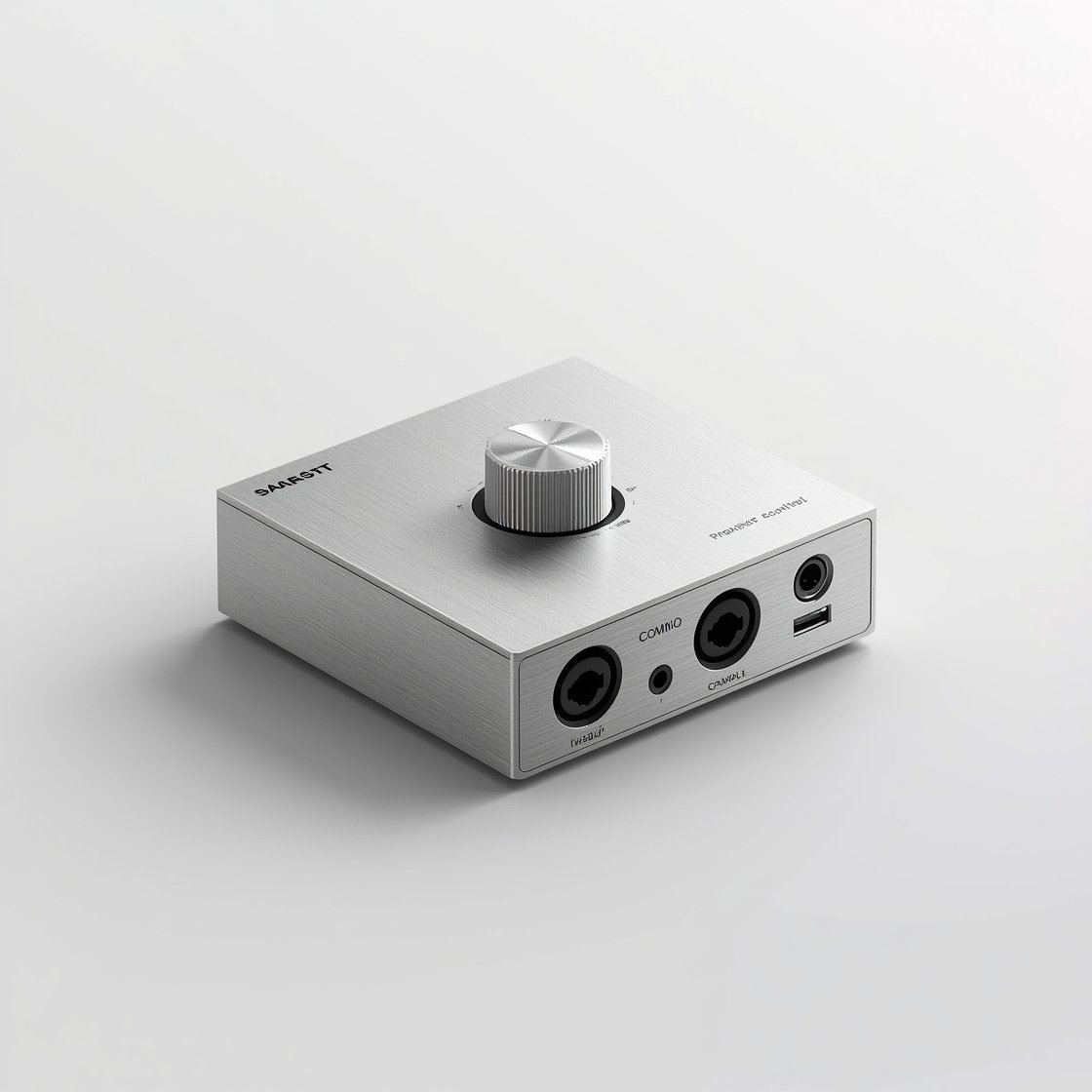
If you record one voice and nothing else, the iD4 MkII (~$199) is the interface that will make it sound best. Audient builds professional recording consoles, and the iD4 uses the same Class-A discrete mic preamp found in that hardware. On vocals it is warmer and more open than anything else at this price, with a natural top end that never turns brittle when a singer pushes.
Reviewers frequently return to this preamp for deeper, baritone voices, where the Scarlett’s cleanliness can read as slightly clinical. The 58dB of gain is a little lower than the Scarlett’s, which is worth knowing if you own an SM7B, it works, but you will be near the top of the dial.
The trade-off is obvious and deliberate: one mic input. You cannot record a duet or a two-person podcast. For a solo vocalist, that is a feature, not a limitation, because the money went into preamp quality instead of a second channel you would never use.
Who should buy it: solo vocalists, voiceover artists, and singer-songwriters who value tone over input count.
Watch out for: one mic input only, and less gain than the Scarlett for very quiet dynamics.
Audient iD4 MkII
A console-grade Class-A discrete preamp that flatters voices: the best-sounding single-mic interface at this price.
Check Price on Amazon3. SSL 2+ MkII: Best Vocal Character
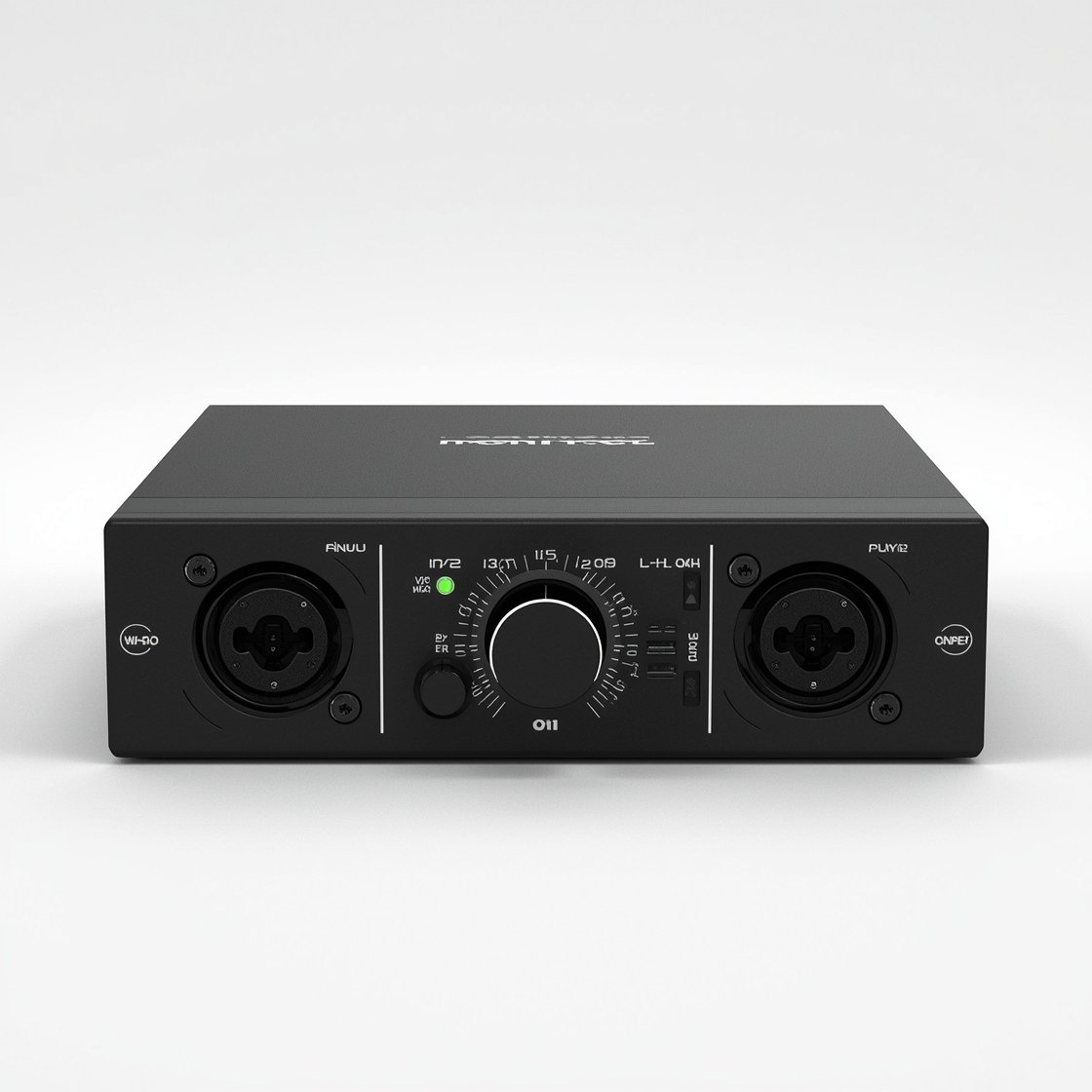
Solid State Logic consoles are behind thousands of hit records, and the SSL 2+ MkII (~$229) puts a piece of that on your desk. The headline for vocalists is the 4K button, which adds the high-frequency sheen and gentle harmonic saturation associated with SSL’s 4000-series desks. Press it and a vocal sits forward in the mix with a polish that usually costs far more (see SSL’s official specifications).
It is not subtle, and that is the point. Where Air is a gentle presence lift, 4K is closer to running the take through a console channel. Reviewers widely describe it as the fastest way to make a raw home vocal sound finished, though it commits you to that character at the tracking stage.
The practical bonus is two independent headphone outputs. If you produce for other vocalists, the singer and the engineer can each set their own level without a splitter, which almost nothing else under $250 offers.
Who should buy it: producers recording other singers, and anyone who wants console colour on the way in.
Watch out for: 4K is a committed sound; if you prefer to shape vocals later, choose a cleaner preamp.
SSL 2+ MkII
The 4K button brings SSL console sheen to your vocal takes, plus dual headphone outs for tracking other singers.
Check Price on Amazon4. Universal Audio Volt 276: Best With Built-In Compression
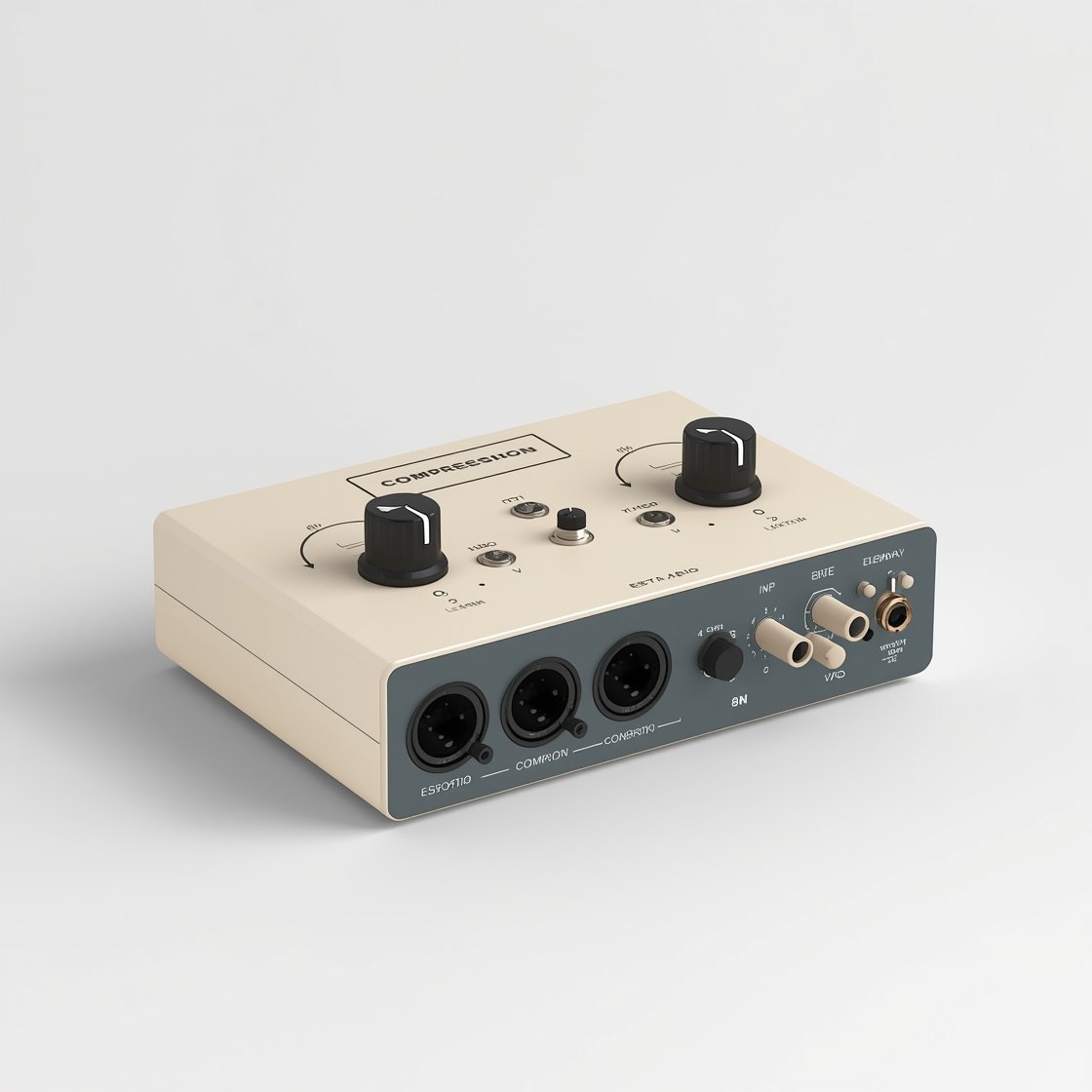
The Volt 276 (~$299) is the interface for vocalists who want the recording to sound like a record before it reaches the DAW. Its Vintage mode adds tube-style warmth that thickens thin voices, and the built-in 76-style analog compressor, modelled on UA’s 1176, lets you print gentle compression on the way in exactly as engineers did for decades (Universal Audio’s official Volt page).
That compressor is genuinely useful for home recording. It has three presets, and the VOC setting tames the peaks of an untrained singer without you needing to understand attack and release. Reviewers consistently report that it makes loud passages usable that would otherwise have clipped or jumped forward in the mix.
The gain figure (55dB) is the lowest here, so an SM7B will be a stretch. Pair it with a condenser or a more sensitive dynamic and it shines.
Who should buy it: vocalists who want analog warmth and compression at the source rather than plugins later.
Watch out for: lowest gain in this guide, and the compressor is preset-based, not fully adjustable.
Universal Audio Volt 276
Vintage tube-style warmth plus a built-in 1176-inspired compressor with a dedicated vocal preset.
Check Price on Amazon5. MOTU M2: Most Transparent
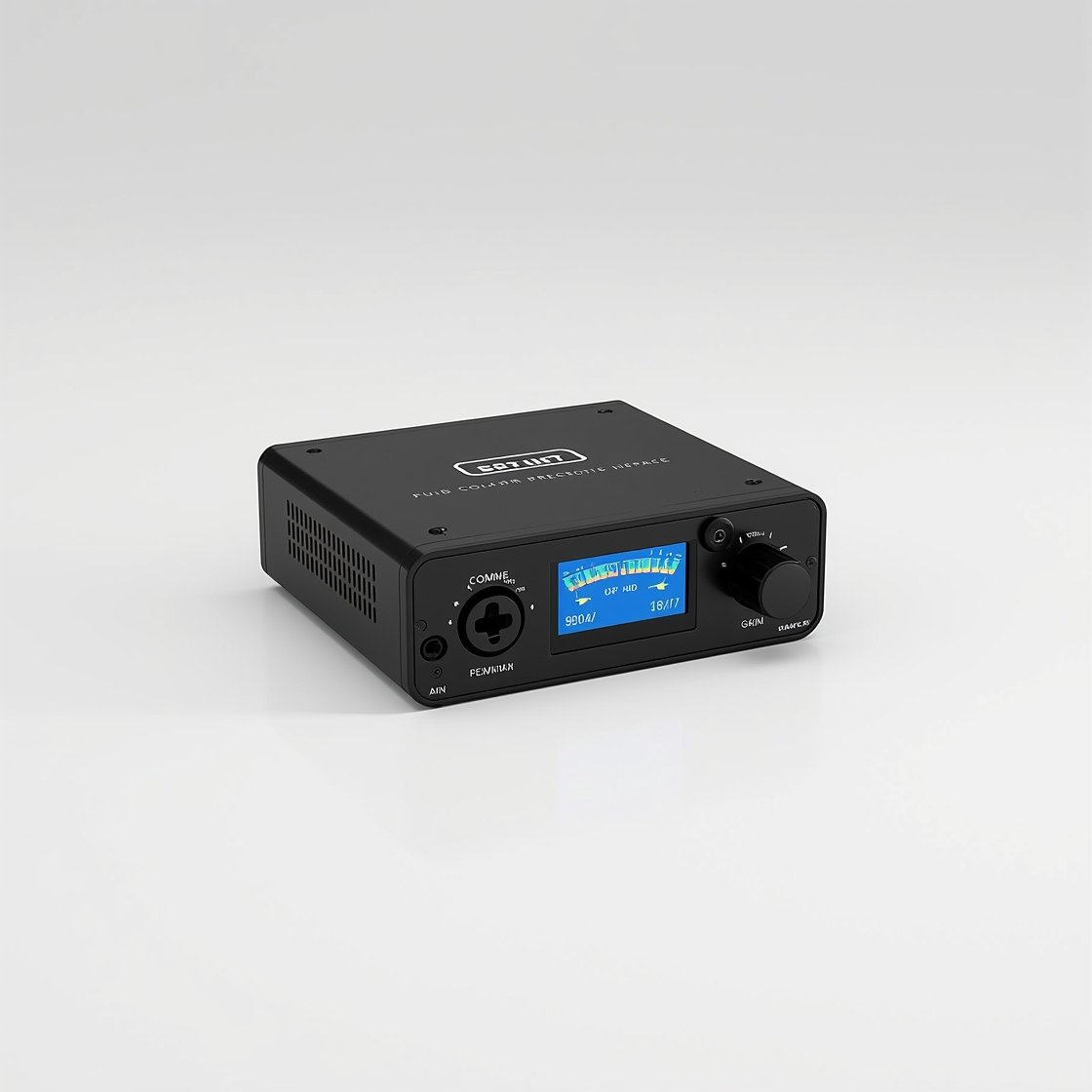
The M2 (~$199) takes the opposite approach to the SSL and Volt: it adds nothing at all. Its ESS Sabre32 converters deliver a dynamic range that outclasses the price bracket, and the preamps are as close to invisible as you will find here.
For vocalists that is a real choice, not a compromise. If you already own good plugins, or you send takes to a mixing engineer, capturing the voice exactly as the microphone heard it gives you the most options later. Colour added at tracking cannot be removed.
The full-colour LCD metering is the practical standout. Setting vocal levels by eye is far easier when you can see the actual peak rather than guess from a single LED, and for self-recording that matters more than it sounds.
Who should buy it: producers who shape vocals in the box, and anyone sending takes out for mixing.
Watch out for: no preamp character at all, if you want flattery, look elsewhere.
MOTU M2
ESS Sabre32 converters and near-invisible preamps with proper LCD metering: capture the voice exactly as it was.
Check Price on Amazon6. Focusrite Scarlett Solo 4th Gen: Best Budget
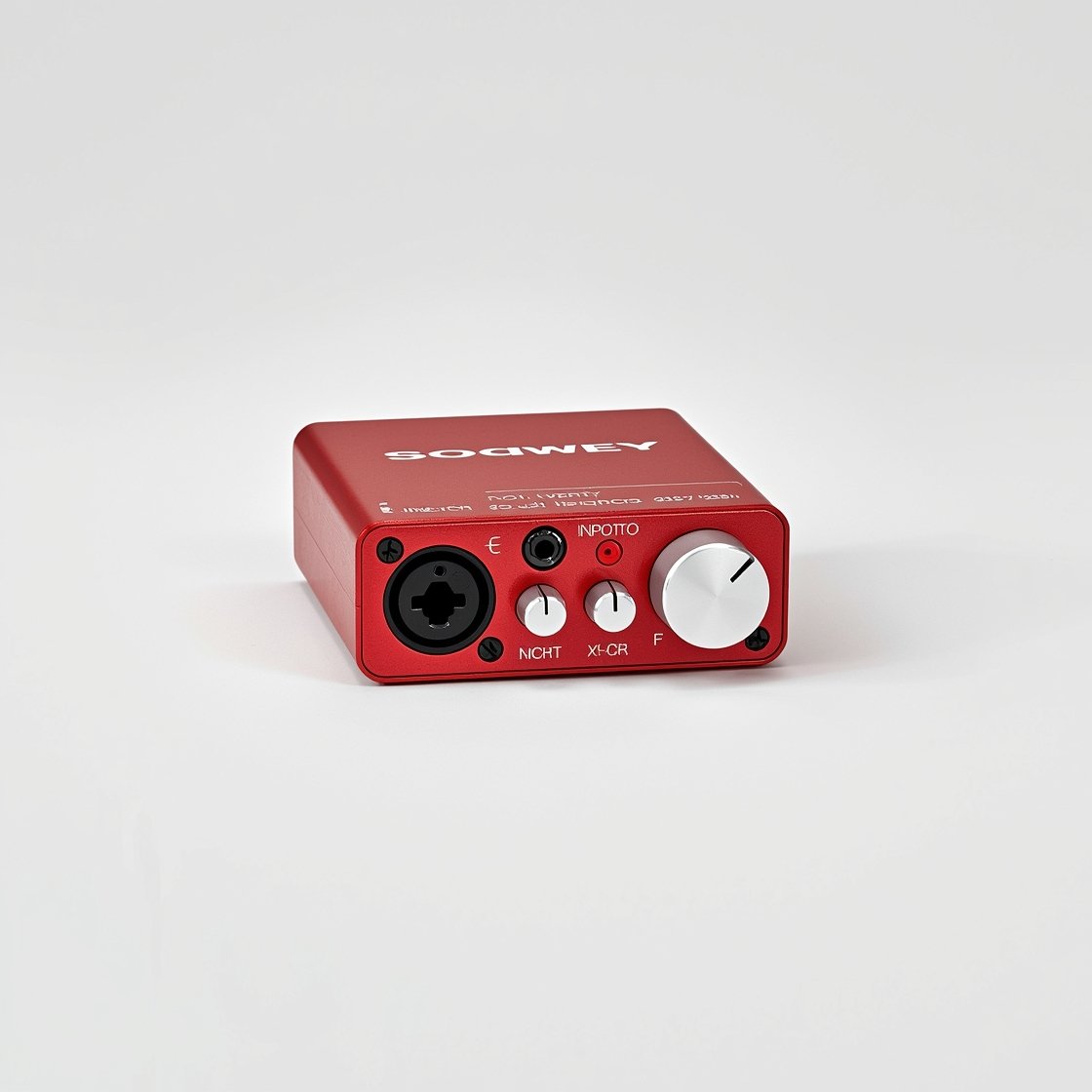
The Solo 4th Gen (~$139) is the 2i2 with one microphone input instead of two, and for a solo vocalist that is the only difference that matters. You get the same 69dB of gain, the same Air mode, and the same Auto Gain and Clip Safe, for roughly $60 less.
That makes it the cheapest interface here that will drive an SM7B properly, which is unusual at this price and the reason it outsells almost everything else. It is class-compliant on Mac, so you plug in and record with no drivers.
The limitation is simple and permanent: you cannot record two microphones. If there is any chance you will track a duet, an interview, or vocals plus a miked amp, spend the extra on the 2i2.
Who should buy it: solo vocalists and podcasters on a budget who need real gain.
Watch out for: one mic input, and no MIDI I/O.
Focusrite Scarlett Solo 4th Gen
The same 69dB gain and Air mode as the 2i2 in a one-mic format: the cheapest interface here that handles an SM7B.
Check Price on Amazon7. Universal Audio Apollo Twin X: Best Premium
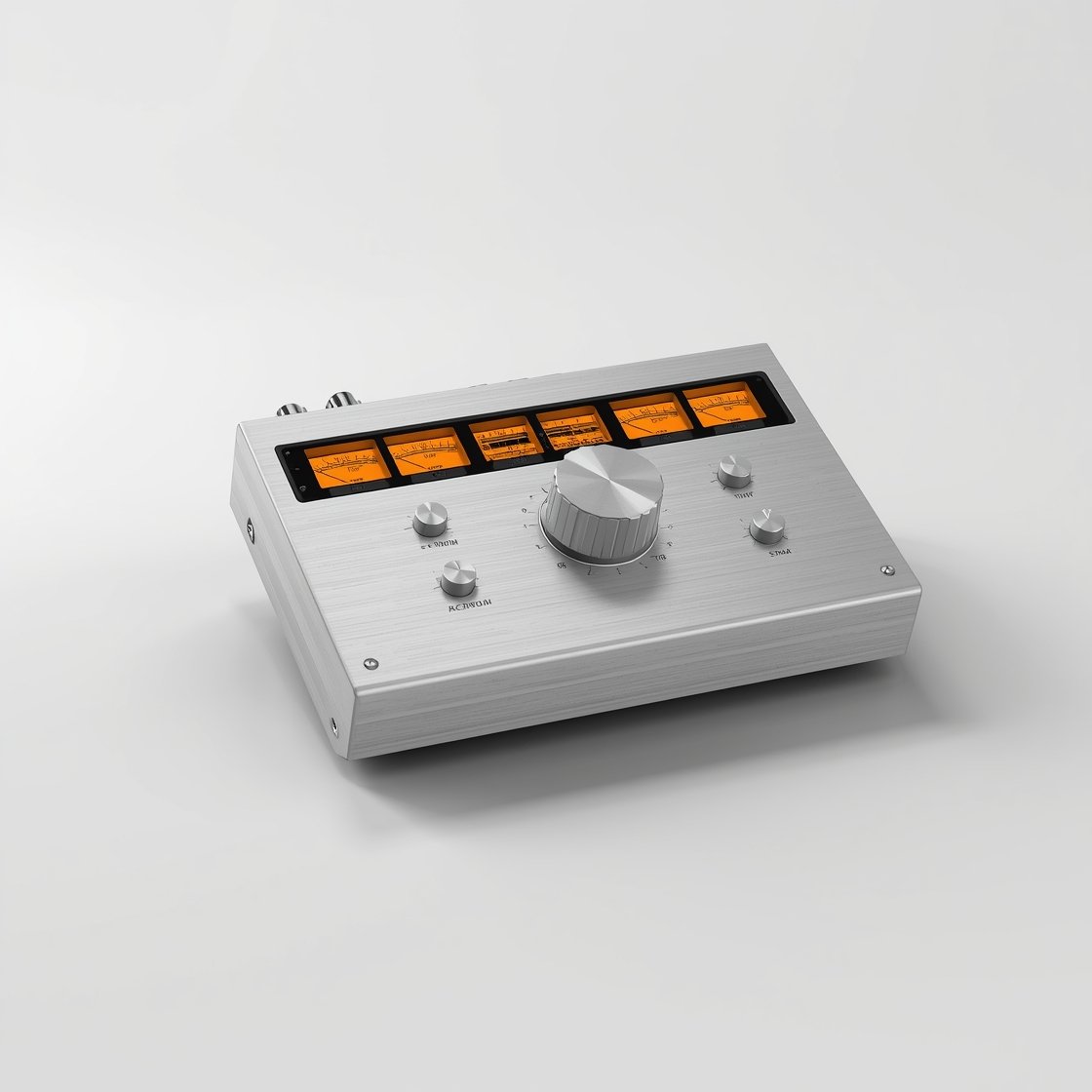
When vocals are how you make a living, the Apollo Twin X (~$799) is the standard step up. Its Unison preamps do something no other interface here can: they physically reconfigure the input impedance to model classic Neve, API, and Manley channel strips at the preamp stage, not as a plugin afterwards.
The onboard DSP is the other half of it. You can track through a UAD LA-2A compressor or a Pultec EQ with effectively zero latency, so the singer hears a finished, polished vocal in their headphones while performing. Working engineers widely report that this changes performances more than any preamp spec, because singers respond to what they hear (details on UA’s official Apollo Twin X page).
It is expensive, and the best UAD plugins cost extra on top. But for a working vocal studio it is the professional benchmark.
Who should buy it: professional vocal producers and anyone tracking singers regularly for money.
Watch out for: the price is only the entry cost, plugins add up quickly.
Universal Audio Apollo Twin X
Unison preamps that model classic channel strips at the input stage, plus zero-latency UAD processing while tracking.
Check Price on AmazonWhat Matters in an Audio Interface for Vocals
Gain range, the spec that decides everything
This is the one that catches people out. Condenser microphones are sensitive and work on almost any interface, but popular dynamic vocal mics need far more. The Shure SM7B wants roughly 60dB of clean gain; give it less and you hear hiss before you hear a healthy signal. The Scarlett 4th Gen models (69dB) handle it natively. If your interface falls short, budget another $100+ for a Cloudlifter-style booster, which changes the real price comparison entirely. See our vocal microphone guide for which mics need what.
Preamp character: clean or coloured?
There is no right answer, only a choice. Clean preamps (MOTU M2, Scarlett) capture the voice accurately and leave every decision for the mix. Coloured preamps (SSL 4K, Volt Vintage, Audient) add warmth, saturation, or presence at the source, which sounds better immediately but cannot be undone. If you mix your own vocals, colour saves time. If someone else mixes them, stay clean.
Direct monitoring and latency
A singer cannot perform against a delay. Direct monitoring routes your microphone signal straight to your headphones in hardware, bypassing the computer entirely, so there is zero delay no matter what your buffer is set to. Every interface here has it, and for vocal recording it is non-negotiable. Software monitoring through a DAW should stay under about 10ms round-trip to feel natural.
Phantom power and the headphone amp
Condenser microphones need +48V phantom power, supplied by every interface in this guide. Dynamics like the SM7B do not need it and are unaffected. Also check the headphone output: a weak amp makes vocalists sing flat because they cannot hear themselves clearly over the backing track. Monitor on closed-back headphones so the track does not bleed into your microphone.
What you can safely ignore
Input count beyond two, sample rates above 96kHz, and huge bundled software libraries make almost no difference to a vocal recording. One voice needs one good preamp with enough gain. Spend the budget there.
Frequently Asked Questions
What is the best audio interface for recording vocals in 2026?
How much gain do I need for vocals?
Do I need an audio interface to record vocals?
Should vocal preamps be clean or coloured?
What is direct monitoring and why does it matter for vocals?
Can I record vocals and guitar at the same time?
The Bottom Line
The Focusrite Scarlett 2i2 4th Gen is the best audio interface for vocals for most people in 2026: enough gain for any microphone, Air mode that genuinely flatters a voice, and Clip Safe for when you are recording yourself. If you only ever track one voice, the Audient iD4 MkII sounds better still. Want character on the way in? The SSL 2+ MkII and Volt 276 deliver it. On a budget, the Scarlett Solo 4th Gen gives you the same gain for ~$139.
Check gain range first, decide whether you want clean or coloured, and make sure direct monitoring is there. Everything else is secondary when one person is singing into one microphone.
Next, pair it with the right vocal microphone, see our full guide to the best audio interface for a home studio across all uses, or compare options in our best audio interface under $200 roundup.
Related reading: Building a first recording setup? Start with our guide to the best audio interface for beginners.