
- Open-back versus closed-back is dictated by workflow, not preference: closed for recording, open for mixing.
- The Beyerdynamic DT 770 PRO 80Ω (~$179) is the closed-back studio standard; buy the 80Ω version specifically.
- The Sennheiser HD 560S (~$199) is the best open-back value for mixing, with a flat, honest low end.
- If you can only own one pair, buy closed-back: you can mix on them, but open-backs leak too much to record with.
- Impedance decides whether you need an amp: 32 to 80 ohms runs from any interface, 250 to 300 ohms does not.
- The AKG K371 is tuned to the Harman curve and is the closed-back whose mixes actually translate.
Studio headphones exist to tell you the truth. Consumer headphones flatter music with boosted bass and sparkling treble because that sounds exciting; studio headphones deliberately do not, because a mix that sounds good on flattering headphones falls apart everywhere else. That honesty is the entire product.
Compiled by the Shlohmo editorial team. Last updated 18 July 2026.
The decision that shapes everything else is open-back versus closed-back, and it is not a preference, it is dictated by what you actually do. This guide ranks the seven best studio headphones in 2026 across both types, explains which one your workflow demands, and tells you honestly which pair to buy if you can only afford one.
How We Choose
These picks are compiled from manufacturer specifications, published measurements, and the documented consensus of professional reviewers and working producers. We compare published frequency response, impedance, isolation, driver design and build specifications directly against manufacturer documentation, and weigh them against how each pair is discussed across established review outlets and production communities.
We do not conduct independent hands-on testing of every product listed. Where a specification matters to a buying decision, we cite the manufacturer’s own documentation so you can verify it yourself. Prices are approximate and change frequently, so check current listings before purchasing.
Open-Back vs Closed-Back: The Decision That Matters
Get this right and the rest of the guide is easy.
Closed-back headphones
The ear cups are sealed, so sound cannot escape. That makes them essential for recording: a singer needs to hear the backing track without it bleeding into the microphone and ending up in the take. They also isolate you from a noisy room. The trade-off is a narrower stereo image and bass that tends to build up inside the sealed cup, which can mislead you when mixing.
Buy closed-back for: recording, tracking, editing, noisy rooms, and shared spaces.
Open-back headphones
The outer cup is perforated, letting the driver breathe. Sound leaks out and room noise leaks in, but the presentation is wider, more natural, and far less fatiguing over a long session. Stereo imaging is clearer, so you can place elements in the mix with much more confidence. They are the mixing standard for exactly this reason.
Buy open-back for: mixing, mastering, critical listening, and long sessions in a quiet room.
If you can only buy one pair
Buy closed-back. You can mix on closed-backs with practice, but you genuinely cannot record with open-backs, the leakage ruins takes. Start closed, add an open-back pair for mixing when budget allows. That is the order almost every working studio ends up in.
Best Studio Headphones in 2026: Quick Comparison
| Headphones | Best for | Type | Approx. price |
|---|---|---|---|
| Beyerdynamic DT 770 PRO 80Ω | Best overall / recording | Closed-back | ~$179 |
| Sennheiser HD 560S | Best for mixing | Open-back | ~$199 |
| Sony MDR-7506 | Best budget / least leakage | Closed-back | ~$99 |
| Beyerdynamic DT 900 PRO X | Best open-back, no amp | Open-back | ~$269 |
| Audio-Technica ATH-M50x | Best all-rounder | Closed-back | ~$149 |
| AKG K371 | Best closed-back for mixing | Closed-back | ~$149 |
| Sennheiser HD 650 | Best premium reference | Open-back | ~$399 |
1. Beyerdynamic DT 770 PRO 80Ω: Best Overall
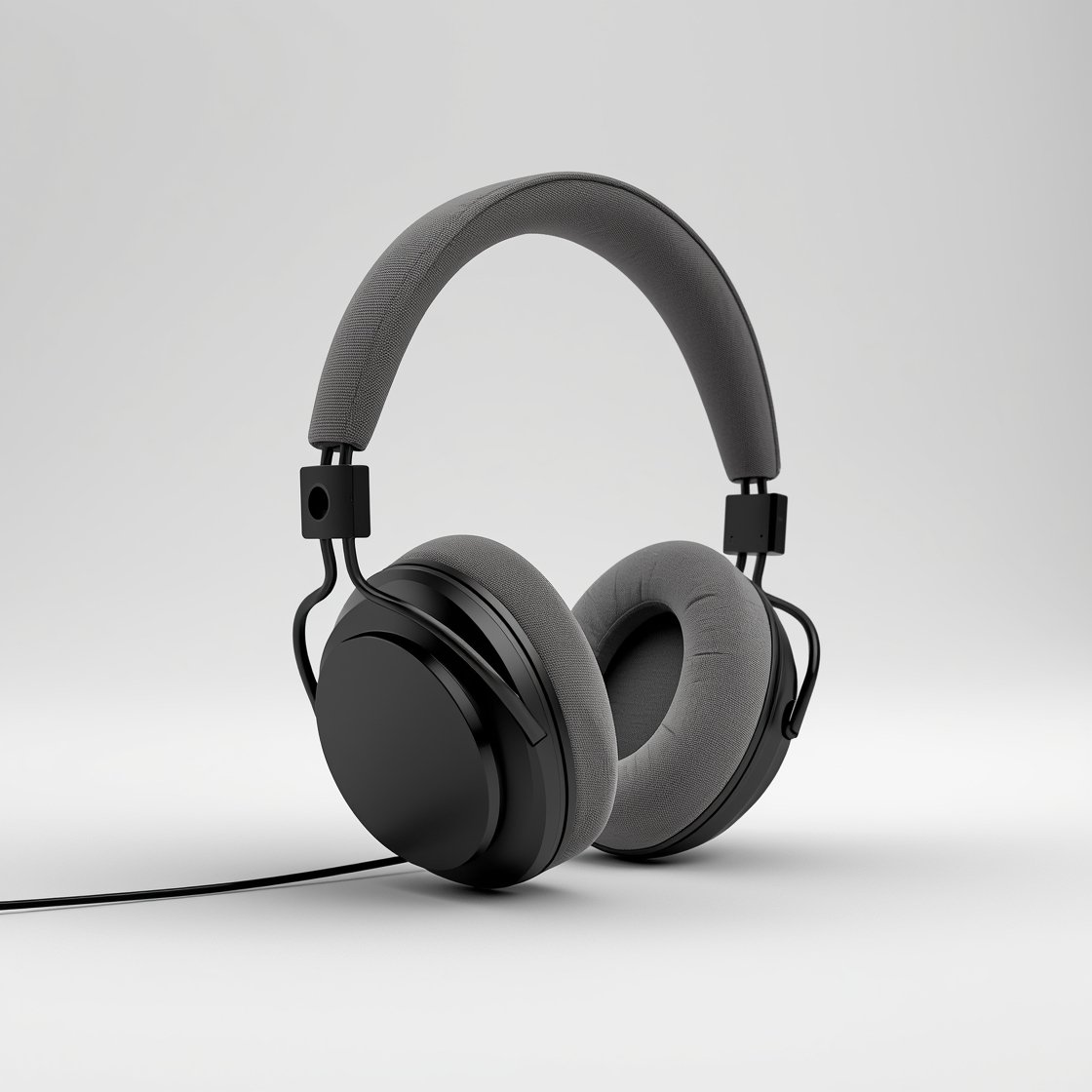
The DT 770 PRO has been the default closed-back recommendation in professional studios for more than two decades, and the 80Ω version is specifically the one to buy. That matters more than it sounds: the 32Ω variant is slightly too bass-heavy for accurate work, and the 250Ω version needs a real headphone amp to come alive. At 80Ω it runs cleanly from any modern audio interface while keeping the tighter, more controlled low end (see Beyerdynamic’s official specifications).
Isolation is excellent, which is the job when a microphone is live in the room. The velour pads are replaceable and stay comfortable across a full session, and the build is famously durable, these are handmade in Germany and routinely last a decade.
Beyerdynamic specifies strong passive isolation, and reviewers consistently report leakage low enough to track vocals at a healthy monitoring level without the click bleeding into the take, which is the practical test that decides whether a closed-back is usable.
Who should buy it: anyone recording at home, and the safest single pair for a first studio.
Watch out for: buy the 80Ω version specifically; the treble is bright, which some find fatiguing at first.
Beyerdynamic DT 770 PRO 80Ω
The studio closed-back standard for two decades: excellent isolation, replaceable velour pads, and 80Ω that runs from any interface.
Check Price on Amazon2. Sennheiser HD 560S: Best for Mixing
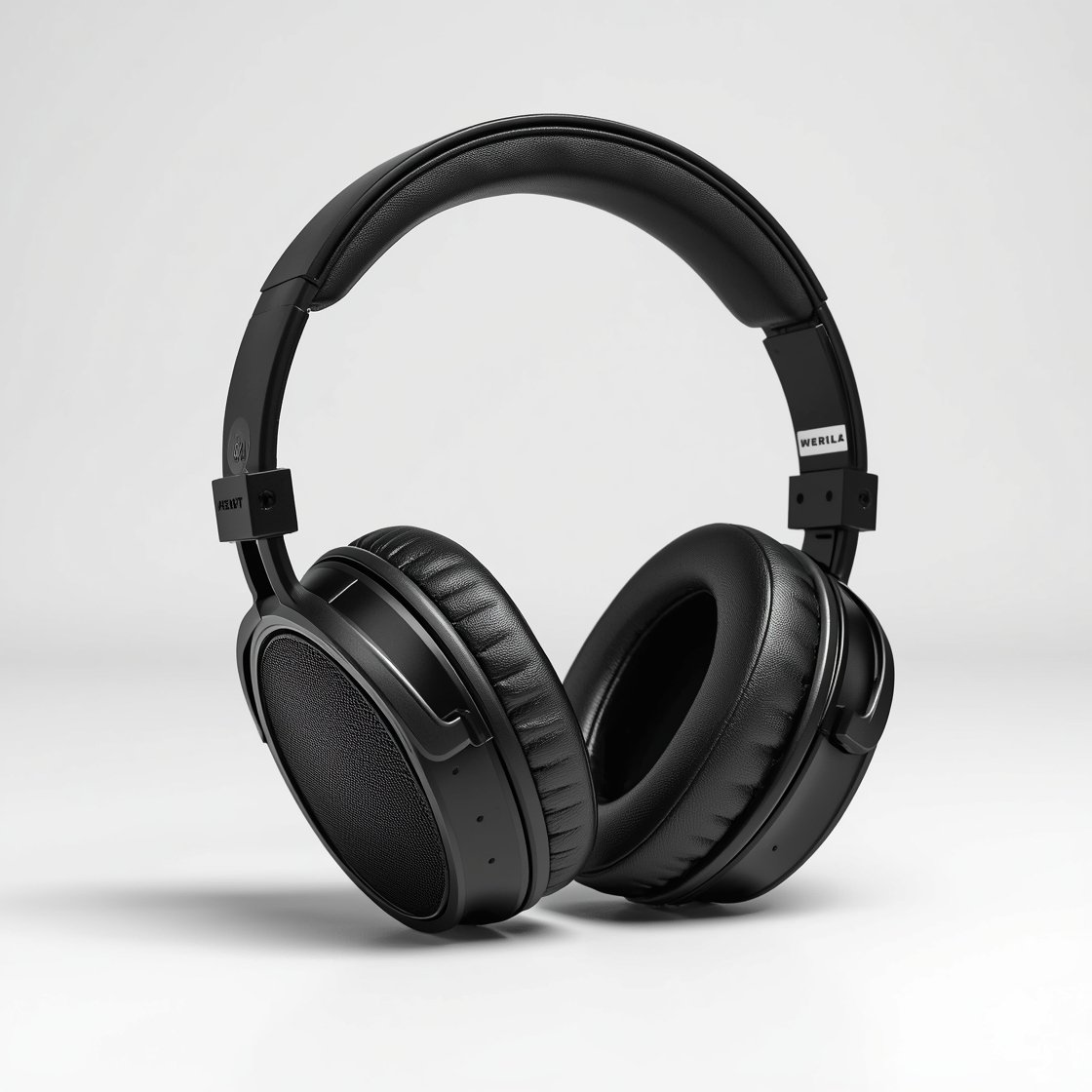
The HD 560S (~$199) is the best value in open-back mixing headphones, and the pair most often recommended to bedroom producers making their first serious mixing purchase. Sennheiser tuned it for neutrality rather than excitement, with a notably flat response and a wide, natural soundstage that makes stereo placement obvious (details on Sennheiser’s official HD 560S page).
Reviewers consistently note how little the low end flatters. Closed-backs build bass inside the sealed cup, which tempts you to under-mix the kick and bass; the 560S shows the actual balance, and mixes made on it are widely reported to translate to monitors with far fewer surprises.
At 120Ω it is efficient enough to run from a decent interface headphone output, though it benefits audibly from a stronger amp. It leaks freely, as all open-backs do, so it is useless for tracking.
Who should buy it: bedroom producers who mix more than they record and want honest, fatigue-free listening.
Watch out for: leaks sound badly, never use it with a microphone in the room.
Sennheiser HD 560S
A flat, neutral open-back with a wide soundstage that shows the real low-end balance: the best value mixing headphone.
Check Price on Amazon3. Sony MDR-7506: Best Budget and Least Leakage
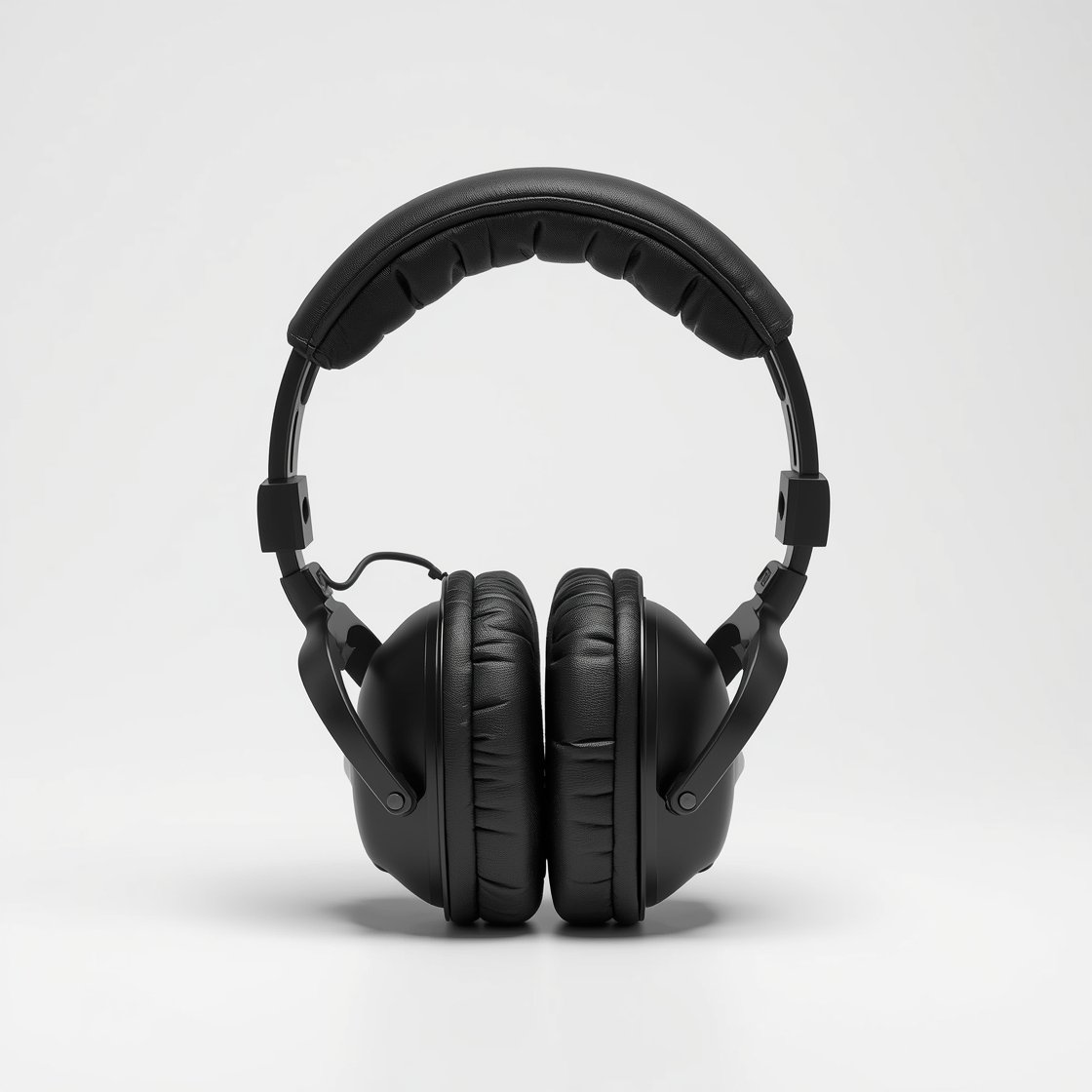
The MDR-7506 has been a broadcast and studio staple since the mid-1980s, and it survives because it does one job better than almost anything else: it has among the lowest sound leakage of any closed-back headphone. When a sensitive condenser is a foot from your head, that is the specification that matters (see Sony’s official MDR-7506 page).
The sound is bright and detailed, deliberately so, because it was designed for engineers hunting problems rather than enjoying music. Sibilance, clicks, and edit points jump out. That makes it excellent for tracking and editing and tiring for long mixing sessions.
At around $99 with a fold-flat design and a legendary reputation for durability, it is the cheapest genuinely professional pair here.
Who should buy it: anyone on a budget who records with a microphone, and podcasters and editors.
Watch out for: bright and fatiguing over long sessions; the coiled cable is not detachable.
Sony MDR-7506
Among the lowest leakage of any closed-back, plus revealing detail for editing: the cheapest truly professional pair here.
Check Price on Amazon4. Beyerdynamic DT 900 PRO X: Best Open-Back Without an Amp
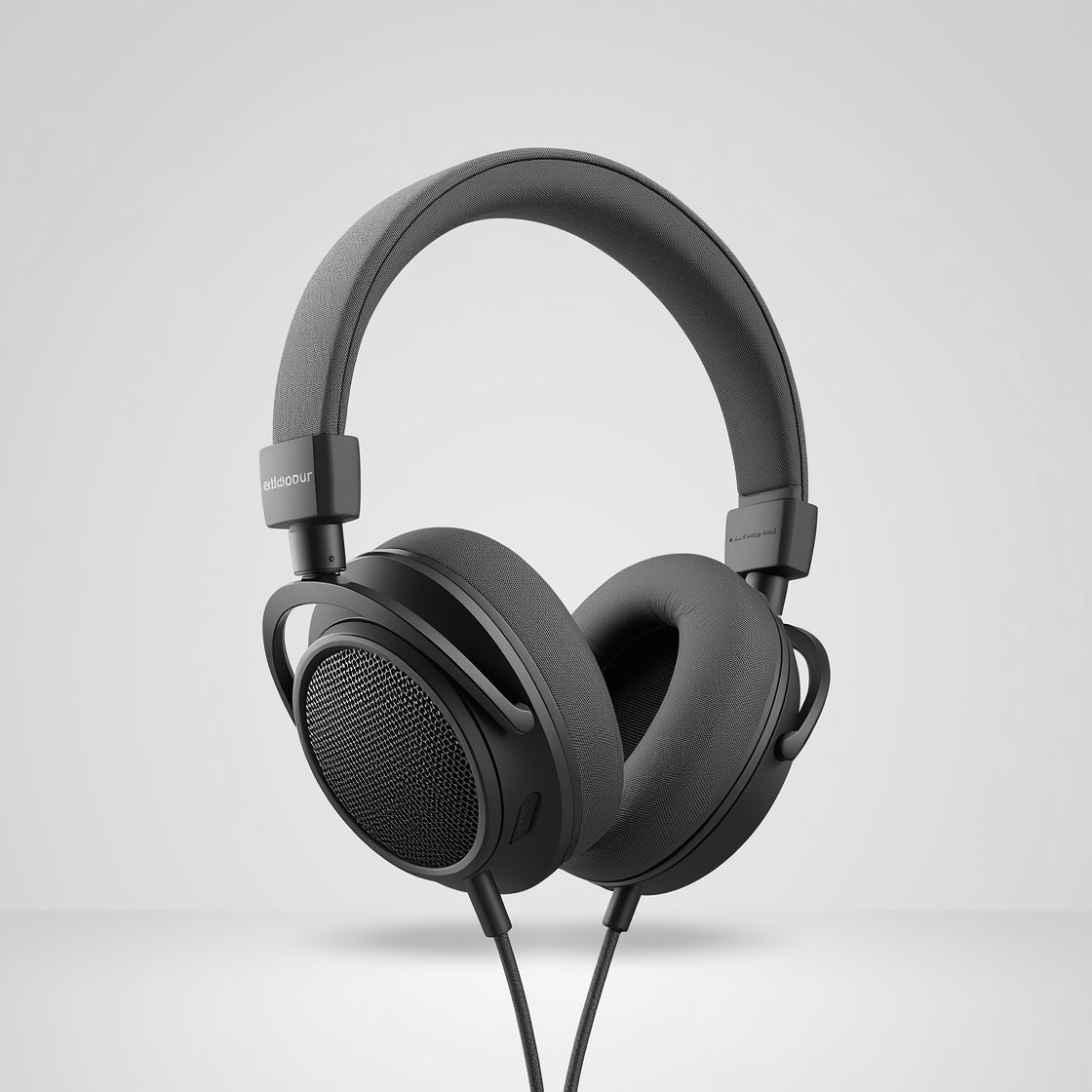
The DT 900 PRO X (~$269) is Beyerdynamic’s modern open-back, and its headline is practical rather than sonic: at 48Ω it drives cleanly from any audio interface with no headphone amp required. That is a real upgrade over the 250Ω DT 990 PRO it effectively replaces, which sounded thin and quiet for anyone without dedicated amplification.
The STELLAR.45 driver delivers a balanced response with a controlled low end and a gentle lift up top, and the soundstage is wide enough for confident stereo decisions. Beyerdynamic’s velour pads and the fabric headband make it one of the more comfortable pairs here across a long mixing session.
The cable is detachable, which quietly doubles the lifespan of most headphones, since the cable is usually what fails first.
Who should buy it: mixers who want a serious open-back but do not want to buy a headphone amp.
Watch out for: more expensive than the HD 560S for broadly similar mixing performance.
Beyerdynamic DT 900 PRO X
A 48Ω open-back that runs properly from any interface, with a balanced STELLAR.45 driver and a detachable cable.
Check Price on Amazon5. Audio-Technica ATH-M50x: Best All-Rounder
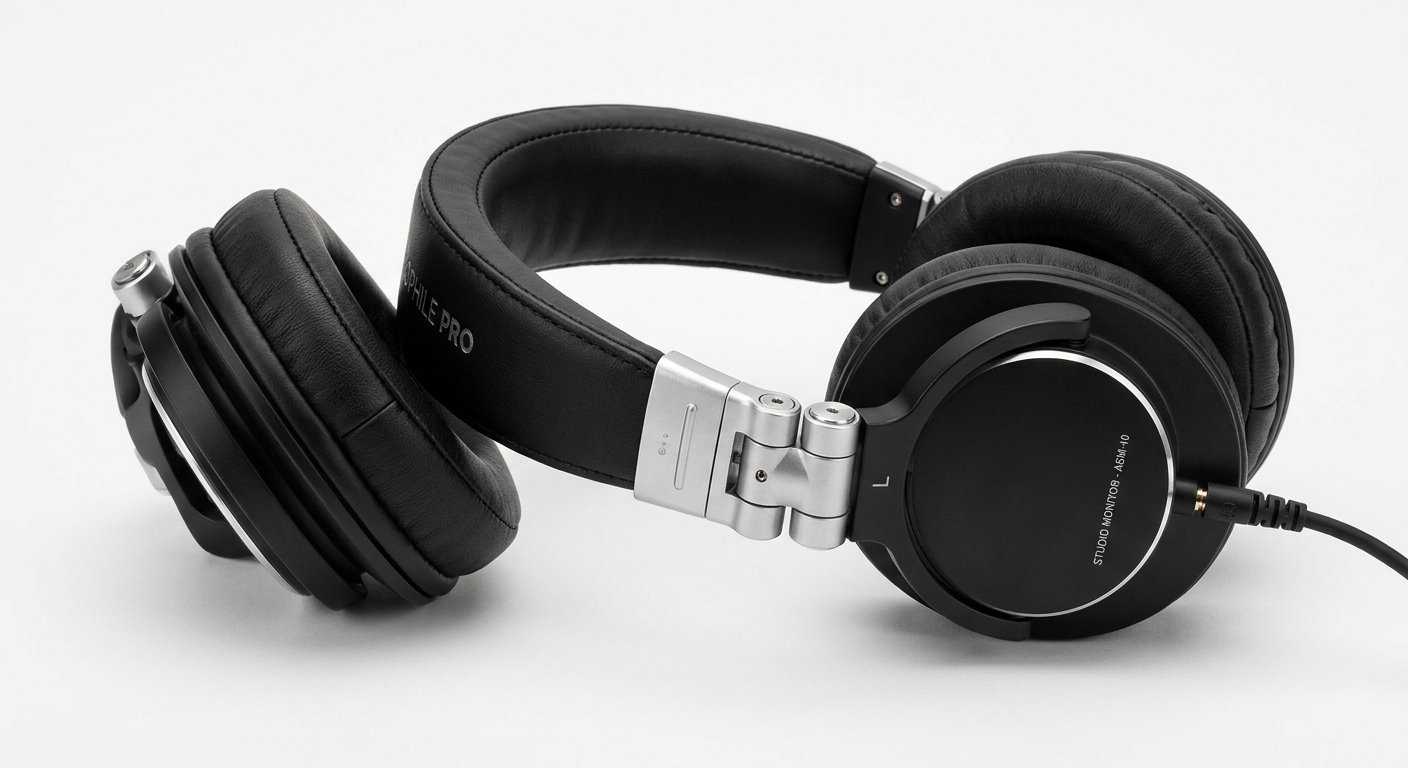
The ATH-M50x (~$149) is the pair that does everything acceptably and nothing badly, which is exactly why it is one of the best-selling studio headphones ever made. It is closed-back so it works for tracking, but its tuning is more balanced than the MDR-7506’s, making it far more pleasant for mixing and general listening.
The 90-degree swivelling cups handle single-ear monitoring, the detachable cable comes in three lengths, and the build survives being thrown in a bag. If you DJ as well as produce, it crosses over comfortably, see our DJ headphones guide for that use case.
It is a compromise, and an honest one: less isolating than the DT 770, less accurate for mixing than the HD 560S. But if you want one pair for tracking, mixing, and everyday listening, this is the pick.
Who should buy it: producers who want a single pair for everything, and anyone who also DJs.
Watch out for: slightly hyped bass compared with a true reference pair.
Audio-Technica ATH-M50x
Balanced closed-back tuning, swivelling cups, and a detachable cable: the one pair that handles tracking, mixing, and DJing.
Check Price on Amazon6. AKG K371: Best Closed-Back for Mixing
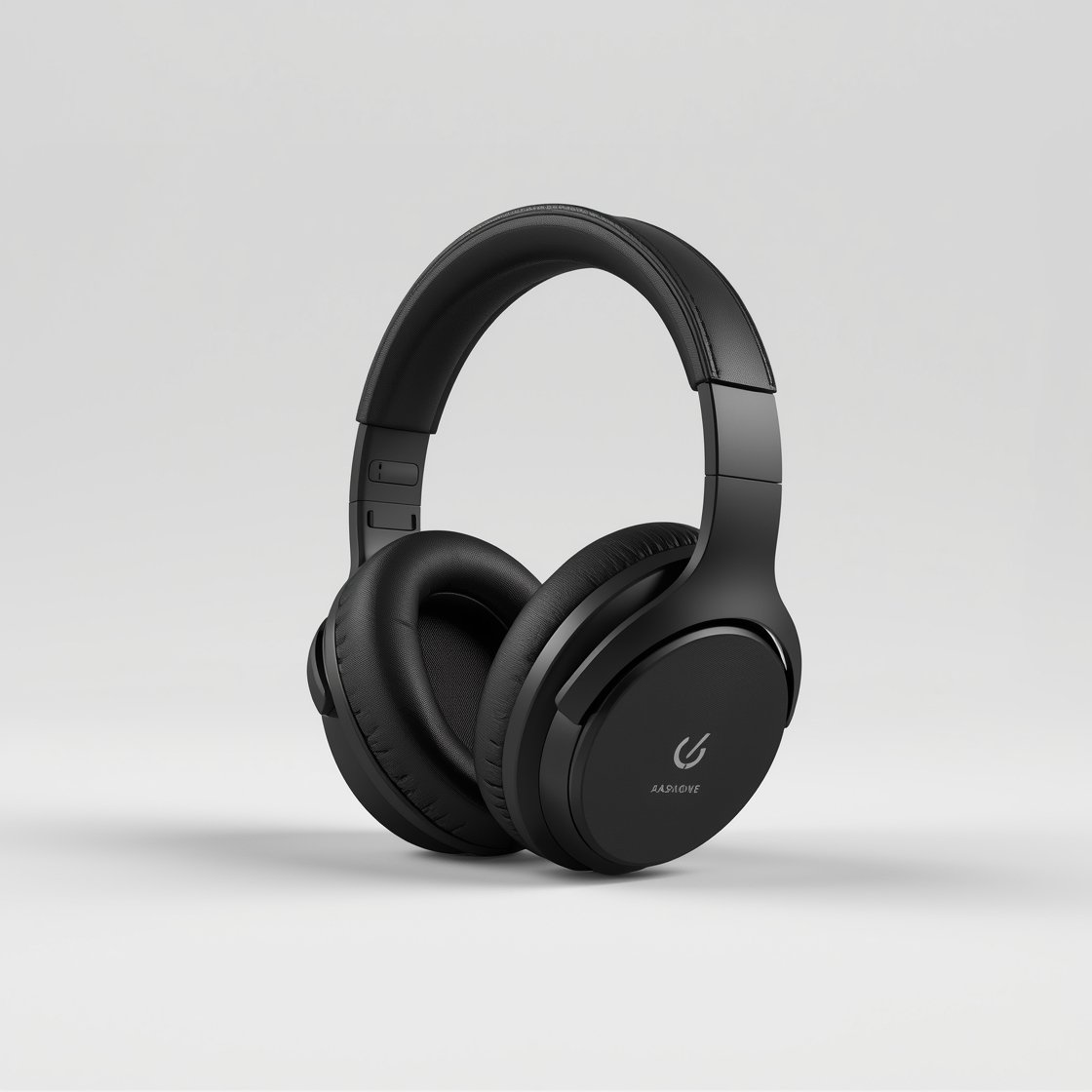
The K371 (~$149) solves the closed-back mixing problem better than anything else at its price. Most sealed headphones build bass inside the cup and give you a narrow, misleading picture; AKG tuned the K371 to the Harman target curve, a research-derived response that closely tracks what accurate speakers sound like in a good room (see AKG’s official K371 page).
In practice that means mixes made on it translate unusually well for a closed-back. It is widely regarded as the only sealed pair at this price where the low-end balance holds up against monitors without needing mental compensation.
It is also comfortable and light with slim, foldable cups, and it isolates well enough to track with. If you need one pair that records and mixes honestly, this is the strongest argument.
Who should buy it: producers who must mix on closed-backs, whether from noise, neighbours, or budget.
Watch out for: build feels less rugged than the Beyerdynamic and Sony.
AKG K371
Tuned to the Harman target curve, the closed-back whose mixes actually translate: record and mix on one honest pair.
Check Price on Amazon7. Sennheiser HD 650: Best Premium Reference
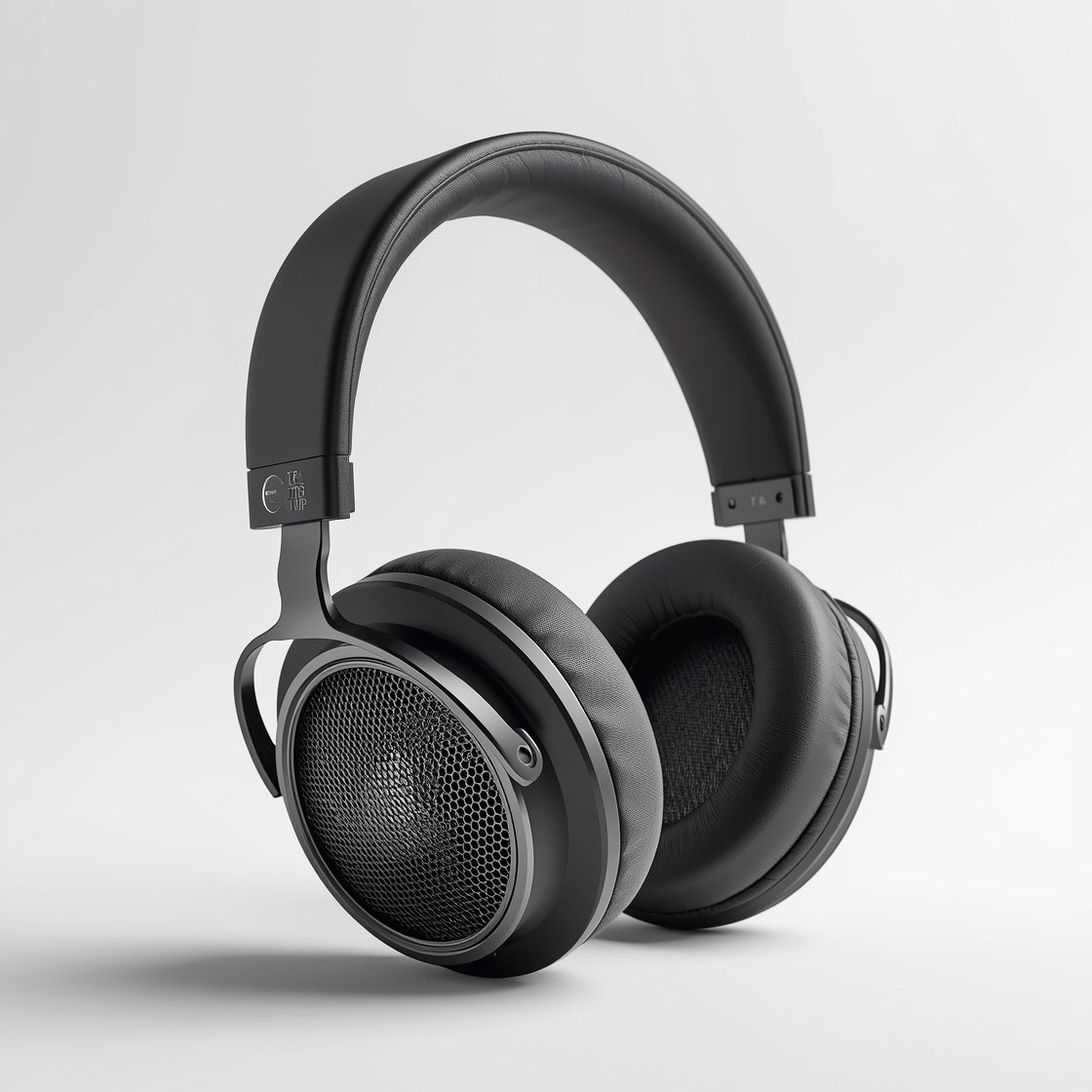
The HD 650 (~$399) has been a mixing and mastering reference for over twenty years, and it remains the pair many engineers keep after trying far more expensive alternatives. The tuning is smooth and slightly warm rather than aggressively flat, which sounds like a compromise until you spend eight hours in them and your ears are not ringing.
Detail retrieval and midrange accuracy are the strengths, and vocals in particular sit exactly where they belong. It is the pair many engineers reach for when checking whether a mix is genuinely finished rather than merely loud.
At 300Ω it genuinely wants a headphone amp. Running it from an interface output works but leaves it quiet and soft, which undermines the entire point of buying it.
Who should buy it: serious mixers ready to invest, especially those working long sessions.
Watch out for: 300Ω, so budget for a headphone amp on top of the price.
Sennheiser HD 650
A twenty-year mixing reference: smooth, non-fatiguing, with midrange accuracy that shows when a mix is truly finished.
Check Price on AmazonWhat Matters in Studio Headphones
Flat response, not exciting response
Studio headphones should reveal problems: harsh highs, low-end buildup, vocal sibilance, bad edits, and where things sit in the stereo field. Consumer headphones hide those things behind boosted bass and treble. A pair that makes everything sound great is useless for mixing, because the flaws you cannot hear are the ones that survive into the master.
Impedance and whether you need an amp
This catches people out constantly. Low impedance (32 to 80Ω) runs loud and clean from any audio interface. High impedance (250 to 300Ω) like the HD 650 or the 250Ω DT 770 needs a dedicated headphone amp to reach proper volume and control. Buying high-impedance headphones without an amp leaves you with a quiet, lifeless sound and the impression the headphones are bad. Check your audio interface headphone output before choosing.
Comfort over a long session
You will wear these for hours, so clamp force, pad material, and weight matter as much as frequency response. Velour pads (Beyerdynamic) breathe better than leatherette over long sessions; leatherette isolates better for tracking. An uncomfortable pair does not get worn, however accurate it is.
Replaceable parts
Pads flatten and cables fail long before drivers do. Headphones with replaceable pads and detachable cables (DT 770, DT 900 PRO X, ATH-M50x) last years longer than sealed designs. It is a small spec that quietly halves your long-term cost.
Headphones are not a substitute for monitors
Headphones remove the room from the equation, which is genuinely useful in an untreated bedroom. But they place sound inside your head, which makes panning, depth, and reverb harder to judge accurately. The strongest home setup uses both: check your mix on studio monitors and on headphones, because each reveals what the other hides.
Frequently Asked Questions
What are the best studio headphones in 2026?
Should I buy open-back or closed-back studio headphones?
Do studio headphones need an amplifier?
Can you mix on closed-back headphones?
What is the difference between studio and consumer headphones?
Are headphones enough for mixing, or do I need studio monitors?
The Bottom Line
Decide open-back or closed-back first, because it is dictated by your workflow rather than your taste. For recording, the Beyerdynamic DT 770 PRO 80Ω is the standard and the safest first purchase. For mixing, the Sennheiser HD 560S gives you honest, fatigue-free listening at a fair price. On a budget the Sony MDR-7506 is unbeatable for tracking, and the AKG K371 is the closed-back whose mixes actually translate.
Check impedance against your interface before you buy, prioritize comfort as heavily as frequency response, and remember that headphones and monitors are complements, not alternatives.
Next, pair them with the right audio interface for vocals, a vocal microphone, and studio monitors, or see our complete home studio setup guide.