
- The Shure BLX24/PG58 (~$299) is the best overall: professional sound, rugged build, and UHF stability with automatic frequency scanning.
- The RØDE Wireless GO III (~$299) is the best for creators, with 32-bit float on-board backup recording in tiny clip-on transmitters.
- The DJI Mic 2 (~$349) is the best two-person kit, with AI noise cancelling and a charging case.
- UHF is more reliable than 2.4GHz for professional stage use because it does not compete with WiFi.
- Quoted ranges of 100 to 300 feet assume clear line of sight; walls and bodies cut this significantly.
- Buy a dual-channel system rather than two single systems if you need two mics, it costs less and avoids frequency conflicts.
Wireless microphone systems solve one problem beautifully: they let you move. Whether that means working a stage, filming a walking piece to camera, or recording an interview without a cable snaking across the floor, cutting the cord changes what you can do.
But wireless introduces its own risks, dropouts, interference, dead batteries, latency, and the wrong system will fail you at the worst possible moment. The two questions that decide everything are what you are miking (a singer, a presenter, an instrument) and which frequency band you operate on. This guide ranks the seven best wireless microphone systems in 2026 for both performers and creators, and explains exactly what to look for.
Compiled by the Shlohmo editorial team. Last updated 18 July 2026.
How We Choose
These picks are compiled from manufacturer specifications, published measurements, and the documented consensus of professional reviewers and working producers. We compare published transmission bands, quoted range, battery life, channel counts and receiver connectivity directly against manufacturer documentation, and weigh them against how each system is discussed across established review outlets, live-sound and content-creation communities.
We do not conduct independent hands-on testing of every product listed. Where a specification matters to a buying decision, we cite the manufacturer’s own documentation so you can verify it yourself. Prices are approximate and change frequently, so check current listings before purchasing.
Best Wireless Microphone Systems in 2026: Quick Comparison
| System | Best for | Type | Approx. price |
|---|---|---|---|
| Shure BLX24/PG58 | Best overall | Handheld, UHF | ~$299 |
| RØDE Wireless GO III | Best for creators | Clip-on, 2.4GHz | ~$299 |
| DJI Mic 2 | Best dual-person | Clip-on, 2.4GHz | ~$349 |
| Sennheiser XSW-D Vocal Set | Simplest setup | Handheld, 2.4GHz | ~$379 |
| Audio-Technica ATW-1102 | Best battery life | Handheld, 2.4GHz | ~$349 |
| Shure GLXD24+/SM58 | Best premium | Handheld, dual-band | ~$699 |
| Phenyx Pro PTU-52 | Best budget dual | Handheld, UHF | ~$139 |
1. Shure BLX24/PG58: Best Overall
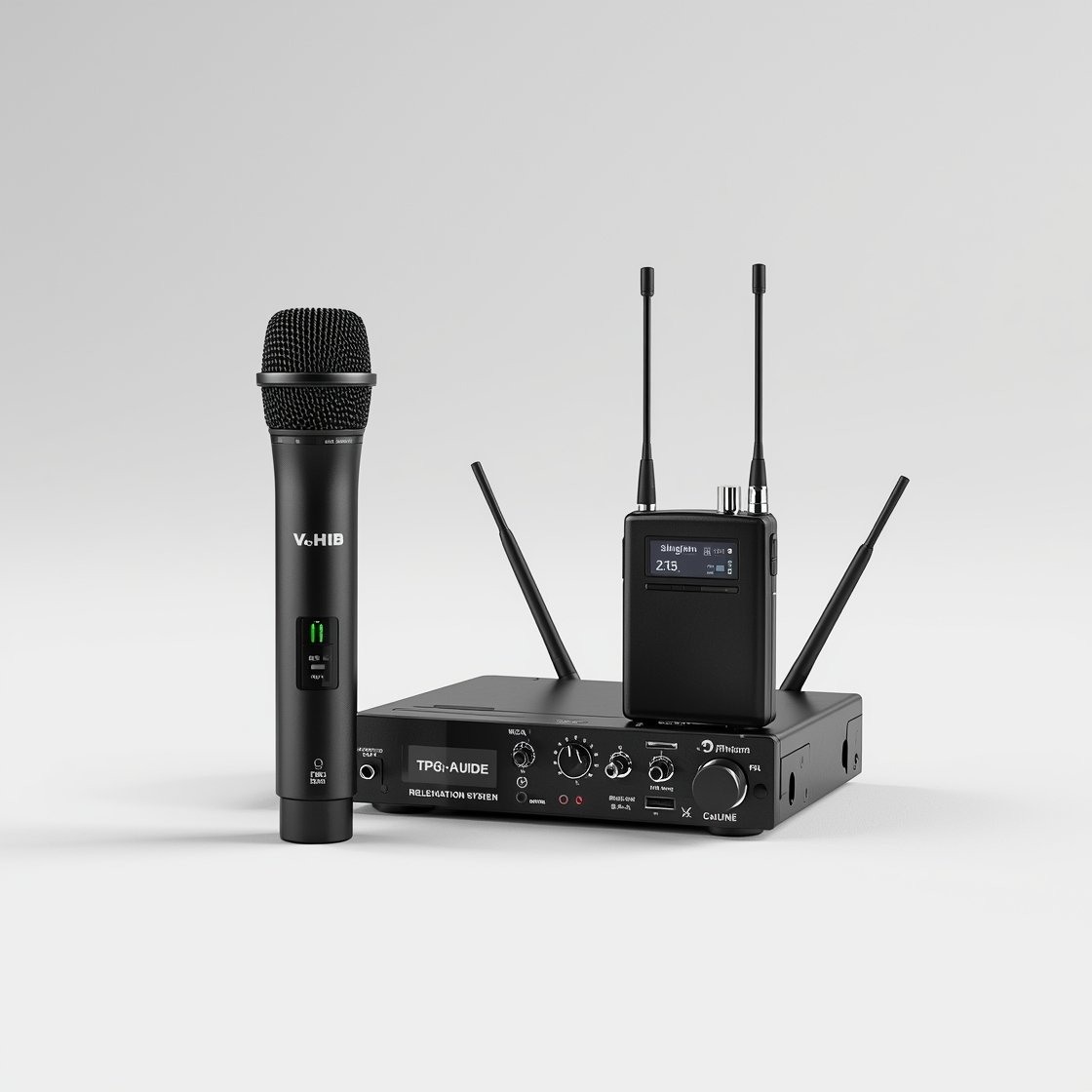
The Shure BLX series is the default recommendation for live vocals, and the BLX24/PG58 (~$299) is the reason. Shure has built the industry’s most trusted microphones for decades, and this system brings that reliability to an accessible price with the professional sound quality and robust build that reviewers consistently rank best overall.
It runs on UHF, which handles crowded RF environments better than 2.4GHz, and includes automatic frequency scanning so it finds a clean channel for you rather than making you hunt. Setup takes a minute. The PG58 capsule is a proven vocal dynamic, warm and feedback-resistant on stage.
It is well suited to small and medium venues, exactly where most working musicians play (details on Shure’s official BLX page).
Who should buy it: singers, presenters, and worship or event teams who want dependable pro sound.
Watch out for: uses AA batteries rather than rechargeable packs; single channel.
Shure BLX24/PG58
Professional sound, rugged build, UHF stability, and automatic frequency scanning: the trusted standard for live vocals.
Check Price on Amazon2. RØDE Wireless GO III: Best for Creators
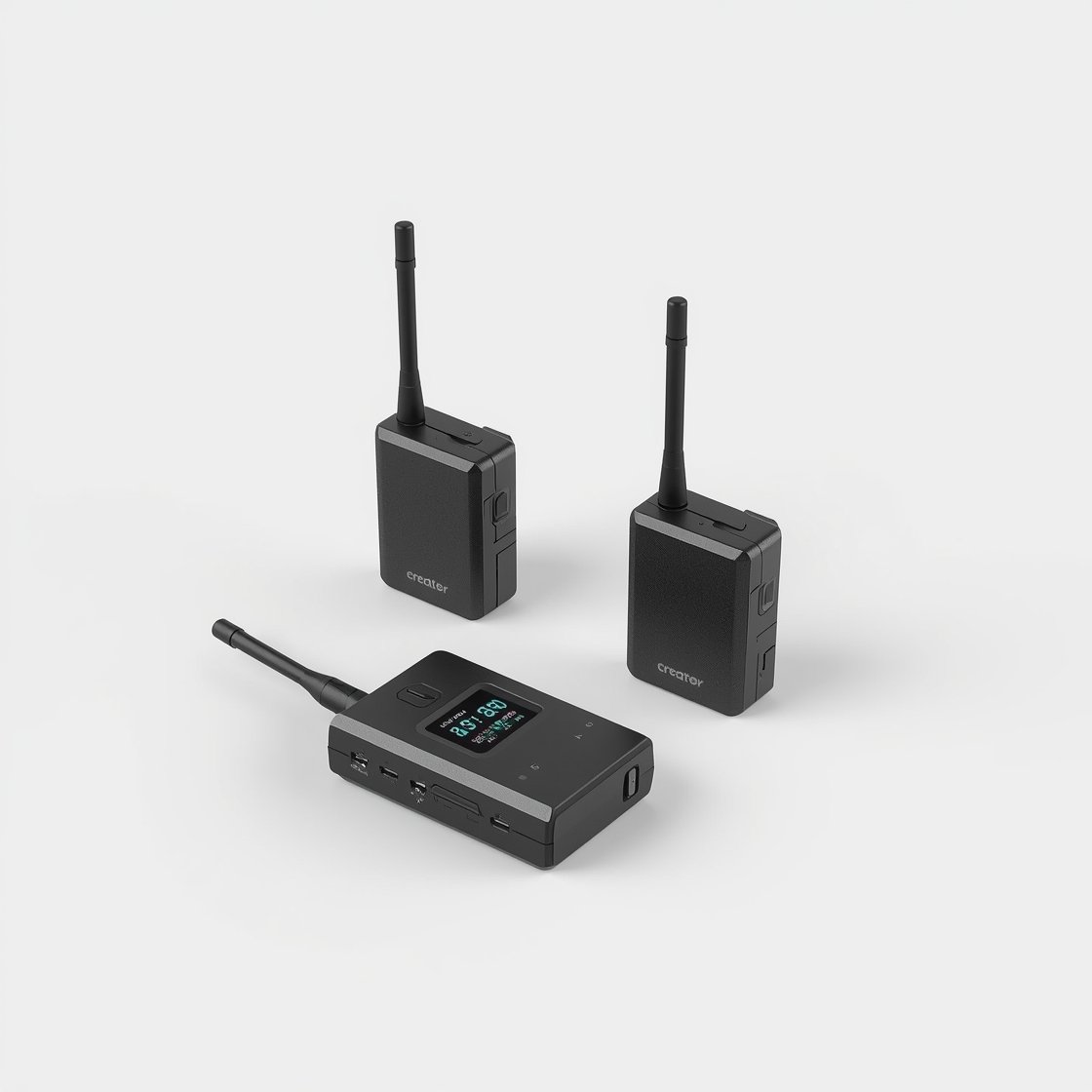
If you are filming, streaming, or podcasting rather than performing, the Wireless GO III (~$299) is the system to buy. It delivers professional-grade portable wireless audio in a package small enough to clip anywhere, and it works cleanly across cameras, phones, and computers.
The transmitters double as on-board recorders, capturing a backup track internally so a dropout never costs you the take, and 32-bit float recording means clipping is effectively impossible. Reviewers repeatedly single out that backup as the feature that rescues a take when a 2.4GHz link stutters near a router. Two transmitters and one receiver come in the kit, so you can mic two people out of the box.
It is the creator’s default for good reason: dependable, tiny, and genuinely plug-and-play.
Who should buy it: YouTubers, streamers, podcasters, and anyone recording dialogue on the move.
Watch out for: 2.4GHz, so very congested venues can be trickier than UHF.
RØDE Wireless GO III
Tiny clip-on transmitters with 32-bit float on-board backup recording: the creator’s plug-and-play standard.
Check Price on Amazon3. DJI Mic 2: Best Dual-Person
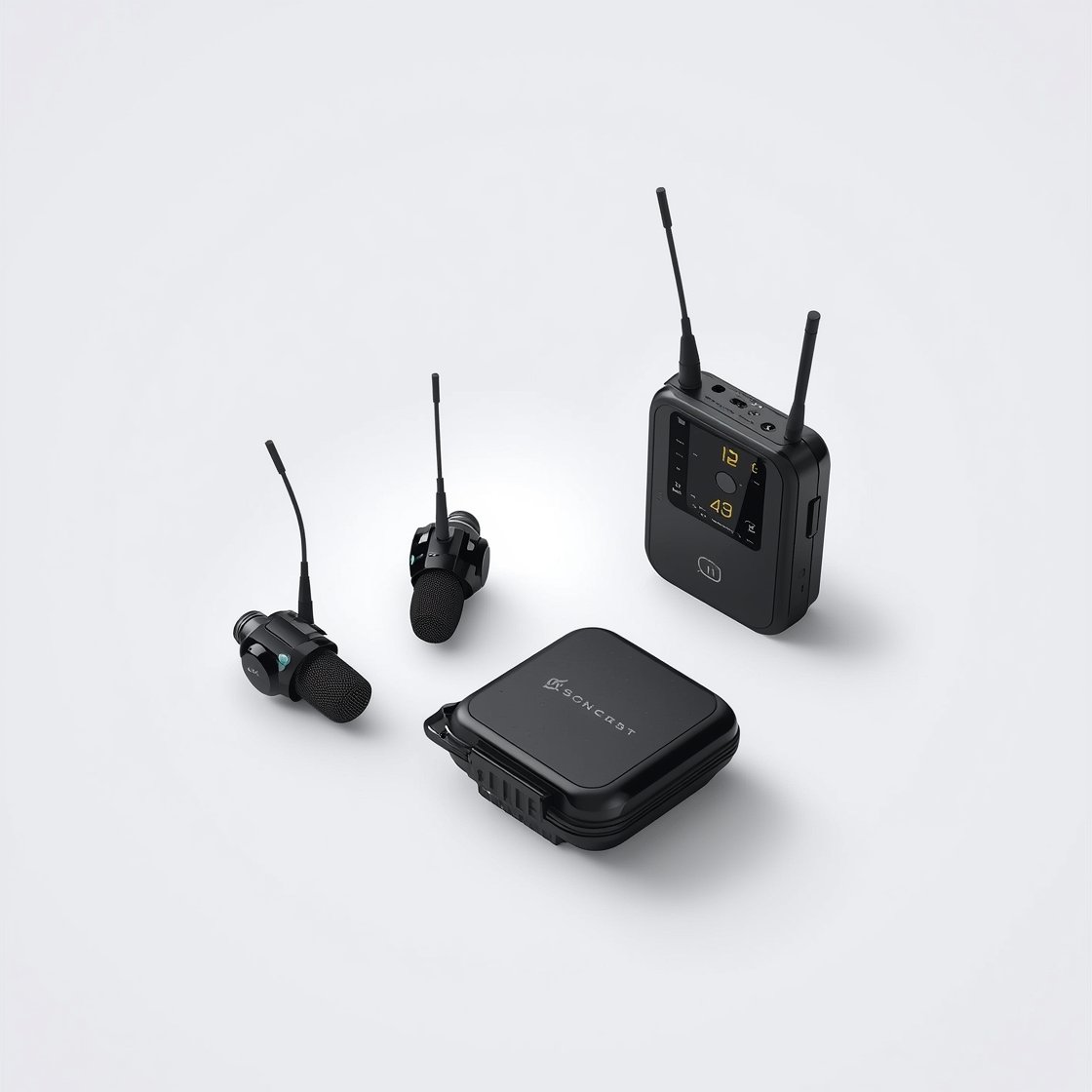
The DJI Mic 2 (~$349) sets the bar for all-around wireless audio, combining professional 32-bit float internal recording with intelligent noise cancelling and a genuinely excellent user experience.
The kit gives you two transmitters, a touchscreen receiver, and a charging case that keeps everything topped up, so you can mic two people for an interview straight out of the bag. Magnetic mounts make clipping to clothing fast and secure, and reviewers consistently report that the AI noise reduction handles noisy outdoor environments impressively well.
For two-person interviews, podcasts, and run-and-gun video, it is the most complete package here.
Who should buy it: interviewers, two-person podcasts, and video creators who shoot in noisy places.
Watch out for: designed for spoken word and video, not live stage vocals.
DJI Mic 2
Two transmitters, 32-bit float recording, AI noise cancelling, and a charging case: the most complete interview kit.
Check Price on Amazon4. Sennheiser XSW-D Vocal Set: Simplest Setup
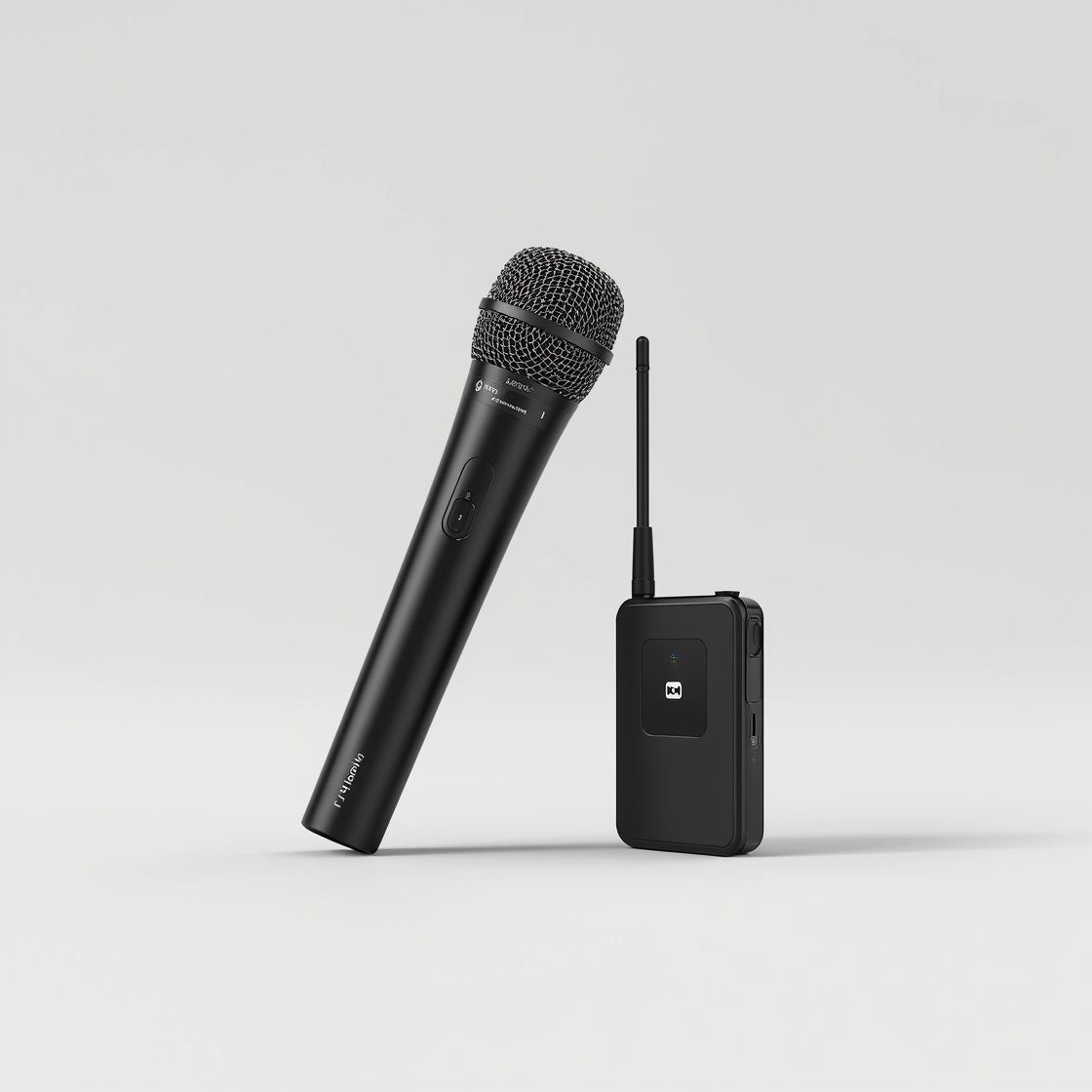
The XSW-D Vocal Set (~$379) is the answer if you want Sennheiser audio quality with zero configuration. It is a mid-range digital system with 2.4GHz transmission and sophisticated frequency hopping, and an interface so simple it is genuinely a single button, press to pair, and you are working.
Audio is a proper 24-bit/48kHz digital signal, so quality is professional rather than merely acceptable, and the frequency hopping deals with interference automatically without you touching a menu.
The plug-on transmitter design also means you can attach it to a mic you already own, useful if you have a favourite capsule.
Who should buy it: performers who want great sound and refuse to fiddle with frequency settings.
Watch out for: 2.4GHz shares space with WiFi; pricier than the Shure BLX.
Sennheiser XSW-D Vocal Set
24-bit/48kHz digital audio with automatic frequency hopping and true one-button operation: Sennheiser quality, zero setup.
Check Price on Amazon5. Audio-Technica ATW-1102: Best Battery Life
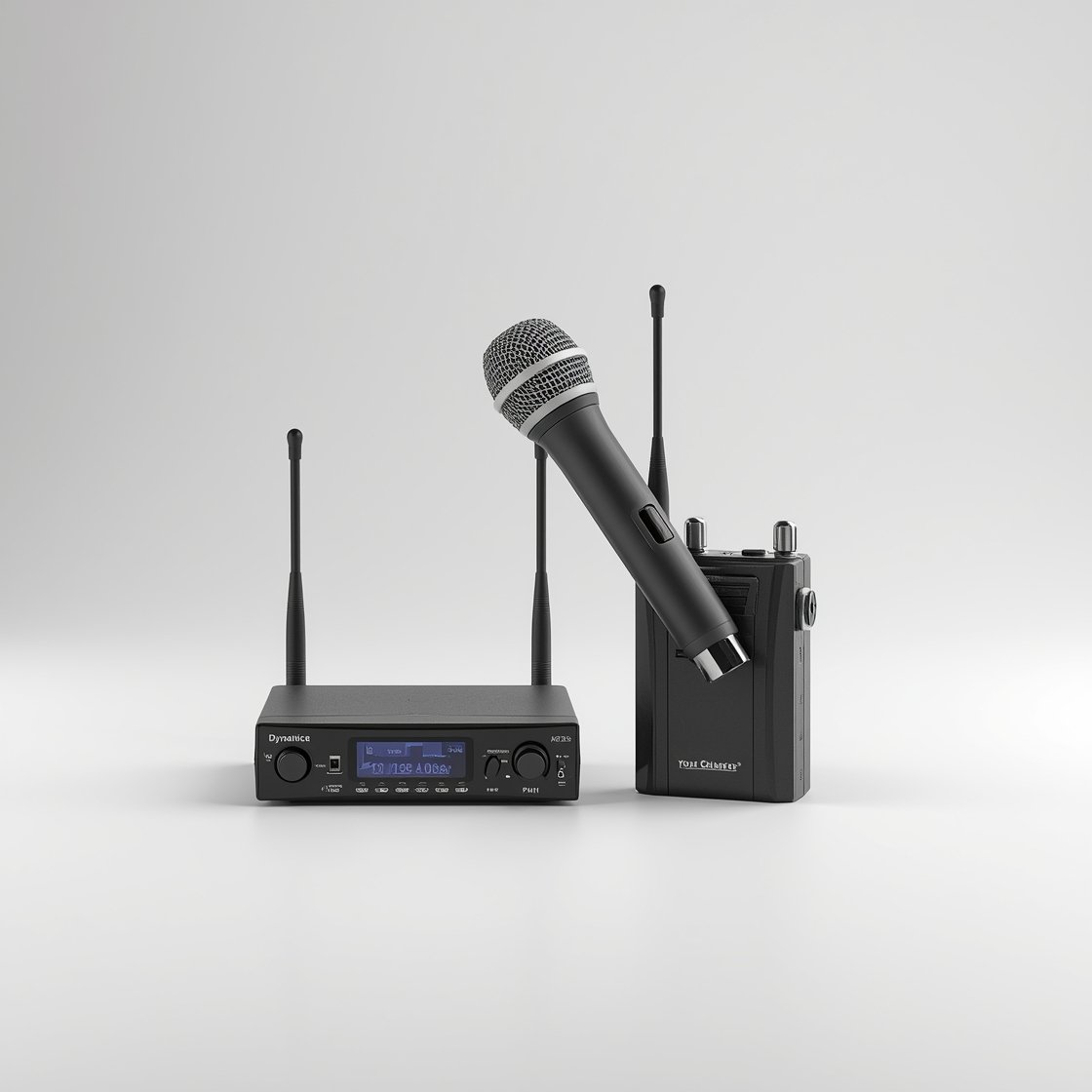
The ATW-1102 (~$349) is the workhorse pick, and its headline is endurance: roughly 16 hours of battery life, enough for the longest event day without a mid-show swap.
It pairs that with automatic frequency selection and True Diversity reception, which uses multiple antennas and receivers to eliminate dropouts as the performer moves, a meaningful reliability upgrade over single-antenna systems at this price. The build is robust and gig-ready.
If you run long events, conferences, or all-day worship services, this is the practical choice.
Who should buy it: event and conference operators, worship teams, and anyone running long days.
Watch out for: 2.4GHz band; sound is clean but less characterful than Shure or Sennheiser.
Audio-Technica ATW-1102
About 16 hours of battery plus True Diversity reception to eliminate dropouts: the all-day event workhorse.
Check Price on Amazon6. Shure GLXD24+/SM58: Best Premium
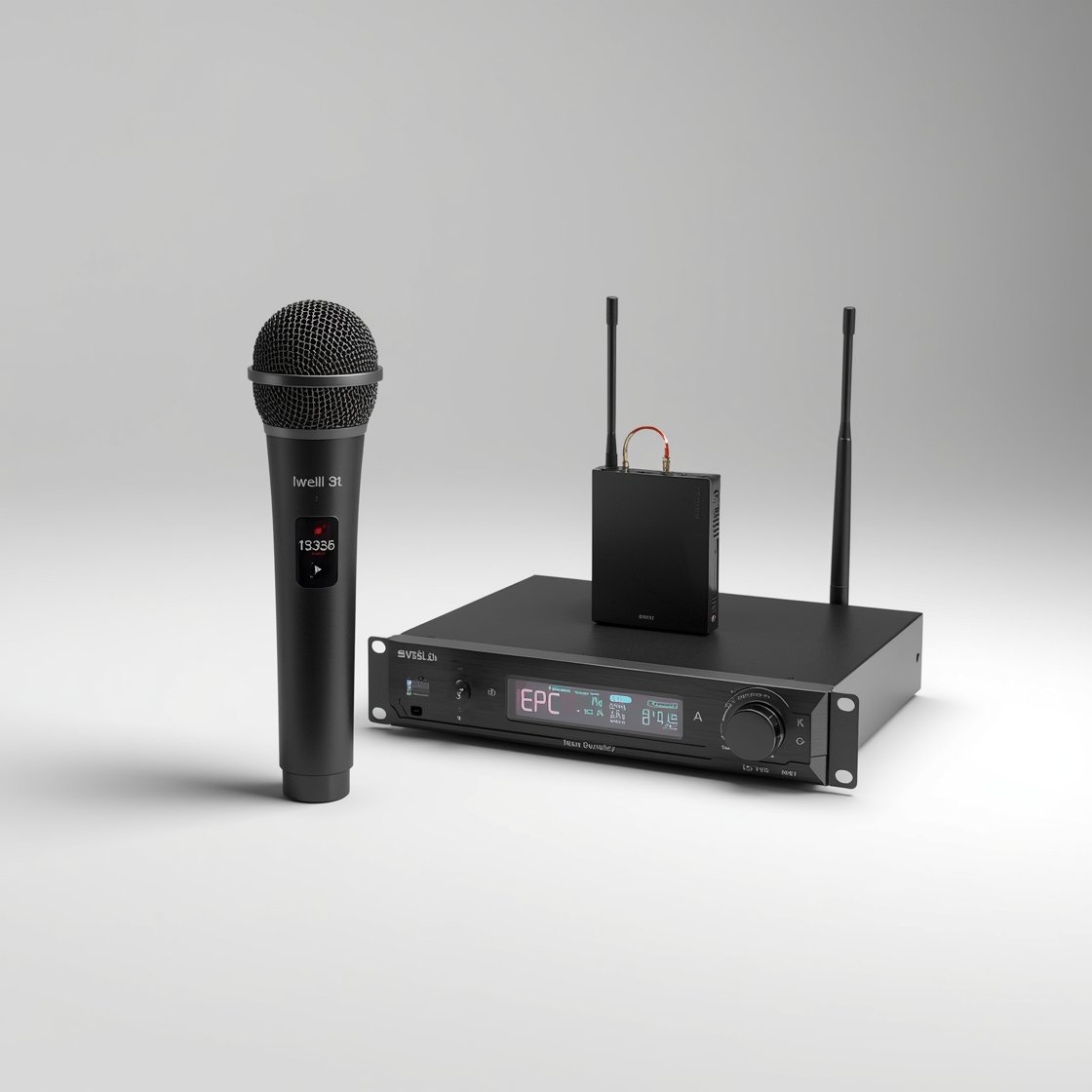
The GLXD24+ (~$699) is the step up for serious performers, and it pairs the legendary SM58 capsule, the most trusted live vocal mic ever made, with Shure’s advanced digital wireless.
The “+” designation means dual-band operation across 2.4GHz and 5.8GHz, which dramatically improves reliability in RF-crowded venues by giving the system twice the spectrum to escape into. It also uses rechargeable lithium-ion batteries with fast charging rather than disposable AAs.
If you gig regularly, sing through a system nightly, or work venues where wireless is contested, the reliability and sound justify the price.
Who should buy it: gigging vocalists and pros who need maximum reliability and the SM58 sound.
Watch out for: more than twice the price of the BLX; overkill for occasional use.
Shure GLXD24+/SM58
The legendary SM58 capsule plus dual-band 2.4 and 5.8GHz digital wireless and rechargeable batteries: maximum reliability.
Check Price on Amazon7. Phenyx Pro PTU-52: Best Budget Dual
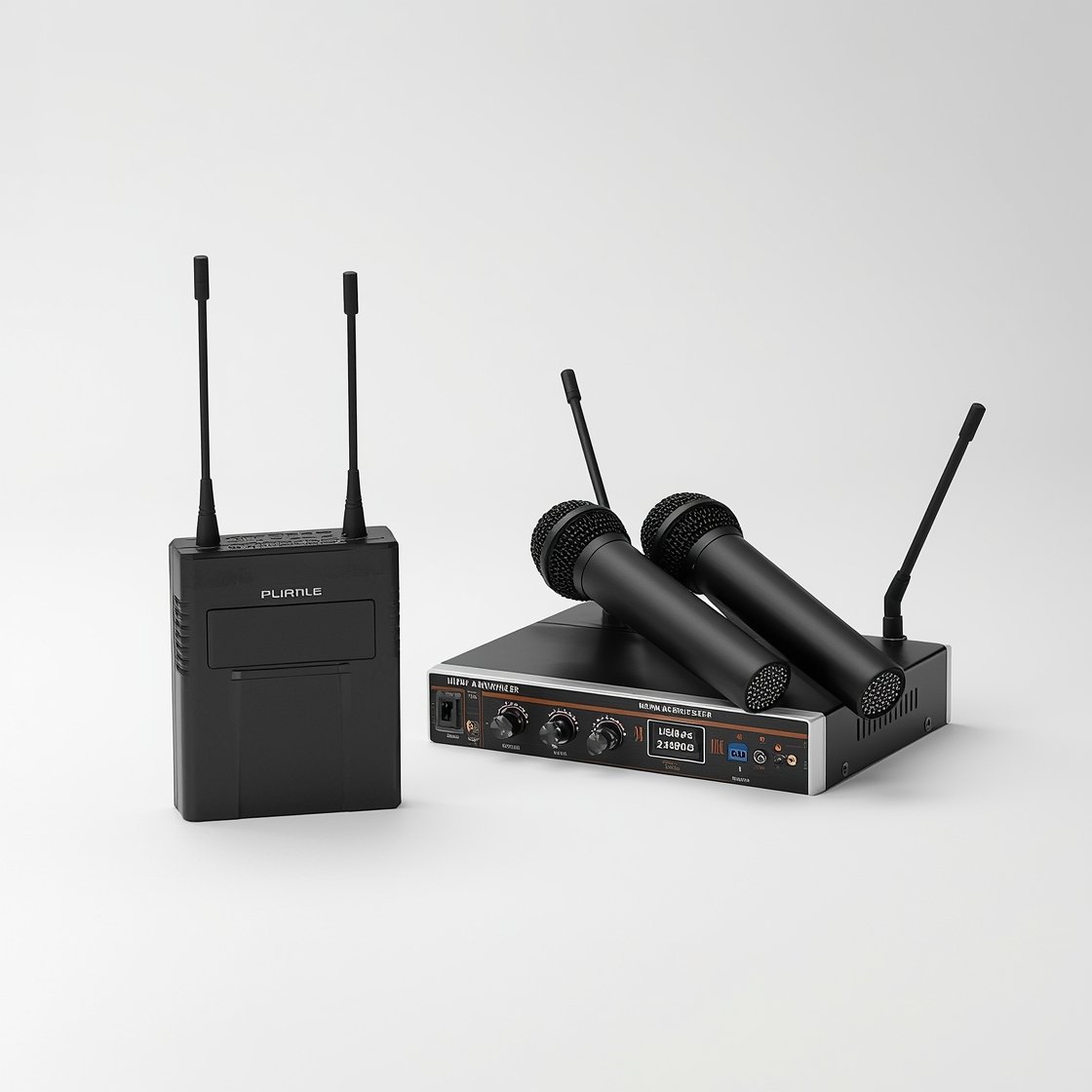
The Phenyx Pro PTU-52 (~$139) is the accessible route to a dependable two-person setup. You get two handheld microphones and a receiver with tunable frequencies, letting you dial around interference rather than being stuck on fixed channels, which is unusual at this price.
For karaoke, small events, school productions, community halls, or a band that needs two vocal mics without a professional budget, it does the job with sound quality that comfortably exceeds its price.
It will not match Shure or Sennheiser on build or capsule quality, and range is more modest. But as an affordable dual-channel system, it is the sensible pick.
Who should buy it: budget buyers, karaoke, schools, and small events needing two mics.
Watch out for: build and capsules are budget-grade; shorter reliable range.
Phenyx Pro PTU-52
Two handheld mics and tunable frequencies for around $139: the accessible route to a dependable two-person setup.
Check Price on AmazonHow to Choose a Wireless Microphone System
Pick the right microphone type
Handheld systems suit singers, presenters, and anyone comfortable holding a mic, they are the standard for live vocals. Lavalier (clip-on) systems free your hands and stay out of frame, ideal for video, presenting, and theatre. Headset systems keep a consistent distance from your mouth while you move, favoured by fitness instructors and performers who dance. Instrument systems use a bodypack to cut the cable on a guitar or bass.
UHF vs 2.4GHz: the most important technical choice
UHF systems (like the Shure BLX) operate on dedicated broadcast frequencies. They generally offer longer range and better penetration, and crucially they do not compete with WiFi, which makes them more dependable in busy venues. 2.4GHz systems (RØDE, DJI, Sennheiser XSW-D) are simpler and often auto-configure, but share space with every WiFi network and phone in the room. For professional stage use, favour UHF; for creator and small-venue use, 2.4GHz is usually fine.
Range and line of sight
Most systems quote 100 to 300 feet, but that assumes line of sight. Walls, bodies, and metal structures cut range significantly. Buy more range than you think you need, and position the receiver where it can actually see the transmitter.
Battery life and power
Check whether the system uses disposable AAs or rechargeable packs. Rechargeables (Shure GLXD24+) save money and waste over time and usually report exact remaining time; AAs are easier to replace mid-gig if you carry spares. Either way, look for at least 8 hours, and 16 hours (Audio-Technica ATW-1102) if you run long events.
Number of channels
One transmitter and receiver covers a solo performer. If you need two vocalists, an interview, or a band, buy a dual-channel system (Phenyx Pro, DJI Mic 2) rather than two single systems, it is cheaper and avoids frequency conflicts. Larger setups need systems that can run many compatible channels simultaneously.
Match the output to your gear
Check the receiver’s output before you buy. Stage systems output XLR for mixers and PA; creator systems output 3.5mm or USB-C for cameras and phones. If you are recording to a computer, make sure it works with your audio interface, and monitor with closed-back headphones to catch dropouts as they happen.
Frequently Asked Questions
What is the best wireless microphone system in 2026?
Is UHF or 2.4GHz better for wireless microphones?
What range do wireless microphones have?
Handheld or lavalier wireless microphone, which should I choose?
Can you use a wireless microphone for recording music?
How many channels do I need in a wireless mic system?
The Bottom Line
The Shure BLX24/PG58 is the best wireless microphone system for most performers in 2026: professional sound, rugged build, and UHF reliability at a price working musicians can justify. If you create content rather than perform, the RØDE Wireless GO III is the plug-and-play standard and the DJI Mic 2 is the best two-person kit. On a budget, the Phenyx Pro PTU-52 gets you two dependable mics for ~$139.
Decide on microphone type first, then frequency band, then channels. Get those three right and everything else is refinement.
To complete your setup, see our guides to the best audio interface, best studio monitors, and the complete home studio setup guide.